Electrical Installation Certificate London: What It Is and When You Need One
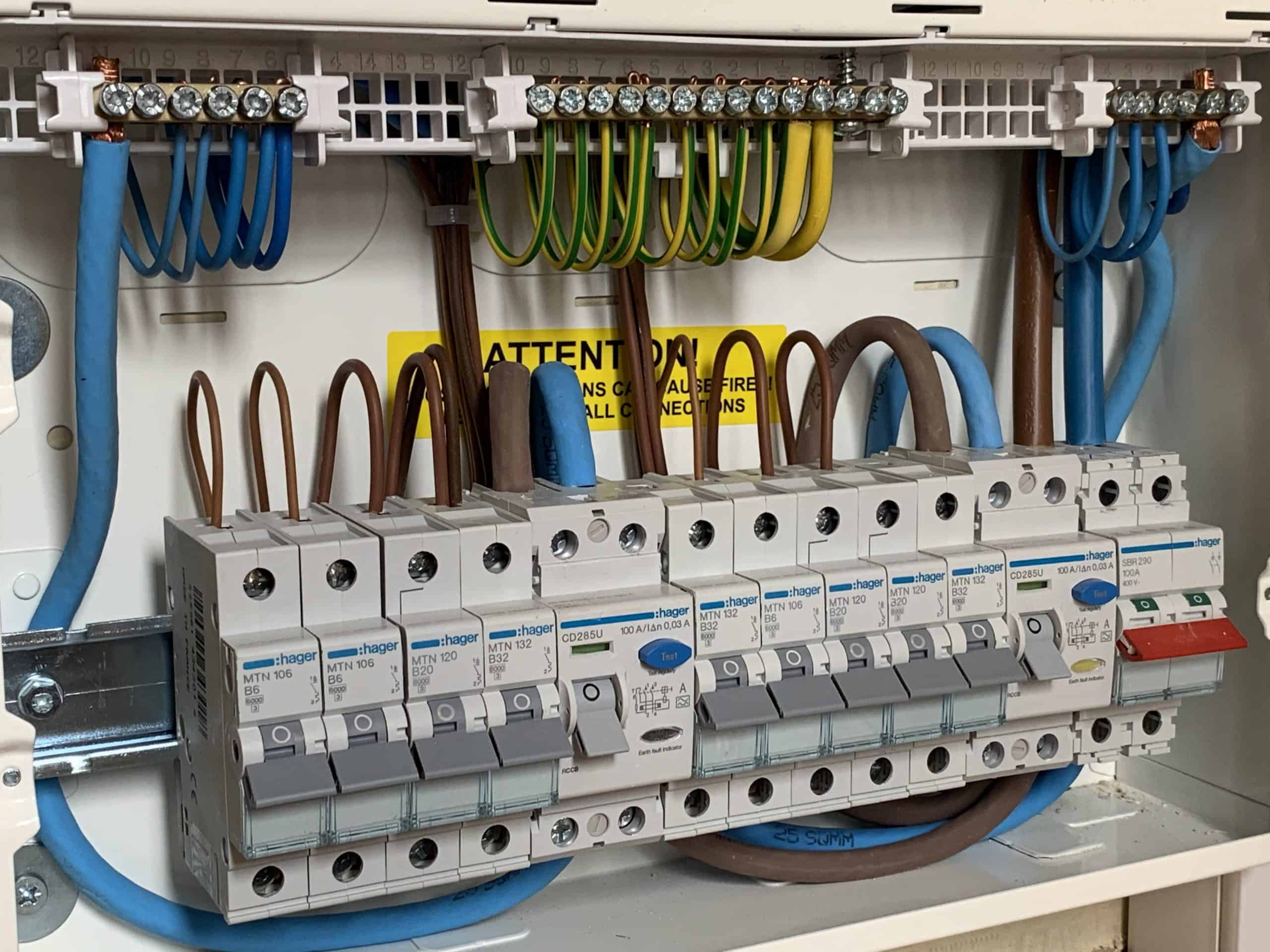
An Electrical Installation Certificate (EIC) is issued when new electrical work is completed in a London property. This guide explains what the certificate records, how it differs from an EICR, and when you legally need one.
What Is an Electrical Installation Certificate?
An Electrical Installation Certificate (EIC) is the formal document issued under BS 7671: Requirements for Electrical Installations (the IET Wiring Regulations) whenever a new electrical installation is designed and installed. In the context of domestic property, an EIC is issued for a full rewire, a new electrical installation in an extension, or any other work that creates a new installation or significantly extends an existing one.
The EIC is not the same as an Electrical Installation Condition Report (EICR). An EICR is issued for inspection and testing of an existing installation to assess its condition. An EIC is issued for new work to certify that the new installation has been designed, installed, inspected, and tested in compliance with BS 7671. They are separate documents with different purposes and different signatories.
What an EIC Records
The EIC is a formal multi-part document. It records the address of the installation, the date of the certificate, the name and registration number of the installing organisation and supervising engineer, and the scope of the work — which circuits are covered by the certificate.
The body of the document records the design details for each circuit: the circuit description, the cable type and cross-sectional area, the type and rating of the protective device, the type of earthing arrangement, and the design current. It then records the inspection checklist — confirming that the installation has been inspected against the requirements of BS 7671 — and the test results for each circuit, including insulation resistance, earth fault loop impedance, and RCD test results.
The EIC is signed by the designer, the installer, and the inspector and tester. In most domestic installations, all three roles are fulfilled by the same registered electrician or firm.
Part P Building Regulations Notification
In England and Wales, most electrical work in dwellings is notifiable under Part P of the Building Regulations. This means the local authority must be informed that the work has been carried out and must receive confirmation that it complies with the regulations. There are two routes to compliance.
The first route is to use a contractor registered with a government-approved competent person scheme — such as NICEIC, NAPIT, or ELECSA. A registered contractor can self-certify their work, notifying the local authority through the scheme on the homeowner behalf and issuing a Building Regulations compliance certificate. This is the standard route for domestic electrical work in London and involves no additional fee beyond the contractor charge.
The second route is to use an unregistered contractor and apply to the local authority building control for approval before the work starts. Building control will inspect the work and issue a completion certificate. This route is slower, involves a building control fee, and requires advance planning.
Prestige Engineers is NICEIC registered and handles Part P self-certification for all notifiable electrical work in London as standard. The homeowner receives both the EIC and the Building Regulations compliance certificate on completion.
When Do You Need an EIC?
You need an EIC when a new electrical installation is created. This includes a full rewire of an existing property, an electrical installation in a new extension or conservatory, a new consumer unit replacement (which is always notifiable under Part P), installation of a new circuit — for example, for an EV charger, a shower, or a cooker — and any work in a bathroom or kitchen that involves adding or modifying circuits or accessories within the relevant zones.
You do not need an EIC for like-for-like replacement of accessories such as socket faceplate replacement on an existing circuit, unless the circuit is in a kitchen or bathroom where all work is notifiable regardless.
Keeping Your EIC Safe
The EIC should be retained by the property owner permanently. It forms part of the legal and technical record of the property electrical installation and will be requested when the property is sold. Mortgage lenders and conveyancing solicitors routinely ask for electrical certificates for any work carried out since the previous full inspection. A missing EIC for a rewire or new circuit may cause delays or complications at the point of sale.
If you have lost your EIC, a replacement can sometimes be issued by the original installer. If the original installer is no longer traceable, the only option is to commission a new EICR of the installation and a Minor Works Electrical Installation Certificate for any specific circuits where the original EIC is missing. Contact Prestige Engineers for EICR and EIC services across all London boroughs.