Smart Thermostats in Rental Properties: What London Landlords Need to Know
Smart thermostats can reduce energy bills and improve tenant satisfaction, but London landlords must understand their legal obligations before installing them. From Gas Safe requirements to what tenants are permitted to adjust, the compliance picture is more involved than most landlords expect. This guide covers the key issues for rental properties across London's boroughs.
Smart thermostats — devices such as the Nest Learning Thermostat, Hive Active Heating and Honeywell Home T6R — have become increasingly common in London rental properties. They promise lower energy costs, remote control via smartphone and compatibility with modern condensing boilers. For landlords, they also introduce a set of compliance questions that deserve careful attention before any installation takes place.
Who Owns the Heating Controls?
In a rental property, the heating system — including its controls — remains the landlord's responsibility under the Landlord and Tenant Act 1985. This means a smart thermostat installed by the landlord is a landlord fixture, not tenant equipment. Tenants may use it, but they cannot remove it, replace it or tamper with its wiring without the landlord's written consent.
Conversely, if a tenant installs their own smart thermostat without permission, the landlord is not obligated to maintain it, and the tenant may be liable for any wiring changes made without consent. It is good practice to address heating controls explicitly in the tenancy agreement.
Gas Safe and Boiler Compatibility
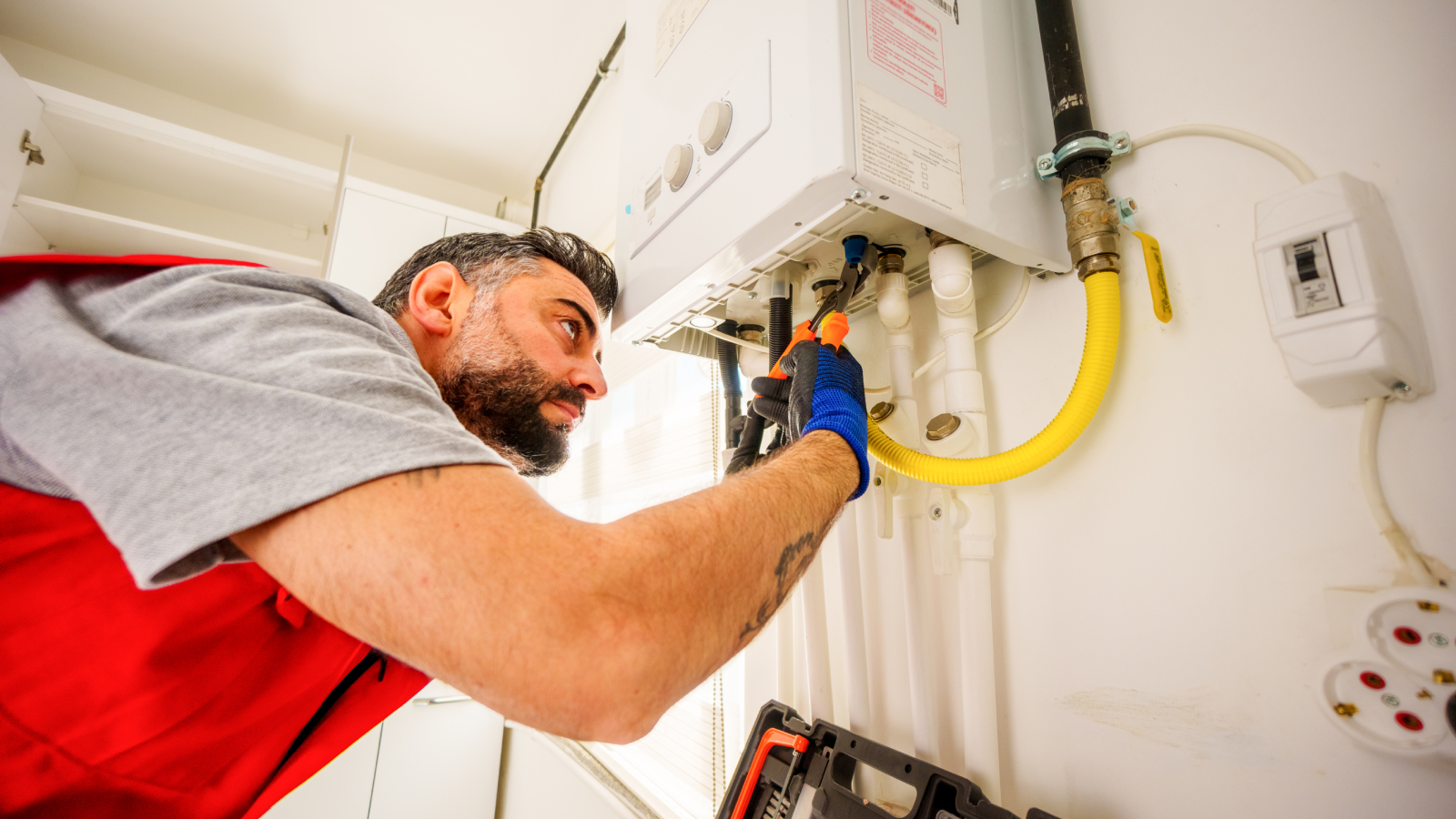
Smart thermostats connect to the boiler's wiring centre and, in some cases, use OpenTherm or similar communication protocols that modulate boiler output. Any work that involves connecting or disconnecting wiring at the boiler must be carried out by a Gas Safe registered engineer. This is not optional — it is a legal requirement under the Gas Safety (Installation and Use) Regulations 1998.
Before purchasing a smart thermostat, confirm compatibility with the installed boiler. Older boilers common in Victorian conversions across Islington, Hackney and Lambeth may use two-wire or three-wire configurations that require adapter kits. Some combination boilers and system boilers require a hot water control module as a separate component. A Gas Safe engineer can assess compatibility during a pre-installation survey.
Impact on Annual Gas Safety Inspections
Landlords in England are legally required to arrange an annual Gas Safety inspection by a Gas Safe registered engineer and to provide tenants with a copy of the Gas Safety Record (CP12) within 28 days of the check. Smart thermostats do not change this obligation, but they do affect what the engineer will inspect.
During an inspection, the engineer will verify that the boiler's controls — including any smart thermostat — are functioning correctly and that the installation is safe. If the wiring has been modified by someone who is not Gas Safe registered, the engineer is obliged to note this and may issue an Immediately Dangerous (ID) or At Risk (AR) warning. A non-compliant installation can invalidate the gas safety record and, in the worst case, void the landlord's buildings insurance.
EICR Compliance and Low-Voltage Wiring
Since 1 April 2021, landlords in England must hold a valid Electrical Installation Condition Report (EICR) for all rental properties. Smart thermostats involve low-voltage wiring — typically 24V or mains voltage relay connections — and any permanent wiring changes must be carried out by a qualified electrician and may require notification to building control depending on the scope of work.
For most smart thermostat installations, the wiring falls within the scope of Part P of the Building Regulations. A competent installer who is registered with a Part P competent person scheme (such as NICEIC or NAPIT) can self-certify the work without a separate building control application. This is particularly relevant in London boroughs that operate additional licensing schemes, where property compliance records are subject to closer scrutiny.
What Tenants Can and Cannot Change
Tenants are generally permitted to adjust the settings on a smart thermostat — scheduling, temperature targets, away modes — as part of their day-to-day use of the property. However, the following actions require the landlord's written consent:
- Removing the thermostat from the wall and disconnecting the wiring
- Replacing the thermostat with a different model
- Resetting the device to factory settings and relinking it to a different account
- Installing additional smart heating components (TRV heads, bridge devices) that connect to the boiler
Landlords should also consider account ownership. Smart thermostats are linked to an app account. If the account is registered in the tenant's name, the landlord loses remote access and may struggle to retrieve device history if a dispute arises. Best practice is to register the device to a dedicated landlord account and grant the tenant access as a secondary user.
Selective and Additional Licensing Considerations
A growing number of London boroughs — including Newham, Tower Hamlets, Southwark and Brent — operate selective or additional licensing schemes for privately rented properties. These schemes often require evidence that the property meets specific standards for heating controls and energy efficiency. A smart thermostat with programmable scheduling can contribute positively to a licensing application by demonstrating that tenants have adequate control over their heating environment, which aligns with the Minimum Energy Efficiency Standards (MEES) requirements under the Energy Efficiency (Private Rented Property) (England and Wales) Regulations 2015.
Practical Steps Before Installation
- Confirm boiler compatibility with a Gas Safe engineer before purchasing the device
- Use a Gas Safe registered engineer for all boiler wiring connections
- Use a Part P registered electrician if mains voltage wiring is involved
- Register the device to a landlord-controlled account and document this in writing
- Update the tenancy agreement to clarify the tenant's permitted use of heating controls
- Inform your letting agent so the installation is noted in the property management record
Smart heating controls are a sensible investment for London rental properties when installed correctly. The compliance requirements are manageable, but they must be followed precisely. An incorrectly installed thermostat can create liability under gas safety law, invalidate an EICR, or trigger issues during a borough licensing inspection — all of which cost significantly more to resolve than a properly managed installation from the outset.
Frequently asked questions
Do I need a Gas Safe engineer to install a smart thermostat in my rental property?
Yes, if the installation involves connecting or disconnecting wiring at the boiler, the work must be carried out by a Gas Safe registered engineer. This is a legal requirement under the Gas Safety (Installation and Use) Regulations 1998, regardless of the thermostat brand or model.
Can my tenant remove the smart thermostat I installed?
No. A smart thermostat installed by the landlord is a landlord fixture and tenants cannot remove, replace or rewire it without written consent. You should state this clearly in the tenancy agreement and register the device to a landlord-controlled account to retain access between tenancies.
Will a smart thermostat affect my annual Gas Safety inspection (CP12)?
The annual Gas Safety inspection requirement is unchanged, but the engineer will check that the thermostat installation is safe and was carried out by a Gas Safe registered engineer. Wiring work done by an unregistered person can result in an Immediately Dangerous or At Risk notice and may invalidate your Gas Safety Record.
Does installing a smart thermostat require an EICR update or building regulations notification?
Smart thermostat wiring changes may fall within Part P of the Building Regulations. If the installer is registered with a competent person scheme such as NICEIC or NAPIT they can self-certify the work without a separate building control application. If your existing EICR is close to its five-year expiry, it is worth scheduling both works together to reduce costs.