The Electrical Safety Standards in the Private Rented Sector (England) Regulations 2020 require all private landlords to hold a valid EICR. Here is what the law requires and what happens when one fails.
Since 1 April 2021, all private landlords in England have been required to hold a valid Electrical Installation Condition Report (EICR) for their rental properties. The requirement stems from the Electrical Safety Standards in the Private Rented Sector (England) Regulations 2020, and non-compliance can result in enforcement notices and substantial fines from local authorities.
What is an EICR?
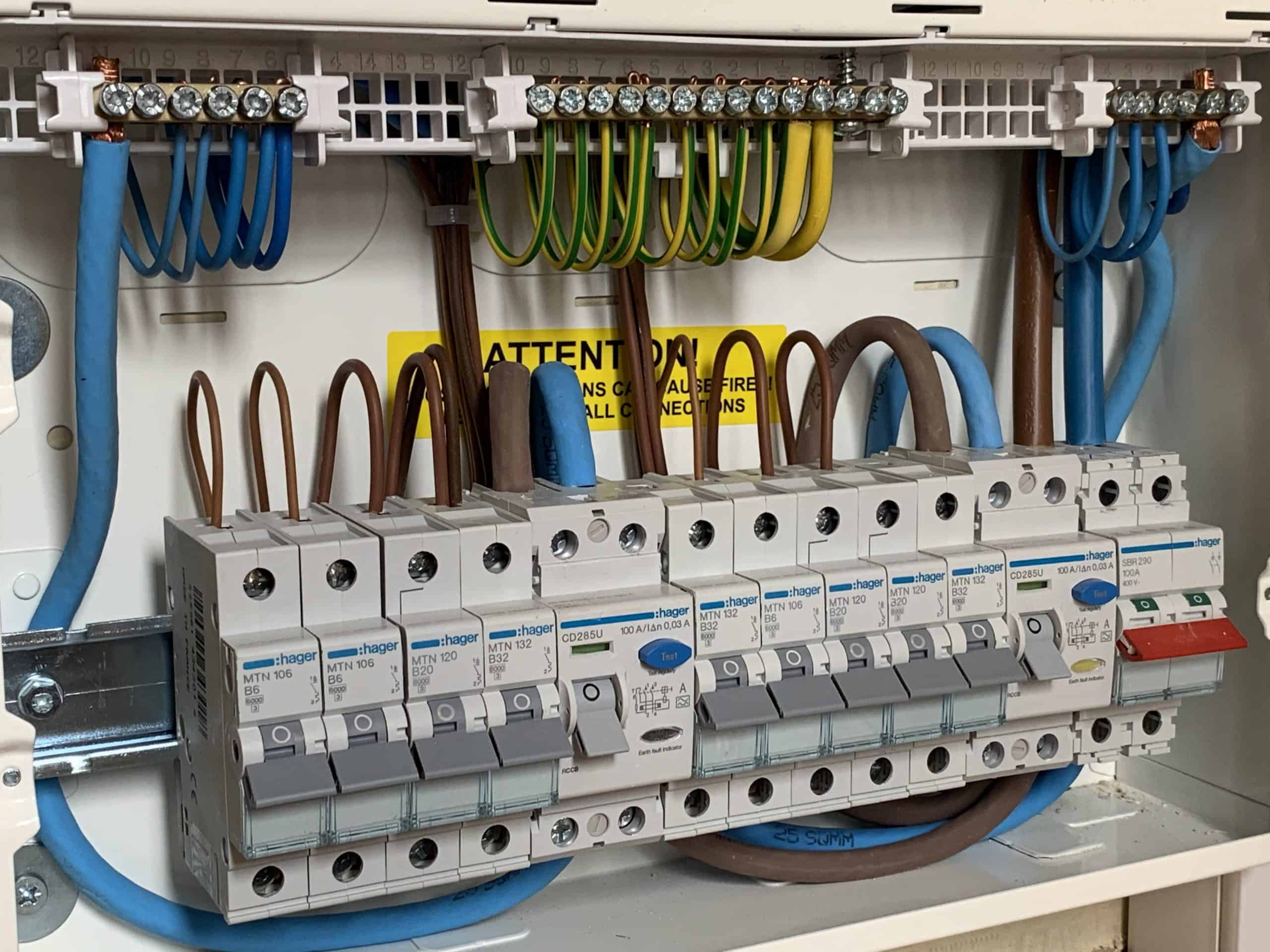
An EICR is a formal assessment of the electrical installation in a property — the wiring, consumer unit (fuse board), sockets, light fittings and any fixed electrical equipment. A qualified electrician inspects the installation and assigns condition codes to any items that require attention. The report confirms whether the installation is Satisfactory or Unsatisfactory for continued use.
What does the 2020 Regulation require?
Under Regulation 3 of the Electrical Safety Standards in the Private Rented Sector (England) Regulations 2020, landlords must:
- Ensure the electrical installation is inspected and tested at intervals of no more than 5 years, or at the start of a new tenancy if the existing EICR has expired
- Obtain a written report (the EICR) produced by a qualified electrician
- Provide a copy to existing tenants within 28 days of the inspection
- Provide a copy to new tenants before they occupy the property
- Provide a copy to the local authority within 7 days if requested
- Retain a copy until the next inspection
Understanding EICR condition codes
The EICR assigns condition codes to any observations the electrician identifies:
- C1 — Danger present. Immediate action required. The installation presents a risk of injury. A C1 code means the EICR is Unsatisfactory and remedial work must be completed before the property can be let.
- C2 — Potentially dangerous. Urgent remedial action required. The installation has a fault that could become dangerous. A C2 code also results in an Unsatisfactory outcome. Remedial work should be completed within 28 days.
- C3 — Improvement recommended. The installation is not dangerous but could be improved. A C3 alone does not make the EICR Unsatisfactory, but landlords should consider the recommended improvements.
- FI — Further investigation required. The electrician cannot fully assess a part of the installation without further work. An FI requires follow-up investigation.
What happens if the EICR is unsatisfactory?
If the EICR returns a C1 or C2 code, landlords must arrange and complete the required remedial work within 28 days (or sooner if the report states a shorter timeframe). Once the work is done, a completion certificate or updated report confirming the remedial work is required. The landlord must provide this to the tenant and, if requested, to the local authority.
What are the penalties for non-compliance?
Local authorities can impose financial penalties of up to £30,000 per breach of the EICR regulations. They can also carry out remedial works themselves and recover the costs from the landlord.
Do HMOs have stricter requirements?
HMO properties are also subject to the 2020 Regulations, but some London boroughs require more frequent inspection cycles under their additional and selective licensing schemes. Always check the specific conditions attached to your HMO licence.
Frequently asked questions
How often does a landlord need an EICR?
At least every 5 years, or at the start of a new tenancy if the existing EICR has expired. Some HMO licences require more frequent inspections.
What is the difference between C1 and C2 on an EICR?
C1 means danger is present and immediate action is required. C2 means a potentially dangerous condition exists and urgent remedial work is needed. Both result in an Unsatisfactory EICR outcome.
Can a tenant refuse an EICR inspection?
Landlords can apply to a First-tier Tribunal if a tenant unreasonably refuses access. Document all attempts to arrange access before doing so.
Does an EICR cover PAT testing?
No. The EICR covers the fixed electrical installation only. PAT testing covers portable electrical appliances provided by the landlord and is separate.