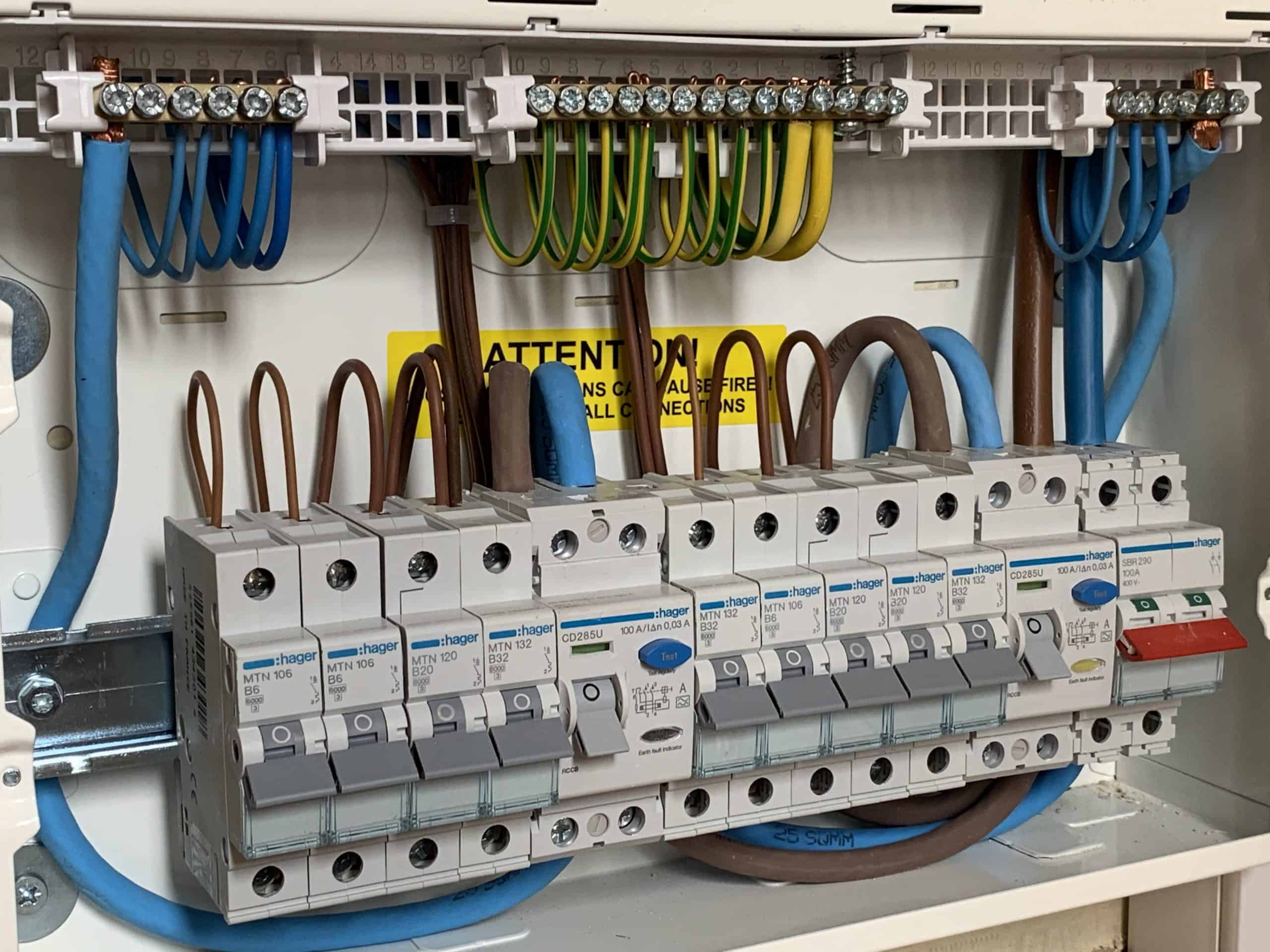
PAT testing is widely misunderstood by London landlords. It is not a statutory requirement in the same way as a gas safety certificate — but landlords who provide electrical appliances have a duty to ensure they are safe.
Portable Appliance Testing (PAT) is the inspection and electrical testing of portable electrical appliances — white goods, televisions, kettles, desk lamps and any other plug-in electrical equipment provided by a landlord as part of the let. Despite widespread belief that PAT testing is a legal requirement for landlords, there is no legislation that specifically mandates annual PAT testing of rental property appliances. However, landlords who provide electrical appliances do have a clear duty of care under general health and safety legislation.
What does the law actually require?
The Landlord and Tenant Act 1985 requires landlords to keep the electrical installations in a rental property in repair and proper working order. The Electrical Equipment (Safety) Regulations 2016 require that any electrical equipment placed on the market is safe. For landlords, the relevant standard is whether appliances provided for tenants' use are safe and fit for purpose — not whether a specific annual PAT test has been conducted.
When should landlords commission PAT testing?
While annual PAT testing is not mandated, it is widely accepted as good practice and provides documented evidence that a landlord has met their duty to ensure provided appliances are safe. PAT testing is particularly advisable:
- At the start of a new tenancy, before new tenants move in
- After any appliance has been repaired or modified
- When an appliance shows signs of wear, damage or electrical problems
- For HMOs, where the duty of care is higher and the use of appliances is more intensive
- For furnished lets where multiple appliances are provided
What does PAT testing involve?
PAT testing involves both a visual inspection and an electrical test using specialist equipment. The tester checks for:
- Damage to cables, plugs and casings
- Correct fuse rating
- Earth continuity (for class 1 appliances)
- Insulation resistance
- Polarity where applicable
Each appliance receives a pass or fail label, and a test record is produced. Failed appliances should be removed from use immediately.
Who can carry out PAT testing?
PAT testing does not require a fully qualified electrician — it can be carried out by a competent person trained in the use of PAT testing equipment. However, for the test to provide meaningful evidence of safety, the tester should be properly trained and the test record should be documented. For landlords, using a registered electrical contractor who can provide a proper written record is the most defensible approach.
Frequently asked questions
Is PAT testing a legal requirement for landlords?
There is no law specifically requiring annual PAT testing. However, landlords who provide electrical appliances have a duty to ensure they are safe for use. PAT testing is widely recommended as evidence of meeting that duty.
How much does PAT testing cost for a rental property?
Typically £1–£3 per appliance, with a minimum call-out charge. For a furnished flat with 10–15 appliances, expect to pay £50–£100.
Does PAT testing cover the fixed electrical installation?
No — PAT testing covers portable appliances only. The fixed electrical installation (wiring, consumer unit, sockets) is covered by the EICR.
How often should landlords do PAT testing?
There is no legally specified frequency. Most landlords carry out PAT testing at the start of each new tenancy. Annual testing is common for HMOs and for properties with a large number of provided appliances.