Gas Safety Certificate for a New Tenancy in London: What Landlords Must Do
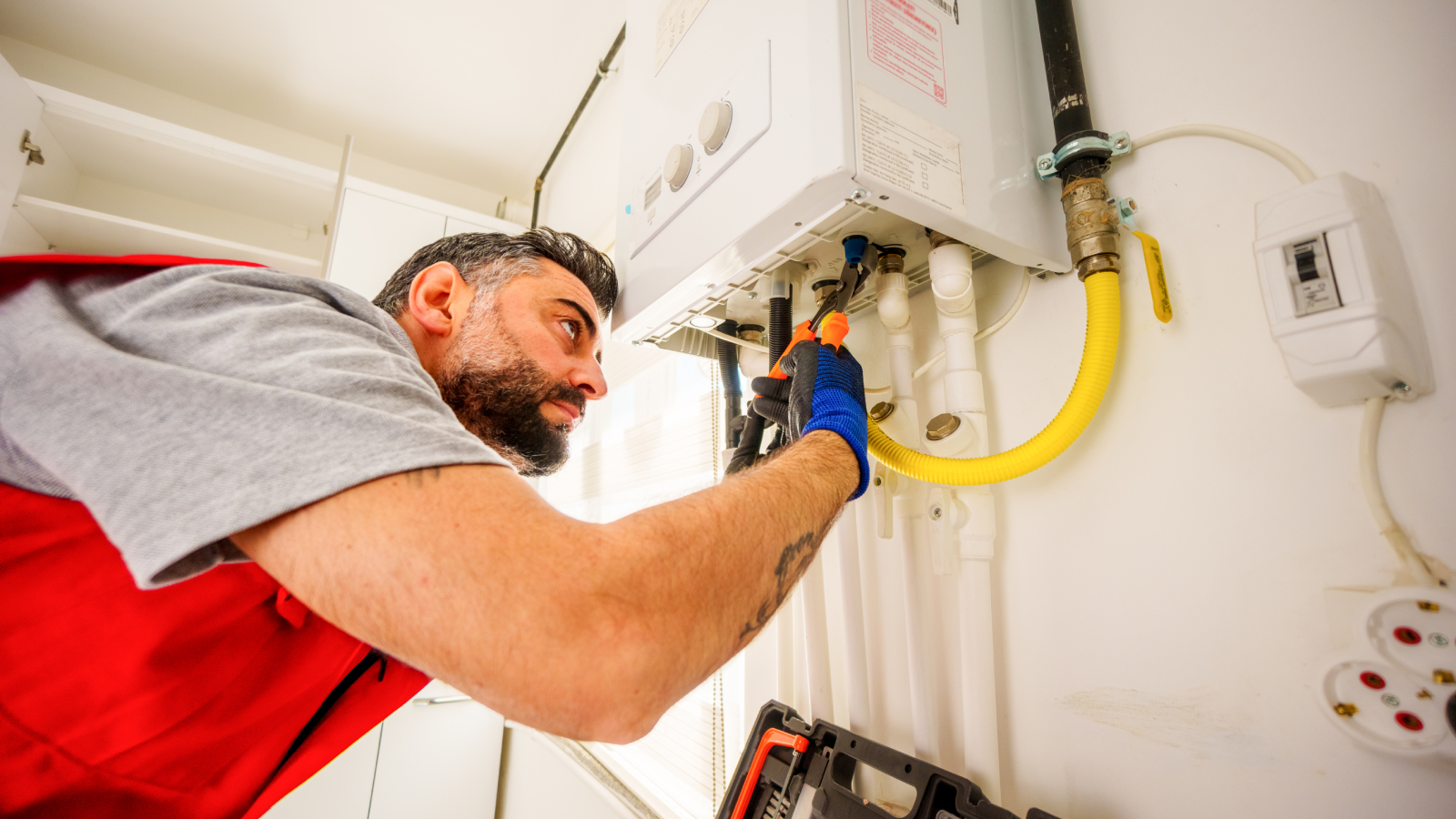
Before a new tenancy begins in a London property with any gas appliances, the landlord must hold a valid Gas Safety Record (CP12) and provide a copy to the new tenant. This legal obligation under the Gas Safety (Installation and Use) Regulations 1998 is frequently misunderstood — many landlords are unaware that the certificate must be issued before the tenant moves in, not within the standard 28-day window that applies to existing tenancies.
The Legal Requirement for New Tenancies
The Gas Safety (Installation and Use) Regulations 1998 impose a clear obligation on landlords: before a new tenancy commences, the landlord must ensure a valid Gas Safety Record (CP12) exists for the property and provide a copy to the incoming tenant. This requirement applies to any property that contains gas appliances installed by the landlord — including gas boilers, gas cookers, gas fires, and gas water heaters.
The key distinction between new and existing tenancies is the timing:
- For new tenancies: the CP12 must be issued to the tenant before they move in (i.e., before the commencement date of the tenancy agreement).
- For existing tenancies: the CP12 issued following an annual inspection must be provided to the tenant within 28 days of the inspection.
This is not a trivial distinction. A landlord who allows a tenancy to commence without providing a valid CP12 has committed a criminal offence under the Regulations, even if the gas appliances are in perfectly good working order. The Health and Safety Executive (HSE) enforces these Regulations directly and can prosecute without needing to demonstrate that any harm occurred.
What the CP12 Must Contain
A valid Gas Safety Record must be produced by a Gas Safe registered engineer. It is not sufficient to have an unregistered engineer or a general maintenance contractor carry out the check. The record must include:
- The address of the property inspected
- The date of the inspection
- The name, signature and Gas Safe registration number of the engineer who carried out the check
- Each gas appliance inspected, including make, model and location
- The operating pressure and the results of the safety tests carried out (flue flow, combustion analysis, ventilation)
- Any defects identified and any remedial work carried out or recommended
- Whether each appliance was found to be safe for continued use
An informal note or invoice from a gas engineer stating that the boiler has been "checked and is fine" does not constitute a valid CP12. Always obtain the formal Gas Safety Record certificate.
Validity Period and Timing
A Gas Safety Record is valid for 12 months from the date of the inspection. If your existing certificate is still within its 12-month validity period when a new tenancy begins, you are not required to carry out a new inspection — you simply need to provide a copy of the current valid certificate to the incoming tenant before they move in.
Where a certificate has recently expired — even by a few days — a new inspection must be arranged before the tenancy commences. This is a common scenario when tenancies turn over quickly and landlords or letting agents fail to track certificate expiry dates against tenancy start dates.
A practical approach for London landlords managing multiple properties is to maintain a compliance calendar that tracks CP12 expiry dates against scheduled tenancy renewals and void periods, renewing certificates proactively during voids rather than scrambling to arrange inspections at the last minute.
What Happens If an Appliance Is Found Unsafe
If the Gas Safe engineer identifies an appliance during the inspection that is Immediately Dangerous (ID) — posing an immediate risk of injury — they are obliged under their Gas Safe obligations to either disconnect the appliance or cap the gas supply to it. They should not leave a property with a live appliance that they have determined to be immediately dangerous.
An appliance classified as At Risk (AR) may be left connected but the engineer will advise the landlord in writing of the defect and the required remedial action. A tenancy should not commence with an At Risk appliance outstanding — resolving the defect and obtaining an updated certificate before the tenancy start date is the responsible and legally defensible course of action.
Providing the CP12 to the Tenant
The Regulations require the certificate to be issued to the tenant before the tenancy begins. In practice, this means it should be included with the tenancy agreement paperwork or provided at check-in. Many London letting agents include the CP12 in their standard tenancy pack alongside the EPC, the How to Rent guide, and the deposit protection information.
A landlord who cannot produce evidence that the CP12 was given to the tenant before the tenancy started — for example, an email attaching the document, a signed receipt, or a letting agent's check-in record — will face difficulty defending an enforcement notice from the HSE or a local authority.
Landlords should retain a copy of every CP12 issued for at least two years after the tenancy to which it relates ends.
Interaction With the Section 21 Notice
Following the Deregulation Act 2015 (applicable to tenancies in England granted on or after 1 October 2015), a landlord's ability to serve a valid Section 21 notice for a no-fault possession is conditional on having provided the tenant with a copy of the current EPC and the Gas Safety Record at the start of the tenancy. If the CP12 was not provided before the tenancy commenced, the landlord may not be able to remedy this retroactively for the purposes of Section 21 — courts have found that failure to provide the CP12 before the tenancy began renders a subsequent Section 21 notice invalid regardless of when the certificate is eventually handed over.
For landlords in London, where possession proceedings and rental disputes are disproportionately prevalent, this is not an academic point. Compliance at the start of a tenancy directly protects the landlord's ability to recover the property when needed.
Frequently asked questions
Does a landlord have to carry out a new gas safety inspection for every new tenancy, or is an existing certificate acceptable?
An existing Gas Safety Record that is still within its 12-month validity period is acceptable for a new tenancy — the landlord simply needs to provide a copy to the incoming tenant before the tenancy starts. A new inspection is only required if the current certificate has expired.
What is the penalty for not providing a Gas Safety Record to a new tenant in London?
Failure to provide a valid CP12 to a new tenant before the tenancy commences is a criminal offence under the Gas Safety (Installation and Use) Regulations 1998. The HSE can prosecute, and penalties include an unlimited fine or up to two years' imprisonment. It also renders any subsequent Section 21 notice invalid.
Can the landlord's own Gas Safe registered friend carry out the annual gas safety inspection?
Yes, provided the person is currently Gas Safe registered and their registration includes the appliance types they are inspecting. You can verify any engineer's current Gas Safe registration at gassaferegister.co.uk. An informally qualified person who is not currently on the Gas Safe Register cannot produce a valid CP12.
What should a landlord do if the gas safety inspection reveals a dangerous appliance just before a new tenancy starts?
The appliance must be made safe before the tenancy commences. If the engineer has classified it as Immediately Dangerous, they will disconnect it — arrange repair or replacement and a follow-up inspection before allowing the tenant to move in. Starting a tenancy with a known dangerous appliance in the property is a serious criminal risk under both the Gas Safety Regulations and the Health and Safety at Work Act 1974.