Becoming a landlord in London for the first time means navigating a dense set of legal obligations before your first tenant moves in. From annual gas safety certificates to the 2020 EICR regulations and borough-level licensing schemes, the compliance landscape can be genuinely complex. This guide sets out every key requirement in a single checklist so you know exactly what is needed and when.
Letting a property in London carries legal responsibilities that extend well beyond finding a tenant and collecting rent. Failure to comply with even one requirement can result in a civil penalty of up to £30,000, a rent repayment order, or — in serious cases — criminal prosecution. This checklist covers every statutory obligation a first-time London landlord must satisfy before and during a tenancy.
1. Gas Safety Certificate (CP12)
If your property has any gas appliances — a boiler, gas hob, or gas fire — you are legally required to have them inspected annually by a Gas Safe registered engineer. The resulting Landlord Gas Safety Record (commonly called a CP12) must be given to new tenants before they move in, and to existing tenants within 28 days of each annual inspection. You must retain records for at least two years.
London's housing stock is predominantly Victorian and Edwardian, meaning many properties have older boilers, ageing flues and pipework that can fail inspection. Budget time for remedial work before your tenancy start date. An engineer who is not on the Gas Safe Register is not legally permitted to carry out this work, regardless of other qualifications they hold.
2. Electrical Installation Condition Report (EICR)
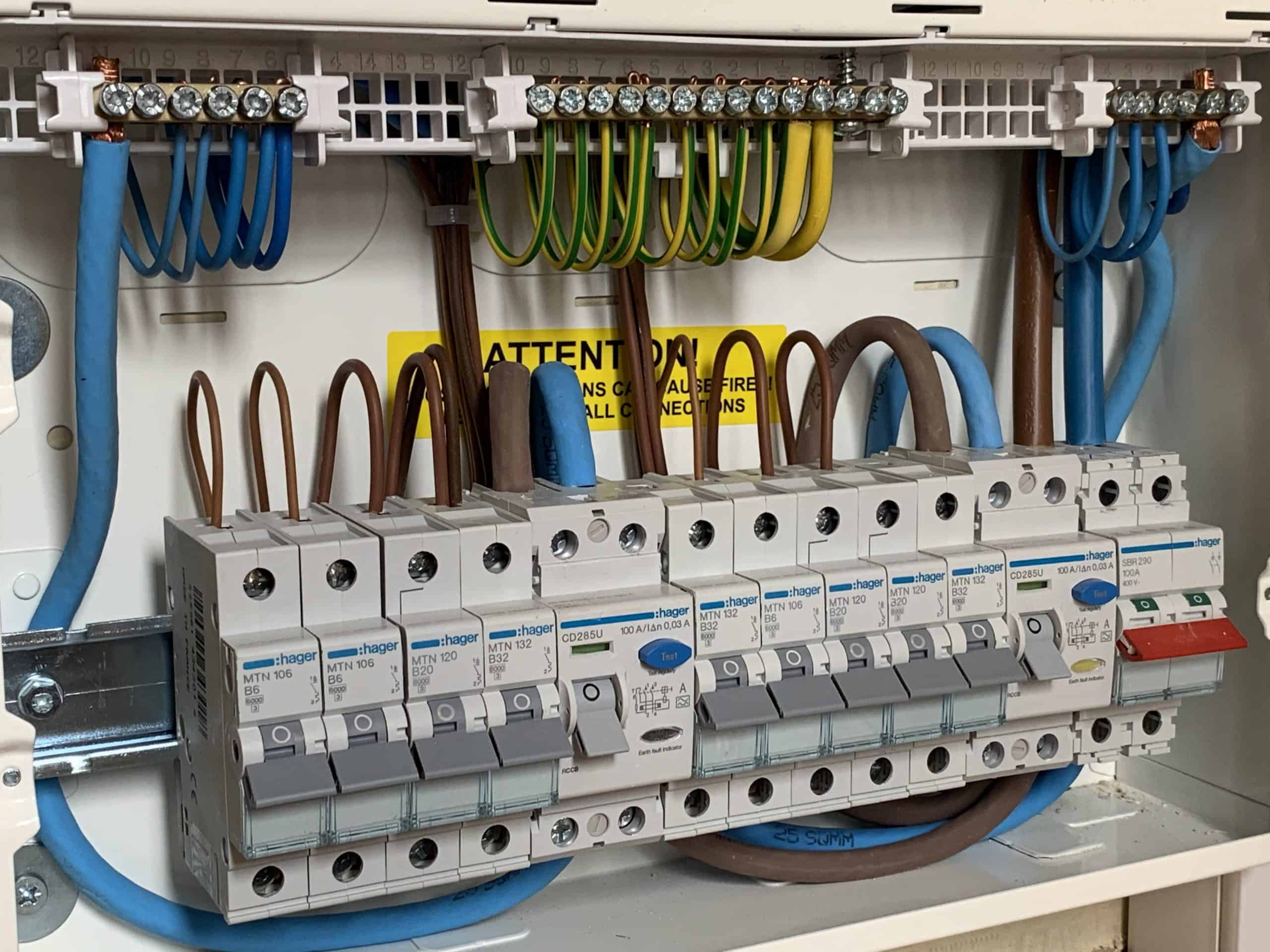
Since 1 April 2021, the Electrical Safety Standards in the Private Rented Sector (England) Regulations 2020 have applied to all private tenancies. You must have the fixed electrical installation inspected and tested by a qualified electrician at least every five years. The EICR must be provided to tenants before occupation and to your local council within 7 days of a written request.
If the report returns a C1 (danger present) or C2 (potentially dangerous) code, you must remedy the fault within 28 days — or sooner if specified. Many older London properties still have single-skin wiring, inadequate earthing, or fuse boards that pre-date modern circuit-breaker standards. Factor a potential fuse board upgrade into your pre-letting costs if the property has not been rewired in the last 25 years.
3. Energy Performance Certificate (EPC)
A valid EPC must be obtained before you market the property and handed to prospective tenants. Since April 2020, rental properties in England must achieve a minimum EPC rating of E. Properties rated F or G cannot legally be let unless a valid exemption is registered with the government's PRS Exemptions Register.
EPC certificates are valid for ten years. If yours has expired or the property has had significant works since it was issued, commission a new one from an accredited domestic energy assessor.
4. Smoke and Carbon Monoxide Alarms
Under the Smoke and Carbon Monoxide Alarm (Amendment) Regulations 2022, landlords must fit:
- A working smoke alarm on every floor used as living accommodation.
- A carbon monoxide alarm in any room containing a fixed combustion appliance (boiler, gas fire, solid fuel stove). This obligation was extended to gas boilers from 1 October 2022.
Alarms must be tested and confirmed working on the first day of every new tenancy. If a tenant reports a faulty alarm, you must repair or replace it within 28 days.
5. Houses in Multiple Occupation (HMO) Licensing
If you are letting to five or more people forming two or more separate households, your property is likely a mandatory HMO and requires a licence from the relevant London borough. Many boroughs — including Newham, Waltham Forest, Hackney and Southwark — have also introduced Additional or Selective Licensing schemes covering smaller HMOs or entire wards.
Check your specific borough council's website before marketing the property. Unlicensed HMO landlords face unlimited fines and tenants can claim rent repayment orders covering up to 12 months of rent paid.
6. Deposit Protection
Any tenancy deposit must be protected in a government-approved scheme — DPS, MyDeposits, or TDS — within 30 days of receipt. You must also serve the prescribed information on the tenant within the same 30-day window. Failure to comply means you cannot serve a valid Section 21 notice and exposes you to a penalty of one to three times the deposit amount.
7. Right to Rent Checks
Under the Immigration Act 2014, landlords in England must check that all adult occupants aged 18 or over have the legal right to rent in the UK before the tenancy begins. You must check original documents, verify them in the tenant's presence, and retain copies for the duration of the tenancy plus one year. The Home Office provides an online checking service for tenants who hold a digital immigration status.
8. Legionella Risk Assessment
The Health and Safety Executive's ACOP L8 guidance requires landlords to assess the risk of Legionella bacteria in their water systems. For most standard residential lets this is a straightforward desktop exercise, but properties with cold water storage tanks, infrequently used outlets, or complex pipework warrant a more thorough inspection by a competent person.
9. Furniture and Furnishings
Any upholstered furniture you provide must comply with the Furniture and Furnishings (Fire Safety) Regulations 1988. Look for the permanent label confirming compliance. Items purchased second-hand or inherited with the property are a common source of non-compliance.
Staying on Top of Compliance
London's regulatory environment for landlords continues to evolve. Keeping a simple compliance calendar — tracking CP12 renewal dates, EICR five-year cycles, and EPC expiry — prevents certificates lapsing unnoticed. Many Gas Safe engineers and NICEIC-approved electricians will issue renewal reminders as a matter of course. The cost of maintaining these certificates is modest compared to the penalties and reputational damage of non-compliance.
Frequently asked questions
How often does a landlord gas safety certificate need to be renewed in London?
A Landlord Gas Safety Record (CP12) must be renewed every 12 months by a Gas Safe registered engineer. The certificate must be given to new tenants before they move in and to existing tenants within 28 days of the annual check.
Does the 2020 EICR regulation apply to existing tenancies or only new ones?
The Electrical Safety Standards in the Private Rented Sector (England) Regulations 2020 now apply to all private tenancies in England, including those that started before the regulations came into force. All rental properties must have a valid EICR — tested at least every five years — and landlords must provide a copy to tenants and to their local authority on request.
Which London boroughs require a selective or additional HMO licence for smaller properties?
A significant number of London boroughs operate licensing schemes that go beyond the mandatory HMO threshold, including Newham, Waltham Forest, Hackney, Southwark, Brent and Barking and Dagenham, among others. Schemes vary in scope and fees, so you must check directly with your specific borough council before letting, as the boundaries and qualifying criteria are updated periodically.
What happens if a landlord fails to protect a tenancy deposit within 30 days?
If a deposit is not protected in a government-approved scheme and the prescribed information served within 30 days of receipt, the tenant can apply to court for a penalty of one to three times the deposit amount. The landlord also loses the ability to serve a valid Section 21 no-fault eviction notice until the deposit is returned or properly protected.