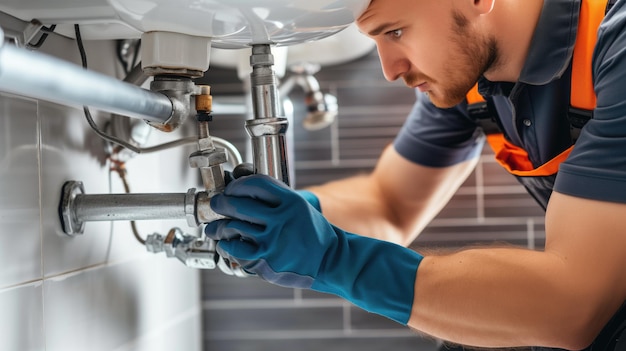
The end of a tenancy is the ideal moment for a systematic plumbing inspection — before new tenants move in, while the property is vacant and access is unrestricted. A structured check-out plumbing inspection identifies damage attributable to the outgoing tenant, surfaces maintenance issues that need addressing before re-letting, and provides a documented baseline for the next tenancy.
Most London landlords conduct a check-out inspection at the end of a tenancy, but few approach the plumbing element with the same rigour as the cosmetic inspection. Missed plumbing issues at check-out — a slow leak under the kitchen sink, a partially blocked drain, a PRV operating outside specification — become tenant complaints, emergency callouts and insurance claims in the next tenancy. A systematic inspection during the void period is significantly cheaper than reactive repairs under tenant occupation.
The Check-Out Plumbing Inspection: Key Areas
Boiler and Heating System
- Check the boiler pressure (should be 1.0–1.5 bar). If it has dropped significantly during the tenancy, investigate for leaks before the next letting.
- Run the boiler and confirm it fires reliably and reaches operating temperature without fault codes.
- Bleed radiators and confirm all panels heat evenly. Cold spots at the top indicate trapped air; cold spots at the bottom indicate sludge build-up.
- Check all thermostatic radiator valves (TRVs) operate — TRVs stuck open or closed are common and affect heating efficiency.
- Confirm the Gas Safety Record is current. If it expires before the next tenancy begins, arrange renewal during the void.
- Check the boiler service history — annual servicing is a condition of most manufacturer warranties and many licensing schemes.
Hot and Cold Water Supply
- Turn on all taps and confirm hot and cold water run correctly at expected pressure and temperature.
- Check under every sink and basin for signs of slow leaks — staining, swelling of cabinet bases, mineral deposits on pipes.
- Operate the stopcock to confirm it opens and closes freely. A stopcock that will not operate is a safety risk in a future emergency.
- In properties with a cold water storage tank, inspect the tank for debris, check the ball float valve operates correctly, and confirm the tank cover is in place.
- Check taps for dripping — even a slow drip indicates a worn washer or cartridge that will waste water and worsen before the next check.
Bathroom and Sanitary Fittings
- Flush all toilets and confirm the cistern refills fully and the flush mechanism operates correctly. Listen for continuous running, which indicates a worn float valve or syphon.
- Check the toilet base for evidence of movement or leakage from the soil pipe connection — staining around the base is the primary indicator.
- Run the bath and basins and confirm waste drains freely. A slow drain is a warning before the full blockage that will generate a tenant complaint.
- Inspect silicone sealant around baths, showers and basins. Failed or mouldy sealant should be replaced during the void — it is far easier to do with the property empty than with a tenant in occupation.
- Check shower hoses, heads and thermostatic cartridges for scaling and operation.
Kitchen
- Run the kitchen tap and check flow rate and temperature.
- Inspect under the sink for any evidence of leaks from waste fittings or supply connections.
- Remove and clean the kitchen waste trap — cooking fat and food debris accumulate here over a tenancy and create blockages in the first weeks of a new occupation if not addressed.
- Check the dishwasher and washing machine supply hose connections (if appliances are provided) for leaks or perished rubber washers.
Drainage and External
- Run water from multiple outlets simultaneously and confirm all drains clear without backup or gurgling — gurgling indicates a partial blockage or venting issue in the stack.
- Inspect external gully traps — particularly kitchen gullies — and clear debris.
- In autumn or winter, check gutters and downpipes for blockages before the next heavy rain event.
Documenting the Inspection
A dated written inspection record — even a simple checklist with photographs — serves multiple purposes:
- It provides evidence for any deposit deduction claims where damage is found attributable to the outgoing tenant
- It provides a documented baseline for the new tenancy (used alongside a check-in inventory)
- It demonstrates that the landlord carries out regular inspections, which is relevant to both licensing compliance and any future dispute about when a fault arose
Where a fault is found during the check-out inspection that was clearly present during the tenancy — from damage patterns or accumulated scale suggesting it has been present for months — and the tenant did not report it, this is relevant to any deposit dispute about responsibility for the repair cost.
Compliance Renewals During the Void
The void period between tenancies is the optimal time to renew compliance documentation that is approaching expiry:
- Gas Safety Record (CP12): If the current certificate expires within three to four months of the expected new tenancy start date, renew it during the void to avoid the risk of it lapsing before the next check-in date.
- EICR: If the current report is approaching the five-year renewal date, commission a new inspection during the void when the electrician has unrestricted access.
- EPC: If the current certificate is within its final year of validity, renew it and check whether any improvements made during the tenancy (boiler replacement, new heating controls) should now be reflected in an updated assessment.
Frequently asked questions
Can a London landlord make deposit deductions for plumbing damage found at check-out?
Yes, where the damage is clearly beyond fair wear and tear and is attributable to the tenant's actions or neglect — for example, a blocked drain caused by the tenant flushing inappropriate items, or a damaged tap fitting. Evidence from a check-in inventory compared against the check-out inspection is essential to support deposit deductions through the tenancy deposit scheme adjudication process.
How often should a stopcock be tested in a London rental property?
A stopcock should be tested at every check-out inspection and at each annual maintenance visit. Stopcocks in Victorian properties that have never been operated can seize completely, leaving no means of isolating the water supply in an emergency. A seized stopcock should be replaced during the void period — attempting to force a seized stopcock under pressure during a burst pipe emergency typically causes it to fail completely.
Is the landlord responsible for clearing the kitchen waste trap at the end of a tenancy in a London rental?
The landlord is responsible for returning the property to its original condition — if the trap was clean at the start of the tenancy, it should be clean for incoming tenants. In practice, cleaning the trap is included in a professional end-of-tenancy clean if instructed. Where a plumber is engaged for the check-out inspection, clearing the trap takes a few minutes and prevents blockage complaints in the first weeks of the new tenancy.
When is the best time to renew the Gas Safety Record in relation to a new tenancy?
The ideal timing is during the void period between tenancies, when access is unrestricted and the engineer does not need to coordinate with an occupant. Gas Safe Regulations allow a certificate renewed up to two months before expiry to retain the original anniversary date, so you can renew the CP12 up to two months early without losing the renewal cycle.