Water Hygiene Audits for London Care Homes and Sheltered Housing: A Complete Guide
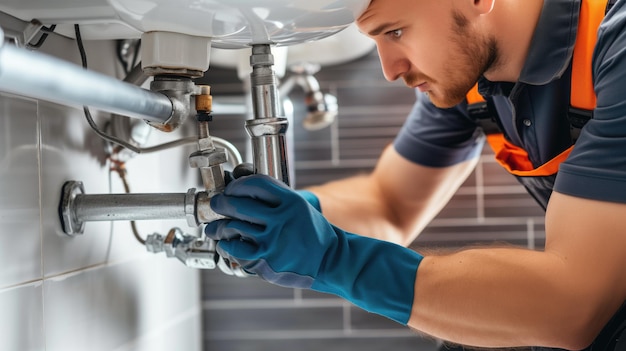
Care homes and sheltered housing in London face the most stringent water hygiene obligations of any residential property type. The vulnerable occupants of these buildings face a significantly higher risk from Legionnaires disease, making comprehensive water hygiene management both a legal requirement and a fundamental duty of care.
Why Water Hygiene Obligations Are More Stringent in Care Settings
The occupants of care homes and sheltered housing schemes in London are disproportionately vulnerable to Legionnaires disease. Age-related immune system decline, pre-existing respiratory conditions, and the use of immunosuppressant medications all increase the susceptibility of older and frail residents to serious illness from legionella infection. An outbreak of Legionnaires disease in a care home setting has the potential to cause multiple fatalities among the resident population, as has occurred in several documented outbreaks in UK care facilities over the past twenty years.
This elevated clinical risk means that the standard of water hygiene management expected in care homes and sheltered housing is higher than in standard residential or commercial properties. The Care Quality Commission (CQC) inspects registered care providers in London and includes water hygiene management within its assessment of safety standards. A care home that lacks adequate water hygiene documentation, or where the water system shows evidence of legionella risk factors, faces regulatory action that can include enforcement notices, improvement requirements, and in serious cases suspension of registration.
What a Water Hygiene Audit Covers in a London Care Home
A full water hygiene audit for a London care home or sheltered housing scheme goes substantially beyond a standard residential legionella risk assessment. The audit covers the complete water supply and distribution system from the point of mains entry to every outlet in the building. For a care home with thirty or more bedrooms, multiple communal bathrooms, a commercial kitchen, laundry facilities, and garden irrigation connections, the water system is complex and the number of outlets to inspect and temperature-test is considerable.
The audit begins with a review of existing water hygiene documentation, including any previous risk assessments, temperature monitoring records, schematic drawings of the water system, records of previous remedial work, and any previous microbiological sampling results. The absence of previous documentation, which is common in older London care homes that have not previously engaged with structured water hygiene management, is itself a finding that indicates a historical management gap.
The physical inspection covers all cold water storage cisterns, their condition, covers, insulation, and inlet ballcock configurations. Hot water storage cylinders or calorifiers are inspected and their thermostat setpoints recorded. The distribution pipework is traced as far as accessible to identify any dead legs, unused connections, or pipework configurations that create stagnation risk. All outlets are categorised by frequency of use and priority, with particular attention given to any outlets used by or near residents, including en-suite shower rooms, communal bathrooms, and any hydrotherapy or assisted bathing facilities.
Temperature Monitoring and Sampling Requirements
Temperature monitoring in a London care home water system must cover the hot water distribution at the calorifier outlet, at the return leg of any hot water circulation loop, and at a representative sample of the furthest and most remote outlets from the calorifier. The HSE guidance for care settings typically requires temperatures to be taken and recorded monthly at the calorifier and quarterly at a representative sample of outlets.
Microbiological sampling is strongly recommended for care home water systems, particularly those in older London buildings where the system has not been comprehensively audited previously. Sampling involves taking water samples from a representative range of outlets including shower outlets, taps, and, where applicable, thermostatic mixer valves. The samples are analysed for legionella by an accredited laboratory. A finding of legionella above the action threshold in any sample triggers an immediate risk management response including investigation, flushing, cleaning, and resampling to confirm clearance.
The Schematic Drawing and Water Safety Plan
A properly documented water hygiene management programme for a London care home includes a schematic or as-installed drawing of the water supply and distribution system. This drawing records the layout of all pipework, cisterns, cylinders, circulation loops, and outlets with reference numbers used in the monitoring records. For many older London care homes, no such drawing exists, and producing one requires a physical survey of accessible pipework combined with inference from the building layout where pipework runs in voids or ducts.
The water safety plan is a written document that sets out the monitoring schedule, the temperature setpoints and acceptable ranges, the procedure for investigating and responding to out-of-range readings, the frequency and scope of microbiological sampling, and the responsibilities of named individuals within the care home management team for each element of the programme. The water safety plan demonstrates to CQC inspectors and to the responsible commissioning body that there is a systematic and proactive approach to water hygiene management rather than a reactive response to problems.
Remedial Works Commonly Required Following Audit
Water hygiene audits of London care homes frequently identify remedial works required to bring the water system into compliance with current guidance. Common findings include hot water storage temperature set below the recommended minimum, inadequately insulated cold water cisterns exposed to ambient temperature in warm plant rooms or roof spaces, dead leg pipework serving decommissioned outlets or redundant connections, and thermostatic mixer valves that have not been serviced or dismantled for cleaning within the recommended two-year cycle. Prestige Engineers carry out water hygiene audits for London care homes and sheltered housing schemes, produce fully compliant documentation, and implement identified remedial measures with minimum disruption to residents.