Plumbing and Water Compliance for London Serviced Apartments: A Landlord and Operator Guide
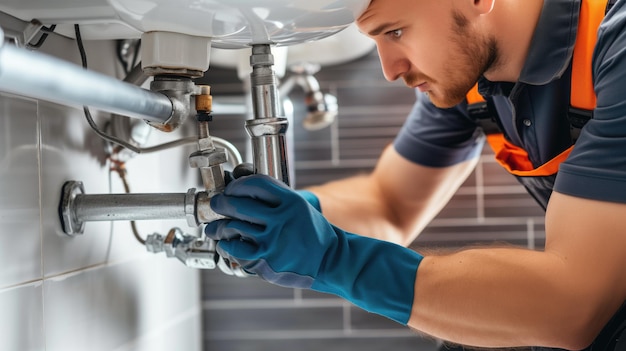
Serviced apartments in London occupy a distinct regulatory position between residential lettings and hotel accommodation. Their plumbing and water compliance obligations reflect this hybrid status, drawing from landlord regulations, commercial property requirements, and hospitality sector standards. Operators who understand this framework can manage compliance proactively.
How Serviced Apartments Differ From Standard Residential Lettings
A serviced apartment in London is a self-contained residential unit that is let on a short-term basis, typically for stays of one night to several months, with hotel-style services including cleaning, linen change, and in some cases concierge and catering services. The London serviced apartment sector has grown significantly over the past decade, with many operators running portfolios of individual apartments across multiple buildings or operating purpose-built aparthotel developments. The regulatory position of serviced apartments is complex because they do not fit neatly into either the residential landlord framework or the hotel operator framework, and the applicable compliance obligations depend on the specific licence category under which the property is registered and the nature of the operator relationship with the building.
For plumbing and water compliance purposes, the key distinction is between operators who own the freehold of the building and therefore have full control of the water infrastructure, and operators who lease individual flats within multi-occupancy buildings and have responsibility only for the plumbing within their demised units. The first category faces all the compliance obligations of a commercial premises operator. The second category faces the overlay of lease obligations, building management company requirements, and individual flat compliance duties. In both cases, the plumbing and water compliance framework is more demanding than for a standard residential let.
Legionella Risk and Water Hygiene in Serviced Apartments
The legionella risk profile of a London serviced apartment is elevated relative to a standard residential property because of the occupancy pattern. Serviced apartments may have periods of vacancy between bookings during which the water system is not used. Stagnant water in pipework serving a shower, tap, or dishwasher connection during vacancy periods creates conditions in which legionella bacteria can proliferate. When a new guest arrives and uses the shower or taps for the first time after a vacancy period, any accumulated bacteria are released as an aerosol and inhaled.
The Health and Safety Executive L8 Approved Code of Practice requires a legionella risk assessment for any premises where water systems could give rise to legionella exposure, which includes serviced apartments. The assessment must identify the risk associated with the vacancy pattern, and the control measures adopted must address the flushing of outlets before guest arrival following any vacancy period of more than seven days. In practice, a reputable London serviced apartment operator should have a documented pre-arrival flushing protocol that runs all water outlets in the unit for at least two minutes before each new guest check-in. This protocol should be recorded in the water management log as evidence of compliance.
Water Regulations and Backflow Prevention in Serviced Apartments
Serviced apartments that provide additional amenities such as spa baths, bidets with sub-rim supplies, garden or terrace water features, or commercial-grade dishwashers face specific Water Regulations backflow prevention requirements that do not apply to standard residential properties. A spa bath or jacuzzi with a submerged inlet requires a fluid category five backflow prevention device to protect the mains supply from contamination by the spa water. A bidet with a sub-rim supply requires at minimum a fluid category three backflow preventer. These requirements exist to protect the mains water supply quality and must be confirmed as correctly installed at the time of commissioning and verified on a periodic basis. Prestige Engineers carry out plumbing compliance inspections for London serviced apartment operators, covering legionella risk assessments, Water Regulations backflow protection, gas safety, and unvented cylinder compliance across individual units and portfolio-wide managed properties.