Property Management Companies in London: How to Manage Maintenance Across a Portfolio
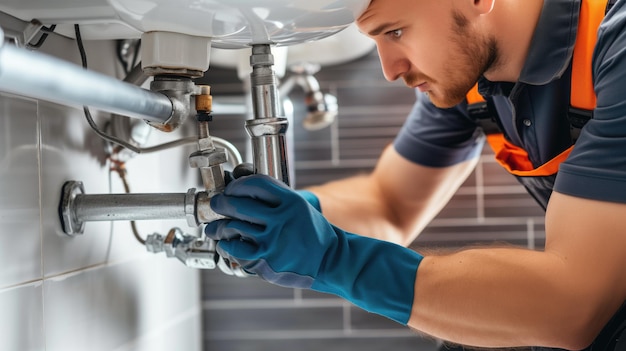
Practical advice for London property management companies on structuring maintenance contracts, running planned preventive programmes, and handling reactive repairs efficiently across large portfolios.
Maintenance Strategy for London Property Management Companies
Managing maintenance across a portfolio of London rental properties is one of the most operationally complex tasks a property management company faces. With multiple landlord clients, hundreds of tenants, and dozens of compliance deadlines running in parallel, an ad hoc approach to maintenance quickly becomes unsustainable. This guide sets out how to build a maintenance operation that is efficient, compliant, and scalable.
Single Contractor vs Multiple Contractors: Making the Right Choice
The most common structural decision for a property management company is whether to use a single multi-trade maintenance contractor or to manage separate specialist contractors for each trade. Both approaches have merits, but for most London portfolios the single contractor model offers significant advantages.
With a single contractor, there is one point of contact for all maintenance issues. When a tenant reports a problem, the property manager calls one number. There is no need to diagnose which trade is responsible before making the call. The contractor carries out the initial diagnosis and escalates internally if multiple trades are involved. This saves hours of coordination time each week across a large portfolio.
A single contractor means one invoice per property per period, simplifying accounts payable and making it easier to produce maintenance cost reports for landlord clients. It also enables a priority response arrangement — a contractor managing 200 of your properties will prioritise your calls above ad hoc customers who call them once a year.
The trade-off is dependency. If the contractor underperforms, you cannot easily switch individual trades while keeping others. Mitigate this by selecting a contractor with proven track records across all the trades you need, reviewing performance quarterly, and keeping a list of backup specialists for trades your primary contractor does not cover.
Planned Preventive Maintenance (PPM) Programmes
A planned preventive maintenance programme schedules all recurring compliance and servicing visits in advance across the portfolio. For London rental properties, the core PPM schedule includes the following.
Annual boiler service and Gas Safety Certificate (CP12): this must be completed within 12 months of the previous check. A well-run PPM programme schedules the service two to four weeks before the anniversary date to allow time to rebook if the engineer cannot get access. The CP12 must be issued to tenants within 28 days of the check and to new tenants before or on move-in day.
Electrical Installation Condition Report (EICR): required at least every five years for all privately rented properties in England. A good portfolio management system tracks the expiry date of each property certificate and generates reminders 90 days in advance.
Smoke alarm and carbon monoxide detector testing: required at the start of each new tenancy. For long tenancies, build an annual test into the PPM schedule as a matter of good practice.
Legionella risk assessment: required under the Control of Substances Hazardous to Health (COSHH) regulations. For residential properties, a simple landlord assessment is usually sufficient. For HMOs or blocks with communal water systems, a full L8 risk assessment by a specialist may be needed.
Setting Reactive Maintenance Response Times
Property management companies should establish clear response time standards with their maintenance contractors and communicate these to tenants as part of the tenancy setup. Standard categories are as follows: emergency (gas leak, total loss of heating in winter, flooding) — attendance within 4 hours, repair completed within 24 hours; urgent (loss of hot water, partial heating failure, blocked drain) — attendance within 24 hours, repair within 48 hours; routine (dripping tap, non-urgent minor repairs) — completed within 14 to 28 days.
These timescales should be written into your contractor agreement and reinforced with SLA reporting. Review missed SLAs monthly and use them as the basis for contractor performance conversations.
Emergency Maintenance Protocols
Every property in your portfolio should have a 24-hour emergency contact number available to tenants. Out-of-hours calls should route directly to a contractor who can attend gas leaks, burst pipes, and heating failures without delay. Ensure your contractor holds Gas Safe registration, an unvented cylinder qualification, and 17th or 18th Edition electrical certification for genuine multi-trade emergency cover.
Record Keeping and Compliance Tracking
A compliance dashboard — whether in a dedicated property management platform or a well-maintained spreadsheet — should show the status of every certificate for every property at a glance. Track CP12 expiry, EICR expiry, EPC expiry, and any outstanding works from previous reports. This dashboard is your primary defence against a regulatory breach and your primary tool for reporting to landlord clients. Prestige Engineers provides compliance reporting to property management companies and integrates with the major property management platforms for certificate delivery and renewal tracking.