Boiling Water Tap Installation in London: Quooker, Zip HydroTap, and What You Need to Know
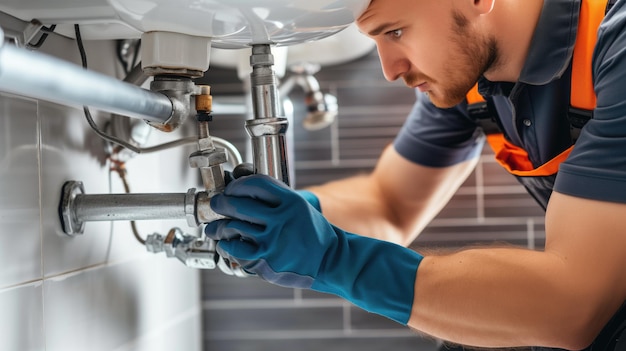
A complete guide to boiling water tap installation in London -- covering Quooker and Zip HydroTap plumbing requirements, under-sink tank sizing, hard water considerations, power supply requirements, and installation costs.
Boiling Water Taps in London: What the Installation Involves
Boiling water taps have become a standard feature of premium kitchen renovations in London. Brands including Quooker, Zip HydroTap, and Grohe Blue Pure are now widely installed in London homes, delivering near-boiling water (typically 100 degrees Celsius for Quooker, 98 degrees for Zip) on demand without the wait of a kettle. The installation involves more than running a cold supply to the tap -- there is an under-sink tank, a power supply, a waste connection, and in London hard water conditions, a specific maintenance regime that the homeowner must be aware of before committing to the product.
How a Boiling Water Tap System Works
The tap unit itself connects to an under-sink tank that holds a small volume of water (typically 2 to 7 litres depending on model and configuration) at near-boiling temperature. The tank is connected to the cold mains supply and maintains the stored volume at temperature continuously using an electric heating element. When the tap is activated, the near-boiling water from the tank is delivered to the tap outlet. Some models (Quooker Fusion, Zip HydroTap) also deliver filtered cold water and sparkling water from the same tap unit. The tank is fully insulated and designed to minimise standby heat loss, but there is a continuous electrical demand from the tank, typically 10 to 25 watts in standby mode.
Cold Supply Connection
The tank must be connected to the cold mains supply under the sink. A plumber installs a 15 mm compression tee off the existing cold supply to the sink cold tap and runs a new 15 mm supply to the tank inlet. A service valve must be fitted on this new supply so the tank can be isolated for maintenance without turning off the kitchen cold supply. For Quooker and Zip HydroTap, a specific filter unit is also installed on this supply line -- the filter reduces particulate matter and chlorine taste and is separate from a scale inhibitor. Filter cartridges must be replaced annually.
Waste Connection for Tank Overflow
The tank has an overflow connection that routes to the sink waste. A small diameter flexible hose (typically 10 to 12 mm) connects the overflow outlet on the tank to a spigot on the sink waste trap or to the standpipe waste beneath the sink. This overflow connection does not carry regular flow -- it is a safety outlet that activates only if the tank overfills or if the pressure relief valve operates. The connection must be made at or below the overflow outlet level to prevent backflow.
Power Supply Requirements
The boiling water tap tank requires a mains power supply -- typically a fused spur switched at 3A or 5A depending on the tank wattage. This spur must be run from a convenient ring main circuit in the kitchen. In most London kitchens, the electrician will install a fused spur unit inside or immediately above the under-sink cupboard. The work is notifiable under Part P of the Building Regulations and must be carried out by a registered competent person. Prestige Engineers arranges the electrician as part of the boiling water tap installation visit to avoid the cost and inconvenience of two separate appointments.
London Hard Water: The Critical Consideration
London mains water has a hardness of approximately 300 to 400 milligrams per litre of calcium carbonate -- among the highest in England. Boiling water accelerates the deposition of calcium scale. Inside a boiling water tap tank, scale builds up on the heating element and the tank walls, reducing efficiency, shortening the element life, and eventually causing the system to fail if not maintained. Most manufacturers recommend a descale service every twelve to eighteen months in London hard water areas. This involves isolating the tank, adding a descaling solution, allowing it to circulate, flushing, and refilling. Quooker and Zip HydroTap authorised service engineers offer maintenance contracts that include the annual descale.
In-line scale inhibitors or inline water softeners can be fitted on the supply line to the tank to reduce scale accumulation. A polyphosphate dosing cartridge fitted on the inlet will significantly slow scale build-up and extend the interval between descales. An inline water softener eliminates scale formation but adds cost and requires periodic salt replenishment. For London properties where the boiling water tap is used heavily, a scale inhibitor on the supply line is a worthwhile investment.
Tank Size and Model Selection
Tank capacity should match usage. For a single occupant or couple, a 2.2-litre Quooker COMBI or a Zip HydroTap Arc is typically sufficient. For a family or a kitchen with heavy hot water use, a larger 3-litre or 5-litre tank avoids the recovery wait between successive uses. Some Quooker models include an integrated boiler tank that combines the boiling water function with heat pump hot water storage -- suitable for properties converting from combi boilers.
Installation Cost
Boiling water tap installation in London: plumbing work (cold supply connection, filter installation, overflow connection) £200 to £400. Electrician for Part P power supply spur £150 to £250 additional. The tap unit itself is not included in these figures -- Quooker tap units range from approximately £500 to £1,200 depending on the model; Zip HydroTap from £800 to £1,500. Tank replacement is required every seven to ten years on average; in London hard water conditions, closer to five to seven years with regular descaling.