Pre-Winter Plumbing Checklist for London Homeowners: What to Do Before the Cold Sets In
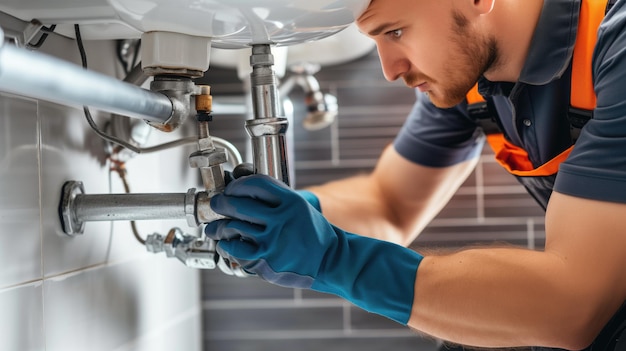
A few hours of preparation before winter can prevent the most common and costly plumbing emergencies in London homes: burst pipes, boiler failures, and frozen outdoor taps. This checklist covers what every London homeowner should check before temperatures drop.
Book Your Boiler Service Before October
The single most important pre-winter task for any London homeowner with a gas boiler is to have the boiler serviced before the heating season begins. Demand for emergency boiler repairs in London peaks in November and December, when temperatures drop sharply and boilers that have sat idle through the summer develop faults. Booking a boiler service in September or October ensures the boiler is running efficiently before you need it, identifies any worn components before they fail in cold weather, and keeps the manufacturer warranty valid. A Gas Safe registered engineer should carry out the service, which includes checking combustion, cleaning the heat exchanger, and testing all safety controls.
Check Boiler Pressure and Top Up if Needed
Sealed central heating systems lose pressure gradually over time through micro-leaks and as the expansion vessel loses charge. Low pressure — typically below 1 bar on the pressure gauge — can cause the boiler to lock out and refuse to fire. Checking the pressure gauge on your boiler before winter and topping up via the filling loop if the reading is below 1 bar is a simple task. The correct pressure for most systems is 1 to 1.5 bar when cold. If the system requires topping up regularly — more than once every few months — there is a leak that should be investigated by a heating engineer.
Locate and Test Your Stopcock
Knowing where the internal stopcock is and being able to operate it quickly is essential when a pipe bursts. In London properties, the stopcock is typically under the kitchen sink or in a utility cupboard. Test it before winter by turning it fully off and then back on — stopcocks that have not been operated for years can seize. If the stopcock is stiff or the spindle drips when operated, have it replaced before winter. In an emergency, a seized stopcock can mean significant water damage before the flow can be stopped.
Lag Pipes in Unheated Spaces
Pipes in loft spaces, garages, external walls, and underfloor voids are at risk of freezing in prolonged cold weather. London experienced several episodes of sub-zero temperatures for multiple consecutive days in recent winters, sufficient to freeze unprotected pipes in unheated loft spaces. Pipe lagging insulation — foam tubes split along their length — costs around 1 to 2 pounds per metre and takes minutes to fit. Any pipe run in an unheated space should be insulated before winter. Pay particular attention to the cold water feed pipe in the loft, where it enters from the roof space, and any pipes running along external walls.
Insulate and Isolate the Outdoor Tap
Outdoor taps in London gardens are a regular source of winter burst pipe claims. Water left in the external section of an outdoor tap fitting freezes, expands, and splits the fitting or the pipe behind the wall. Before winter, locate the internal isolating valve for the outdoor tap — usually under the kitchen sink or in the room on the other side of the exterior wall — and close it. Then open the outdoor tap to drain any water from the external section. Fitting an outdoor tap cover provides additional protection for particularly cold periods. If there is no internal isolating valve, one can be fitted for around 50 to 100 pounds by a plumber.
Flush and Bleed the Heating System
Before firing up the boiler for winter, turn on the heating and check that all radiators warm up evenly. Cold patches at the top of radiators indicate trapped air that needs bleeding. Cold patches at the bottom indicate sludge that has settled in the radiator and is restricting flow — a sign that a powerflush may be needed. Radiators that remain completely cold despite the pump being audible suggest a blockage or valve issue. Identifying these problems in October, when plumbers are available and the weather is mild, is far easier than dealing with a heating system that only partially works during a cold snap in January.
Check Radiators in Unoccupied Rooms
Empty rooms in London homes — a spare bedroom, a home office, a dining room used only occasionally — are often kept with radiators turned off or thermostatic radiator valves set to minimum. In very cold weather, an unheated room can allow temperatures to fall below zero, risking frozen pipes if there are any water pipes behind the walls or through the room. Setting TRVs in rarely used rooms to the minimum frost setting rather than fully off keeps a small amount of heat circulating and prevents pipe freezing without significantly increasing the heating bill.
Know the Number of a 24-Hour Emergency Plumber
Even with thorough preparation, plumbing emergencies happen. Keeping the number of a reliable Gas Safe registered emergency plumber in your phone means you can act immediately rather than searching online in a stressful situation. Prestige Engineers provide 24-hour emergency plumbing and heating response across all London boroughs, covering burst pipes, boiler breakdowns, and loss of heating or hot water in residential properties.