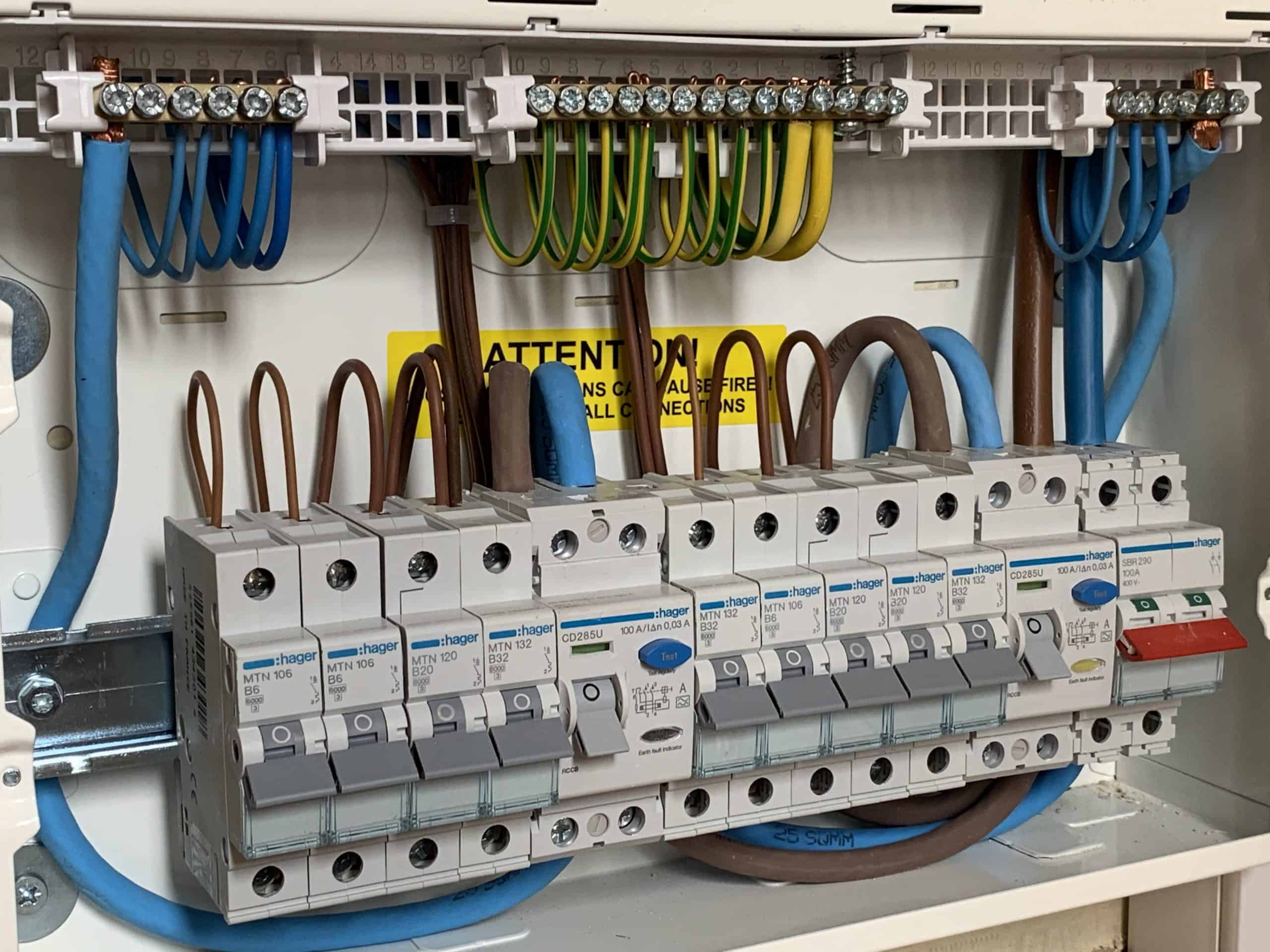
EICR rules for London landlords: the 5-year inspection cycle, what triggers an earlier certificate, tenant rights, and what happens if you don't comply.
An Electrical Installation Condition Report (EICR) is the formal document produced after a qualified electrician has tested and inspected all fixed electrical installations in a property. For London landlords, understanding when one is legally required — and when earlier inspection is triggered — is essential to staying compliant and protecting tenants.
The Mandatory 5-Year Rule for Landlords
Since 1 April 2021, the Electrical Safety Standards in the Private Rented Sector (England) Regulations 2020 have required all private landlords in England — including London — to:
- Ensure electrical installations are inspected and tested at least every five years by a qualified person
- Obtain an EICR from that inspection
- Provide a copy to existing tenants within 28 days of the inspection
- Provide a copy to new tenants before they occupy the property
- Provide a copy to prospective tenants within 28 days of a written request
- Provide a copy to the local authority within 7 days of a written request
The regulations apply to all tenancies in the private rented sector, including assured shorthold tenancies, licences, and HMOs.
What Triggers an Earlier Inspection?
The 5-year cycle is a maximum interval, not a fixed schedule. Several circumstances require earlier inspection:
- EICR outcome code C1 or C2: A C1 (danger present) or C2 (potentially dangerous) outcome on a report requires remedial work and a follow-up verification report within 28 days
- Major alteration or addition: Any significant electrical work — consumer unit replacement, new circuit installation, kitchen or bathroom rewire — should be followed by an updated EICR or at minimum an Electrical Installation Certificate (EIC) covering the new works
- Change of use: Converting a single dwelling into an HMO, or creating a new letting from previously owner-occupied property, requires a current EICR before the first tenancy
- Following flooding: Any property that has suffered flood ingress affecting electrical installations must be inspected before the supply is re-energised
- Suspected or confirmed electrical fault: A tripping consumer unit, burning smells, or suspected wiring damage warrants immediate inspection
What Does an EICR Actually Cover?
A qualified electrician will inspect and test all fixed wiring, the consumer unit (fuse board), earthing and bonding arrangements, socket outlets, light fittings, switches, and any fixed appliances connected to the installation. They are specifically looking for deterioration, damage, wear, and conditions that do not meet the current standard — BS 7671 (the IET Wiring Regulations).
The report grades observations as:
- C1 — Danger present: Risk of injury, immediate remedial action required
- C2 — Potentially dangerous: Urgent remedial action required
- C3 — Improvement recommended: Not dangerous but does not meet current standards; remedial work not obligatory but advisable
- FI — Further investigation required: An issue requires more detailed investigation before a determination can be made
Owner-Occupiers and EICRs
There is currently no legal obligation for owner-occupiers to obtain an EICR, though NICEIC and NAPIT recommend one every ten years or on change of occupancy. Mortgage lenders and home insurers increasingly request a current EICR as a condition of cover or lending, particularly in older London properties.
Penalties for Non-Compliance in London
Local authorities have enforcement powers and can issue financial penalties of up to £30,000 per breach for landlords who fail to comply with the regulations. London's more active borough housing teams — particularly in Newham, Haringey, and Tower Hamlets — have been issuing notices to landlords identified through selective licensing schemes.
Keeping a current EICR on file is one of the lowest-cost compliance obligations a London landlord faces. The inspection typically costs £150–£300 for a standard flat and provides five years of documented compliance.