London mains water pressure can exceed 7 bar in some areas — damaging appliances, causing leaks, and wasting water. This guide explains how to identify high water pressure, what it damages, and how a pressure reducing valve fixes it.
What Is Normal Water Pressure in London?
Thames Water's supply pressure typically ranges from 2-7 bar at the property boundary, depending on location. The regulatory minimum is 1 bar. Inside your property, the recommended static pressure for domestic plumbing is 1.5-3 bar — this range protects appliances and fittings while maintaining good flow.
Many inner London properties, particularly those close to water mains or at low elevations (basement flats, ground floor in a valley), experience pressures of 5-7 bar — significantly above the recommended range.
Symptoms of High Water Pressure
- Banging pipes (water hammer): High-pressure water stopping suddenly (when a tap is turned off or a solenoid valve closes on a washing machine) creates a hydraulic shock that bangs the pipework
- Dripping taps: High pressure forces past tap cartridges and valve seats that would hold at normal pressure — constant drip from taps that were recently serviced
- Appliance failures: Washing machines, dishwashers, and combi boilers are designed for 1.5-3 bar supply. High pressure stresses solenoid valves and can cause premature failure
- Noisy plumbing: Whistling or whining sounds in the pipes
- High water bills: Higher pressure means more water flows per unit time — higher consumption even without obvious waste
- Pipe joint weeping: High pressure accelerates leaks at any weak joint or fitting
How to Measure Your Water Pressure
A simple dial pressure gauge with a hose connection can measure your cold mains pressure. Attach it to an outdoor tap or washing machine inlet. Turn on the tap/open the inlet and read the static pressure. Above 4 bar = high; above 5 bar = very high. Pressure gauge: £8-15 from any hardware store.
The Fix: Pressure Reducing Valve
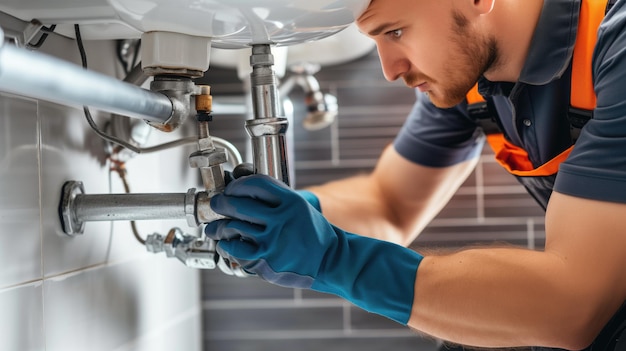
A Pressure Reducing Valve (PRV) is fitted to the cold mains supply entering the property — typically near the internal stopcock. It reduces the incoming pressure to a set value (usually 2.5-3 bar) regardless of the mains pressure. PRVs are adjustable: a plumber sets the output pressure with a screwdriver on the valve body.
PRV supply and installation in London: £150-250. The valve itself costs £30-60; the remaining cost is labour. It is a straightforward job for a plumber — under 2 hours including isolation and pressure testing.
Frequently asked questions
How do I know if my London water pressure is too high?
Signs include banging pipes when taps are turned off, dripping taps shortly after cartridges were replaced, washing machine or dishwasher solenoid valve failures, and high water consumption. Confirm with a pressure gauge attached to an outdoor tap — above 4 bar is high for domestic plumbing, above 5 bar warrants a pressure reducing valve.
Does high water pressure damage a combi boiler?
Indirectly yes — combi boilers are designed for cold mains supply at 1.5-3 bar. Very high inlet pressure (5+ bar) stresses the internal heat exchanger connections and can cause premature weeping at solder joints. Fitting a PRV at the mains entry protects the boiler as well as all other appliances.
Is fixing high water pressure a DIY job?
Fitting a pressure reducing valve requires isolating the mains supply, cutting into the cold mains pipe, fitting the PRV and commissioning it to the correct output pressure. This is plumbing work — not high-risk like gas work, but not trivial either. An incorrectly set PRV that drops pressure too low will affect flow throughout the property. A plumber will fit and set it correctly in under 2 hours.
Who is responsible for water pressure being too high in London — Thames Water or the landlord?
Thames Water is responsible for maintaining pressure at the boundary stopcock up to the regulatory requirement (1 bar minimum), but they are not responsible if their supply pressure is above your internal plumbing's ideal range. Managing pressure inside your property is your responsibility — a PRV is the standard and inexpensive solution.