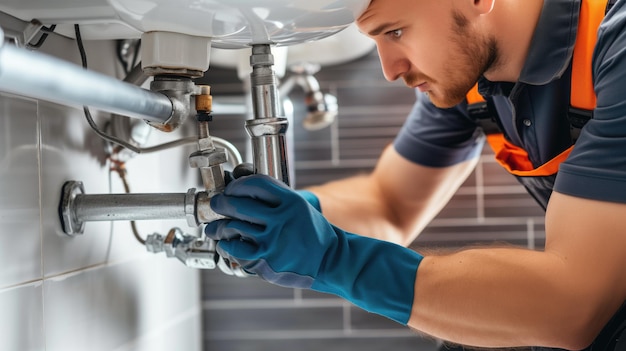
A banging, knocking or vibrating noise in your London home's pipes is almost always one of a small number of identifiable causes. Water hammer — the sharp bang when a tap or solenoid valve closes suddenly — is the most common, followed by pipe movement in response to thermal expansion and high-pressure vibration. Understanding which noise you have is the key to choosing the right fix.
Noisy plumbing is one of the most common complaints in London homes, particularly in Victorian and Edwardian properties where original pipe runs were not designed for the pressures or flow rates produced by modern supply infrastructure. The noise is almost never a sign of imminent pipe failure — but it can indicate conditions that accelerate wear and are worth resolving.
What Is Water Hammer?
Water hammer is the sharp banging noise produced when a moving column of water is stopped suddenly. In a household context, this happens most often when:
- A tap is turned off quickly
- A solenoid valve (as used in washing machines, dishwashers and toilet fill valves) closes rapidly
- A check valve slams shut
When flowing water is stopped abruptly, the kinetic energy of the water column has nowhere to go and creates a pressure spike — the hammer. In London's housing stock, where mains pressure can be higher than 4 bar before a pressure reducing valve (PRV), these spikes can be significant and over time can damage fittings, loosen connections and contribute to joint failures.
Identifying the Type of Noise
Different noises indicate different causes:
- Sharp bang when tap or appliance switches off: Classic water hammer. Address with an arrestor or PRV adjustment (see below).
- Ticking or creaking when heating comes on or hot water runs: Thermal expansion of copper pipes rubbing against joists, clips or masonry. The pipe is expanding as it heats. This is normal and benign, but can be reduced by fitting foam pipe lagging or replacing metal pipe clips with rubber-lined versions where accessible.
- Vibrating or humming noise when a tap is partially open: A worn tap washer or corroded valve seat is vibrating under flow. Replacing the washer resolves this in most cases; if the seat itself is corroded, a seat dressing tool or seat replacement is needed.
- Rattling from the loft when a toilet is flushed: The cold water storage tank or the supply pipes feeding it are poorly supported and vibrate as the tank refills under pressure. The ball float valve in the tank may also be partially failing, causing water to oscillate as the tank fills.
- Knocking from inside walls when taps run: Supply pipes inside the wall cavity are not secured and are moving under flow pressure. This is common in properties where pipes have been run through walls without adequate clip spacing.
Fixing Water Hammer
Reduce the mains pressure. Many London properties receive mains pressure well above the 3 bar typically set by Thames Water as a maximum at the boundary. A PRV fitted at the rising main (or adjusted if one is already fitted) to reduce pressure to 2.5–3 bar will substantially reduce hammer. PRV fitting or adjustment is a job for a plumber (30–60 minutes). This is also the first-line fix where appliance solenoid valves are causing hammer, as reducing pressure reduces the energy in the water column at the point of closing.
Fit a water hammer arrestor. An arrestor is a small device fitted to the supply pipe serving the appliance that causes the hammer — typically on the hot and cold supply connections to a washing machine or dishwasher. It contains a sealed chamber with a piston that absorbs the pressure spike when the valve closes. Arrestors are available for under £20 per fitting and can be fitted without tools on most washing machine connections.
Add a pressure reducing valve to appliance supplies. For appliances that cause persistent hammer even after mains PRV adjustment, a dedicated mini-PRV on the appliance supply can reduce pressure specifically at that point.
Fit an anti-hammer ball float valve. The ball float valve in a cold water storage tank is a common hammer source. Replacing an old equilibrium-type valve with a modern diaphragm-type ball float valve eliminates the hammering that occurs as the old valve bounces at the end of the fill cycle.
Fixing Pipe Noise From Thermal Expansion
Thermal expansion noise — the ticking or creaking as copper pipes heat up and cool down — is addressed by:
- Replacing metal pipe clips with rubber-lined clips (available from plumbing merchants) where accessible under floors or in loft spaces
- Fitting foam pipe lagging on accessible pipe runs — this cushions the pipe within the clip and reduces friction noise
- Where pipes pass through joists, ensuring the notch is slightly oversized or lined with a foam strip to allow for movement without contact noise
When to Call a Plumber
Most noise issues can be investigated and resolved by a competent plumber in a single visit. You should call a plumber rather than attempting a DIY fix when:
- The hammer is severe enough to shake visible pipework or fittings
- The noise is accompanied by any visible sign of leakage at joints
- The PRV or stopcock requires adjustment and you are not confident doing this yourself
- The noise appears to come from within a wall or beneath a concrete floor — visual inspection is needed before any intervention
Frequently asked questions
Is water hammer in a London home dangerous or likely to cause pipe damage?
Mild water hammer is unlikely to cause immediate pipe damage, but severe or persistent hammer creates repeated pressure spikes that over time can loosen fittings, damage appliance valves and contribute to joint failures, particularly in older pipework. It is worth addressing rather than ignoring, especially in London properties with high mains pressure.
Why is water hammer more common in London than in other parts of the UK?
London's mains water pressure is generally higher than in many other areas of the UK — Thames Water's supply pressure at the boundary can be 4 bar or above in some areas. Higher inlet pressure means more kinetic energy in the water column when a valve closes quickly, producing more pronounced hammer. A pressure reducing valve set to 2.5 to 3 bar is the most effective systemic fix.
Can I fit a water hammer arrestor on my washing machine myself?
Yes. Water hammer arrestors for washing machines and dishwashers are inexpensive (typically £15 to £25 each) and are designed to screw directly onto standard threaded hot and cold supply hose connections without specialist tools. Fit them with the machine supply valves closed, connect the supply hose to the arrestor outlet, and reopen the valves.
Why do my pipes make a ticking noise when the heating comes on but not a banging noise?
Ticking or creaking when the heating runs is caused by thermal expansion of copper pipes rubbing against clips, joists or masonry as they heat up. This is different from water hammer (which occurs when flow stops suddenly) and has a different fix: replacing metal pipe clips with rubber-lined clips or adding foam lagging to cushion the pipe against surrounding structure.