Toilet Cistern Repair vs Replacement in London: When to Fix and When to Replace
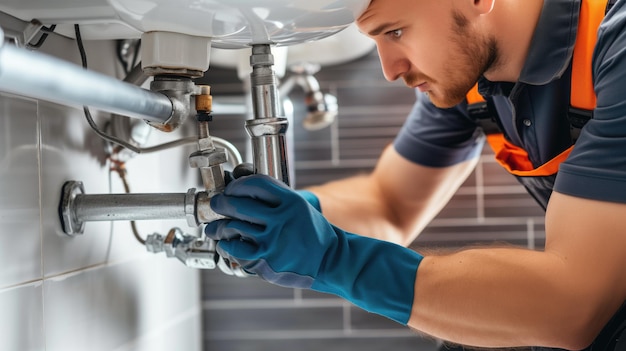
A faulty toilet cistern does not always need to be replaced. This guide explains when repair is the right choice and when full replacement of the toilet is more cost-effective for London homeowners.
The Case for Repair
Most cistern faults are component failures rather than structural failures. The ceramic cistern body itself — the tank that holds the water — is extremely robust and will outlast most of the components inside it. A cistern that is cracked, chipped at the rim, or stained beyond cleaning is a rare exception; in the vast majority of cases, the cistern body is in perfect condition and only the internal mechanisms have worn.
The internal components of a toilet cistern — the flush mechanism (siphon or drop valve) and the fill valve (ballcock or float valve) — are made from plastic and rubber, materials that degrade over time. The combination of UV light exposure through the cistern lid, the continuous immersion in water, and the physical flexing of seals and membranes with each flush means these components have a finite service life. In London, the additional stress of hard water means calcium deposits accelerate wear on valve seal faces and diaphragm surfaces.
When a cistern fault is caused by a worn flush valve, siphon diaphragm, or fill valve, repair is almost always the correct decision. Parts are inexpensive — typically £5 to £25 for a standard flush valve kit or fill valve. Labour is 30 to 60 minutes. Total repair cost is £60 to £120. This is substantially cheaper than purchasing and installing a new toilet, which costs £200 to £400 for a standard close-coupled unit including supply and installation.
When Repair Is Not Practical
Repair becomes impractical in three specific situations. First, if the toilet model is discontinued and replacement parts are no longer available. This is most commonly an issue with designer toilets, unusual imported models, or older UK-made toilets where the manufacturer has ceased trading or has discontinued the spare parts range. If you cannot source a replacement flush valve or fill valve for the specific model, the only option is full replacement. Note that many cisterns are compatible with universal flush valve and fill valve kits that are not brand-specific, so even for older toilets, parts compatibility should be checked before concluding that no parts are available.
Second, if the cistern body is cracked, leaking at the ceramic, or has been mechanically damaged. A crack in the ceramic body of the cistern cannot be reliably repaired — epoxy fillers are not a long-term solution for a pressurised water-holding vessel. A cracked cistern must be replaced. If the pan is also in good condition, it may be possible to replace only the cistern in some toilet designs, but for most close-coupled units, the cistern and pan are a matched set and the toilet should be replaced as a unit.
Third, if the toilet is a very old low-flush model with a 13-litre single flush cistern. Modern WC regulations require all newly installed toilets in England to use no more than 6 litres per flush (4.5 litres for a short flush on dual-flush models). An old 13-litre cistern toilet wastes approximately 7 litres per flush compared to a modern dual-flush toilet. At ten flushes per household per day, this represents 70 litres additional waste per day — 25,550 litres per year — costing approximately £79 per year extra at current Thames Water metered rates. Over five to ten years, the water saving from replacing a 13-litre toilet with a modern 4/6-litre dual-flush model generates a meaningful return, making replacement more attractive than continued repair of an old high-flush cistern.
Wall-Hung Toilet Cistern Repair
Concealed cisterns behind wall panels (Geberit, Grohe, Viega, and other frame systems) are generally repairable. The flush valve and fill valve in these cisterns are proprietary components designed to be accessed through the removable actuator plate opening and, if required, through a larger access panel. Replacement flush valves and fill valves for Geberit Duofix, Geberit Sigma, Grohe Rapid SL, and Viega Prevista frames are available from specialist plumbing merchants in London. The parts are more expensive than standard close-coupled toilet components — typically £30 to £80 per valve — but the labour cost and the cistern itself make repair far more economical than building out a new wall and fitting a replacement frame and cistern.
Making the Decision
The decision tree for any cistern fault in a London property is as follows. If the fault is a standard flush valve, siphon, or fill valve failure on a toilet in serviceable condition, repair is the right decision — cost £60 to £120. If the cistern is cracked or the model is genuinely obsolete with no compatible parts, replacement is necessary — cost £200 to £400 for a standard close-coupled unit. If the toilet is a high-flush model more than 20 years old and in a metered property, replacement with a modern dual-flush toilet is worth considering on water cost grounds. Contact Prestige Engineers for toilet repair or replacement across all London boroughs, with same-day attendance available.