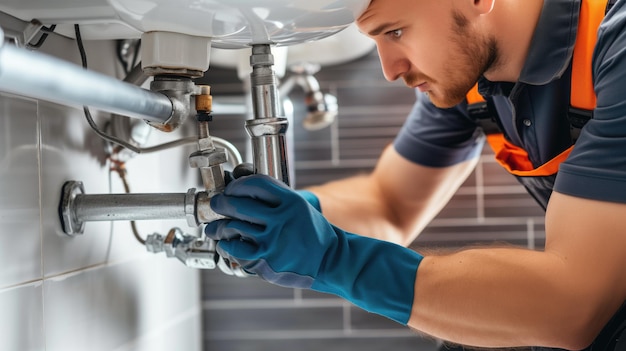
The division of repair responsibility between landlords and tenants in England is set by statute and can be complex. This guide clarifies who fixes what in a typical London rental.
The Legal Framework
Landlord repair obligations in England are primarily governed by the Landlord and Tenant Act 1985, particularly Section 11, which applies to most residential tenancies. Additional obligations come from the Homes (Fitness for Human Habitation) Act 2018 and common law.
What Landlords Must Repair
Under Section 11, landlords are responsible for maintaining:
- The structure and exterior of the property — roof, walls, windows, external doors, drains, gutters, external pipes
- Installations for the supply of water, gas, electricity and sanitation — pipes, drains, baths, sinks, basins, toilets
- Installations for space heating and water heating — boilers, radiators, immersion heaters
The Homes (Fitness for Human Habitation) Act 2018 additionally requires properties to be fit for human habitation throughout the tenancy, covering issues like serious damp and mould, excess cold, unstable structure and unsafe conditions.
What Tenants Are Responsible For
Tenants are responsible for:
- Minor repairs and general maintenance (changing lightbulbs, replacing batteries in smoke alarms)
- Damage caused by the tenant or their guests
- Keeping the property reasonably clean and ventilated
- Reporting defects promptly — failure to report can affect the landlord's liability timeline
- Allowing reasonable access for inspections and repairs
Appliances: White Goods and Appliances Provided by Landlord
If the landlord provides a washing machine, dishwasher or cooker as part of the tenancy, the landlord is generally responsible for repairs or replacement if it fails through normal use. Damage caused by the tenant is their responsibility.
Boiler Breakdowns
Boiler repair and maintenance is the landlord's responsibility under Section 11. A landlord must act reasonably quickly — case law suggests failure to act within 24–48 hours for a complete loss of heating in cold weather may be unreasonable. Keeping an emergency plumber number is good practice.
When the Division Is Unclear
Damp and mould is often disputed. Where condensation damp results from inadequate ventilation in the property design, this is generally a structural issue and the landlord's responsibility. Where it results from lifestyle factors (drying laundry without ventilation), responsibility is shared. Since the Awaab's Law provisions in the Renters (Reform) Bill, landlords have increased obligations to remedy hazardous damp and mould promptly.
Frequently asked questions
Is the landlord responsible for a leaking toilet?
Yes — under Section 11, installations for sanitation including toilets are the landlord's responsibility. The landlord must repair a leaking toilet within a reasonable time of being notified.
Can a landlord charge a tenant for accidental damage?
Yes — damage caused by the tenant (even accidentally) beyond fair wear and tear is the tenant's responsibility and can be deducted from the deposit through the deposit scheme dispute process.
Who is responsible for replacing a broken window?
If the window broke due to fair wear and tear or a structural fault, the landlord is responsible. If the tenant or their guest broke it, the tenant is responsible for the repair cost.
What is a reasonable time for a landlord to fix a boiler?
There is no statutory timeframe but courts have held that urgent repairs like complete heating failures in winter must be attended to within 24–48 hours. Non-urgent repairs should typically be completed within 28 days.