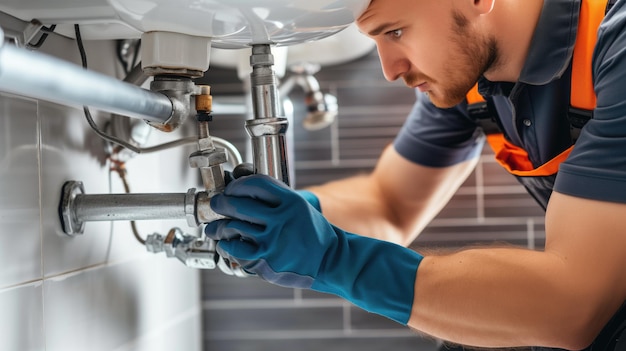
Smart gas meters are being rolled out across London as part of the national smart meter programme. Understanding how a smart gas meter works, what the installation involves, and what rights London householders have during the rollout helps homeowners and landlords make informed decisions about accepting or deferring an installation.
What Is a Smart Gas Meter and How Does It Differ from a Traditional Meter?
A smart gas meter is a digital metering device that automatically sends consumption readings to your energy supplier over a wireless network, eliminating the need for manual meter readings. Traditional gas meters in London properties require either the householder to submit a reading or a meter reader to visit the property. A smart meter removes this requirement by transmitting readings automatically at regular intervals, typically every 30 minutes, allowing suppliers to produce accurate bills based on actual usage rather than estimates.
Smart meters in Great Britain communicate using the Smart Metering System, which operates on a dedicated national wireless network managed by the Data Communications Company (DCC). The DCC network uses a combination of cellular and mesh radio frequencies to relay data from the meter to the supplier. In London, where many properties are in dense urban blocks with thick walls, signal strength can occasionally be a factor in whether a smart meter communicates reliably. A second-generation SMETS2 meter, which is the type now being installed across London, is compatible with any energy supplier, meaning that if you switch suppliers your meter will continue to function as a smart meter rather than reverting to dumb mode as some earlier SMETS1 meters did.
The In-Home Display and What It Shows
When a smart gas meter is installed in a London property, the engineer also fits an In-Home Display (IHD), which is a small wireless screen that shows near-real-time gas and electricity consumption and cost information. The IHD connects to the smart meter via a home area network using the Zigbee wireless protocol. The display shows current consumption in pounds and pence as well as in units, and can show daily, weekly, and monthly consumption history.
For London households, the IHD can be a useful tool for understanding how much gas the central heating and hot water system is consuming. Seeing the cost display rise sharply when the boiler fires up encourages many households to review their heating controls and thermostat settings. Research by energy suppliers has shown that households with functioning IHDs tend to reduce their gas consumption modestly compared to households without real-time feedback.
The Installation Process for a London Property
Smart meter installation for a London home is carried out by an engineer employed or contracted by your energy supplier. The installation is free of charge at the point of installation. The engineer will turn off the gas supply briefly to replace the existing gas meter with the new smart meter, and will then restore the supply and check all gas appliances in the property to confirm they are functioning correctly after the supply interruption. The whole process typically takes between 45 minutes and one and a half hours depending on the number of appliances and the complexity of the metering installation.
For London flats and communal buildings, the location of the gas meter may be in a communal meter cupboard or in a shared basement meter room. The energy supplier engineer should have the appropriate access to these areas. If the meter is in a location that requires the managing agent or freeholder to provide access, the householder should arrange this in advance of the installation appointment. Prestige Engineers can advise on any gas pipework or appliance work that may be needed in connection with a smart meter installation, including situations where the meter location requires a relocation before the smart meter can be fitted.
Landlord Obligations Regarding Smart Meters
Landlords of London rental properties have an obligation under the Smart Meter Rollout regulations to allow their energy supplier to install a smart meter in their property when requested. A landlord cannot unreasonably refuse a smart meter installation, although they can defer an installation appointment. Where a tenanted property has not yet had a smart meter installed, the supplier may contact the tenant directly to arrange an installation, and the landlord should cooperate with this process. A landlord who is also the bill payer for a rental property should ensure that the energy account is in order and that the correct supplier has the property details needed to progress the smart meter installation.
Where a London rental property already has a smart meter, the landlord should ensure that any new tenant is made aware of its operation and receives the IHD with the property at the start of their tenancy. The IHD should be included in the inventory if the property is let furnished or if the IHD is affixed or built in to a surface in the property.