PAT Testing for London Landlords: What Is Required, How Often, and What It Costs
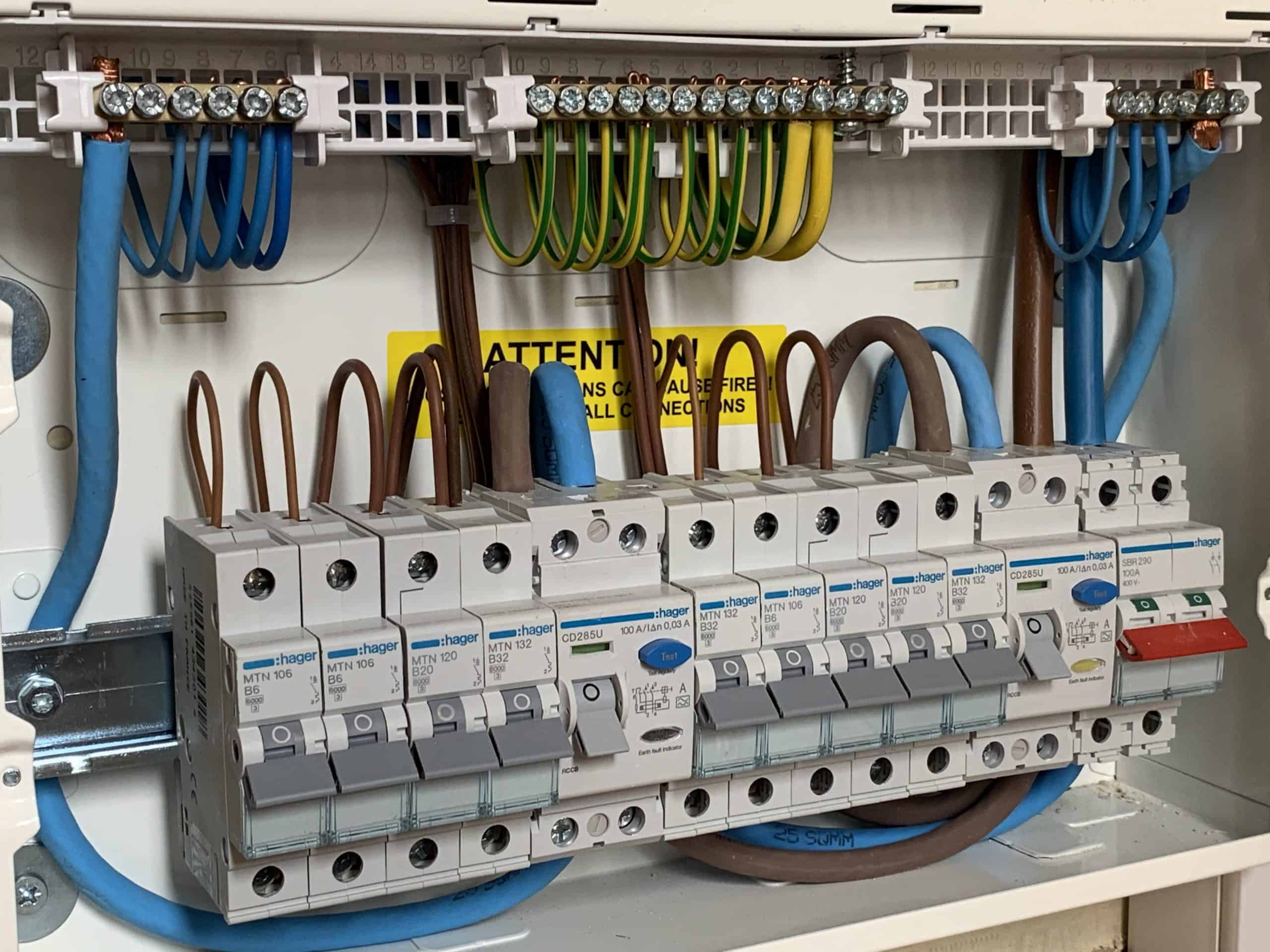
A complete guide to PAT testing obligations for London landlords — which properties require it, what appliances are tested, recommended testing frequency, and typical costs.
What Is PAT Testing?
PAT testing — Portable Appliance Testing — is the inspection and electrical testing of portable electrical appliances to verify they are safe to use. The process involves a visual inspection of the appliance, its cable, and its plug, followed by electrical tests including earth continuity (for Class I appliances with metal bodies), insulation resistance, and in some cases a functional check. Appliances that pass receive a green pass sticker with the test date and the date the next test is due. Appliances that fail receive a red fail sticker and must be removed from use until repaired or replaced.
PAT testing covers any electrical appliance that can be connected and disconnected from the mains supply via a plug — not fixed wiring, which is covered separately by an Electrical Installation Condition Report (EICR). In a rental property, PAT-testable items include white goods (fridge, washing machine, dishwasher, tumble dryer), portable heaters, toasters, kettles, lamps and standard lamps, extension leads, and electric blankets.
Is PAT Testing a Legal Requirement for Landlords?
For standard residential lettings (a single household), PAT testing of landlord-supplied appliances is not explicitly mandated by a single piece of legislation with a specific penalty for non-compliance. However, landlords have a general duty under the Landlord and Tenant Act 1985 and the Housing Act 2004 to ensure that the property and all landlord-supplied items are safe. Failure to ensure appliance safety that results in injury or fire will expose a landlord to civil liability and potentially criminal prosecution.
For Houses in Multiple Occupation (HMOs), the situation is clearer. The Housing Act 2004 and the Management of Houses in Multiple Occupation (England) Regulations 2006 place explicit duties on HMO operators to ensure electrical appliances are maintained in safe condition and in good working order. Local authorities inspecting HMOs under the Housing Health and Safety Rating System (HHSRS) routinely require evidence of PAT testing. Most HMO landlords treat annual PAT testing as a standard compliance requirement, equivalent to the annual gas safety certificate.
How Often Should PAT Testing Be Carried Out?
The frequency of PAT testing depends on the type of property and the risk profile of the appliances. For HMO properties, annual PAT testing of all landlord-supplied appliances is the widely accepted standard and is expected by most local authority HMO licensing teams. For standard lettings, every two to three years is commonly cited for lower-risk domestic appliances, though many landlords opt for an annual test to maintain clear records and limit liability. Electric blankets are a higher-risk category and should ideally be tested annually regardless of property type.
For offices and commercial premises, the IET Code of Practice for In-Service Inspection and Testing of Electrical Equipment provides detailed guidance on frequency by equipment type and use environment. Office IT equipment used on a desktop in a low-risk environment might be tested every four years; equipment on a construction site would be tested every three months.
What Does PAT Testing Cost in London?
PAT testing pricing in London is typically quoted per appliance or as a package for a property. For individual testing at volume, expect to pay £1.50 to £3.50 per appliance. For a small property with 15 to 30 items, a typical package price is £80 to £150 including the visit, all testing, and the written certificate and records. Larger portfolios attract a lower per-item rate — landlords with 10 or more properties may negotiate a rate of £1.00 to £1.80 per item for bulk annual contracts.
Combining a PAT test visit with an EICR at the same property reduces the overall cost compared to two separate call-outs. Many London landlords book both at the same visit, particularly when a new tenancy is beginning or a lease is being renewed. The combined visit price is typically £50 to £80 less than booking each inspection separately.
Keeping Records
A PAT test certificate should list every appliance tested, its unique identifier (serial number or asset label), the test result, the test date, and the engineer details. These records protect the landlord in the event of a claim that an appliance caused injury or fire. Store PAT certificates alongside gas safety records and EICRs — all three are standard compliance documents that a local authority, insurer, or solicitor may request in the event of an incident or inspection.