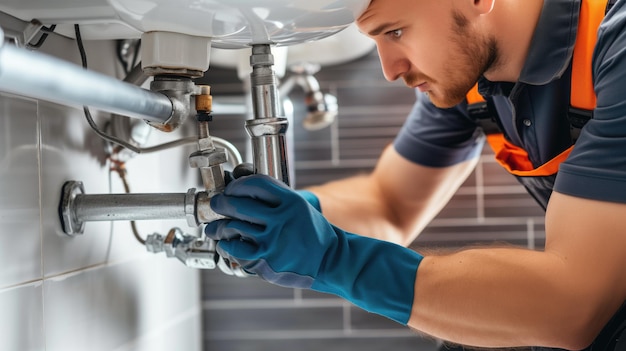
A practical pre-winter checklist for London homeowners and landlords covering boiler servicing, pipe insulation, stopcock testing, and heating system checks before cold weather arrives.
Why Winter Preparation Matters for London Properties
London winters are milder than much of the UK, but the city still experiences regular cold snaps with temperatures dropping below zero, and the concentration of older housing stock means a disproportionately high number of properties with vulnerable plumbing and aging heating systems. The cost of a pre-winter preparation check is typically £100 to £300. The cost of a burst pipe in winter — combining emergency plumber callout, materials, drying out, and remediation — is typically £1,000 to £10,000 or more. Preparation is not optional for landlords with tenanted properties, where a burst pipe or boiler failure in winter is an emergency repair obligation under the Landlord and Tenant Act 1985.
Boiler and Heating System Checks
Book the annual boiler service in August or September — before the heating season begins and before the peak October-November demand period when engineer availability is limited. The service should include: combustion chamber and heat exchanger cleaning; flue gas analysis; safety device testing; expansion vessel pressure check; condensate trap inspection; and a check of all electrical connections at the boiler. Ask the engineer to check the system pressure and inhibitor concentration in the heating water at the same time. A power flush may be recommended if the engineer detects significant sludge in the system — a dirty system reduces efficiency and accelerates wear on the boiler heat exchanger and pump.
Test the central heating by running it for a full cycle before cold weather arrives. Check that every radiator heats evenly from top to bottom. A radiator that is cold at the top needs bleeding — use a bleed key to open the bleed valve at the top corner of the radiator until water (not air) emerges, then close. A radiator that is cold all over, despite the others being hot, may have a stuck thermostatic radiator valve (TRV) — try turning the TRV fully off and then back on to free the pin.
Pipe Insulation
Inspect all pipework in unheated spaces: the loft, any cold garage or outbuilding with water supply, and external pipes. Fit foam pipe lagging (available from any hardware shop for a few pounds per metre) to all bare pipes in these areas. Pay particular attention to the condensate pipe from a condensing boiler — this is typically a white or grey plastic pipe running from the boiler to an external drain. It is the most commonly frozen pipe in London properties during cold snaps and causes the boiler to lock out when frozen. Where possible, reroute the condensate pipe to an internal drain during a boiler service; if it must run externally, insulate it thoroughly and consider fitting a trace heater on the most exposed section.
Stopcock Test
Test the main stopcock by turning it clockwise (to close) and then anticlockwise (to open). If it is stiff but moves, apply some penetrating oil and work it back and forth gently to free it. If it will not move at all, have a plumber replace it before winter — a seized stopcock is discovered at the worst possible moment, during an emergency when you need to isolate the water quickly. Also locate and test any other isolation valves in the property: under the kitchen sink, behind toilets, and on the supply to the washing machine and dishwasher. Knowing where these are and confirming they work is essential preparation for any water emergency.
Check for Dripping Taps and Running Toilets
A dripping tap or a running toilet are low-priority in summer but become more significant going into winter. A running toilet wastes 200 to 400 litres per day and represents a significant cost on a metered water supply. More importantly, a running toilet or dripping tap means the plumbing system is already showing signs of wear — a component that is partially failing now may fail completely in a cold snap, causing a more significant problem. Book these repairs before winter rather than adding them to a growing list of issues.
External Taps and Garden Pipework
External taps and garden pipework are highly vulnerable to frost. Most external taps have an internal isolation valve — close it and then open the external tap to drain the water from the exposed section. If there is no internal isolation valve, fit one during the autumn — a worthwhile investment that prevents a predictable freeze and burst every winter. Drain garden irrigation systems and hosepipe connections before the first frost.
For Landlords: Vacant Property Precautions
A vacant rental property in winter is the highest-risk scenario for burst pipes. An unoccupied property has no heating running on demand and nobody present to detect a slow drip or a heating failure before it becomes a flood. Set a minimum background heating temperature of 12 degrees Celsius on a frost thermostat if the property will be vacant. Leave loft hatches slightly open to allow some heated air to circulate. Arrange a weekly check-in visit during very cold weather — a property management company or a reliable neighbour with a key. Inform your insurer if the property will be vacant for more than 30 days, as most policies require notification and may require a minimum temperature to be maintained to preserve cover for escape of water claims.