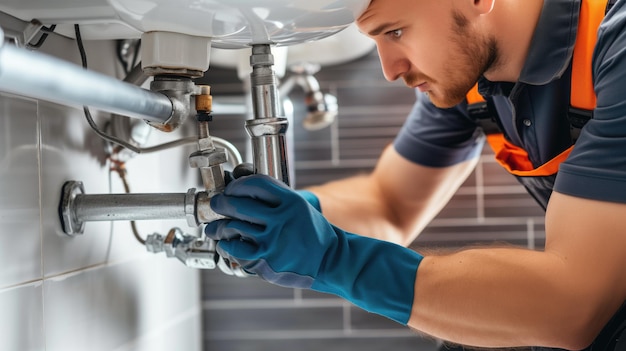
A burst pipe, an escape of water from a failed fitting, or damage from a blocked drain can cause significant damage to a London property. Making an insurance claim for plumbing damage is a process many homeowners have not been through before. This guide explains each step clearly.
What Home Insurance Covers for Plumbing Damage in London
Most standard home buildings insurance policies in the United Kingdom cover damage to the structure and fabric of the property caused by an escape of water from fixed domestic water, heating, or drainage installations. This includes damage from burst pipes, leaks from plumbing connections, failed seals around baths or showers, and overflow from cisterns or storage tanks. The damage covered typically includes structural damage to floors, walls, and ceilings, and in many cases the cost of accessing the source of the leak, for example lifting floorboards or cutting into a wall to locate and repair a concealed pipe. Contents insurance may separately cover damage to personal possessions caused by the same water escape event.
What is generally not covered is the cost of repairing the failed pipe or fitting itself. Insurance covers the consequential damage from the escape of water, not the underlying plumbing repair. So if a pipe joint under a London property fails and floods the ground floor, the insurance policy will typically cover the cost of drying out the structure, replacing damaged floorboards and plaster, and decorating, but the cost of repairing or replacing the failed pipe joint is the homeowner or landlord responsibility. Some policies include additional cover for the cost of tracing and accessing the source of the leak, which covers the costs of a London plumber carrying out a leak detection survey and any access works required.
Step One: Isolate the Water and Document the Damage
As soon as a plumbing failure is discovered in a London property, the first action is to isolate the water supply at the main stopcock to prevent further damage accumulating. Once the flow is stopped, document the damage photographically before any emergency works are carried out. Photograph all visible damage, including waterlogged floor coverings, damaged ceilings, wet walls, and any personal possessions affected. This photographic evidence is important for the insurance claim and should be taken from multiple angles and distances. Note the time and date of discovery and, if known, the approximate time at which the failure occurred.
Contact your insurer as soon as possible after isolating the supply. Most insurers provide a twenty-four-hour claims line for emergency situations such as escape of water. The insurer will register the claim, provide a claim reference number, and advise on whether you should arrange an emergency plumber immediately or whether they will appoint one. In a severe emergency where the property is at risk of further serious damage, you are entitled to arrange emergency works without prior insurer approval, provided you retain all receipts and notify the insurer as soon as possible afterwards.
The Claims Process and What to Expect from Your London Insurer
Following the initial notification, most London home insurers will appoint a loss adjuster to assess the damage for claims above a threshold value, typically around two to three thousand pounds. The loss adjuster will visit the property, review the photographic evidence and any plumber reports, and produce an assessment of the covered damage for the insurer. It is important to obtain a written report from the plumber who carried out the emergency repair and any subsequent investigation, as this report will form a key part of the claim. The report should describe the nature of the failure, the likely cause, and the repair carried out.
Drying out a water-damaged London property is typically a specialist process involving the placement of industrial dehumidifiers and air movers for a period of days or weeks, depending on the extent of saturation. Most insurers appoint a specialist drying contractor for this work. Reinstatement of damaged finishes including plaster, screed, floor coverings, and decoration follows once the structure is confirmed dry. Keep a record of all costs and correspondence throughout the claims process, and do not accept a settlement that does not fully cover the reasonable cost of putting the property back to its pre-damage condition. Prestige Engineers provide written plumbing investigation reports for London homeowners making insurance claims, covering the cause of failure and all works carried out.