Office Electrical Safety Inspection in London: EICR and PAT Testing for Commercial Properties
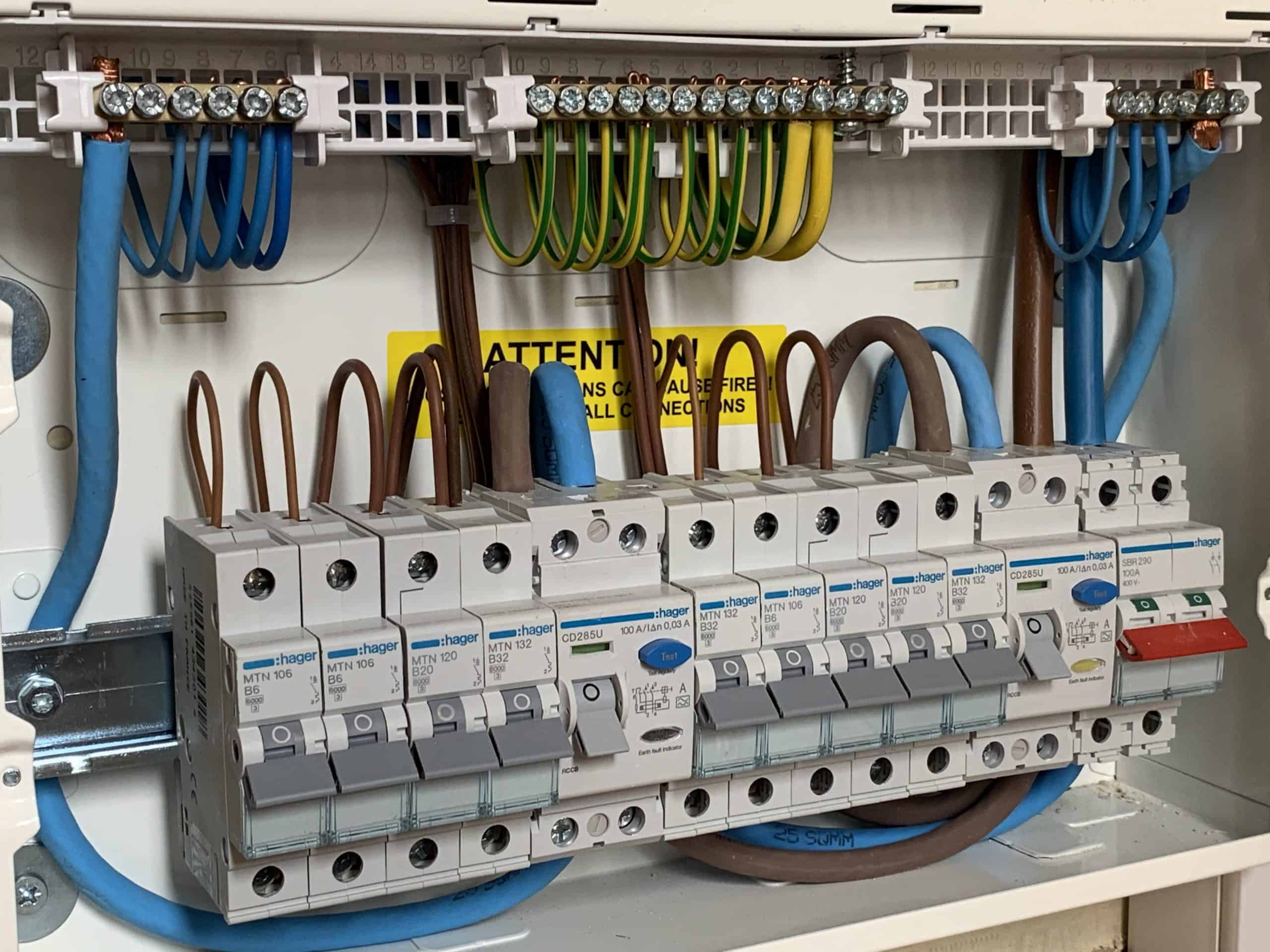
What London office occupiers and commercial landlords need to know about electrical safety inspections — EICR requirements for commercial premises, PAT testing obligations, and how to book both efficiently.
Electrical Safety Obligations for London Office Premises
Office occupiers in London are subject to the Electricity at Work Regulations 1989, which require that all electrical systems are maintained in a safe condition so far as is reasonably practicable. This duty falls on the employer or person responsible for the premises. Unlike the residential sector, where the Electrical Safety Standards in the Private Rented Sector Regulations 2020 provide a specific five-year EICR cycle, commercial premises do not have a single prescribed inspection interval set by statute. The obligation is to maintain safety, and the appropriate inspection frequency depends on the type of premises, the nature of the use, and the age and condition of the installation.
For most London office premises, a fixed wire inspection (EICR) every five years is an accepted standard for premises with a relatively modern installation in good condition. Premises with older wiring, high-load electrical equipment, or evidence of previous poor workmanship should be inspected more frequently — every three years is common. New tenants taking on a commercial lease in London should always obtain the most recent EICR for the premises before occupation, or request a new inspection as a lease condition if one is not available.
What a Commercial EICR Covers
A commercial EICR in a London office will cover: the main incoming supply and distribution boards; all final circuit wiring and connections; socket outlets and fused connection units; lighting circuits and emergency lighting circuits; earthing and bonding arrangements; protection against electric shock (RCD protection where required); and the condition of all accessible wiring. Commercial premises often have more complex distribution than domestic properties — sub-distribution boards, three-phase supplies, dedicated circuits for server rooms and data centres, and UPS systems. A qualified commercial electrician should carry out the inspection, as the test methods and standard of assessment differ from domestic EICR work.
PAT Testing in London Offices
Employers have a duty under the Provision and Use of Work Equipment Regulations 1998 (PUWER) and the Electricity at Work Regulations 1989 to ensure that all work equipment, including portable electrical appliances, is maintained in a safe condition. For office environments, PAT testing every two to four years is typically appropriate for standard desktop equipment (computers, monitors, printers, desk lamps) in a low-risk environment. Higher-frequency testing is required for equipment used in more demanding conditions — a portable drill used for office maintenance, for example, should be tested annually.
The IET Code of Practice for In-Service Inspection and Testing of Electrical Equipment is the definitive guidance document for PAT testing intervals. Many London facilities managers use a risk-based approach: identifying higher-risk equipment categories (items moved regularly, items with damaged cables, equipment over five years old) and testing those more frequently while extending the interval for lower-risk desktop equipment in stable use.
Combining EICR and PAT Testing
Many London facilities managers book the EICR and PAT testing at the same time to reduce disruption to office operations and minimise the number of engineer visits. This is particularly practical when the EICR requires the distribution board to be isolated for testing — the PAT testing of appliances in each zone can be completed while access is already arranged and circuits are being tested. The combined visit approach also typically produces a cost saving compared to booking two separate visits.
Emergency Lighting and Fire Alarm Testing
London offices are also subject to emergency lighting and fire alarm testing obligations under the Regulatory Reform (Fire Safety) Order 2005. Emergency lighting must be tested monthly (a brief function test) and annually (a full duration discharge test). Fire alarm systems must be tested weekly (weekly call point test, alternating call points) and serviced by a competent engineer every six months. These tests should be logged in a fire safety log book, which the local fire and rescue authority may request during an inspection. Combining all three visits — EICR, PAT testing, and emergency lighting test — in a single annual inspection day minimises disruption and provides a complete electrical compliance record for the premises.