HMO Electrical Safety Requirements in London: EICR, RCD Protection, PAT Testing and Emergency Lighting
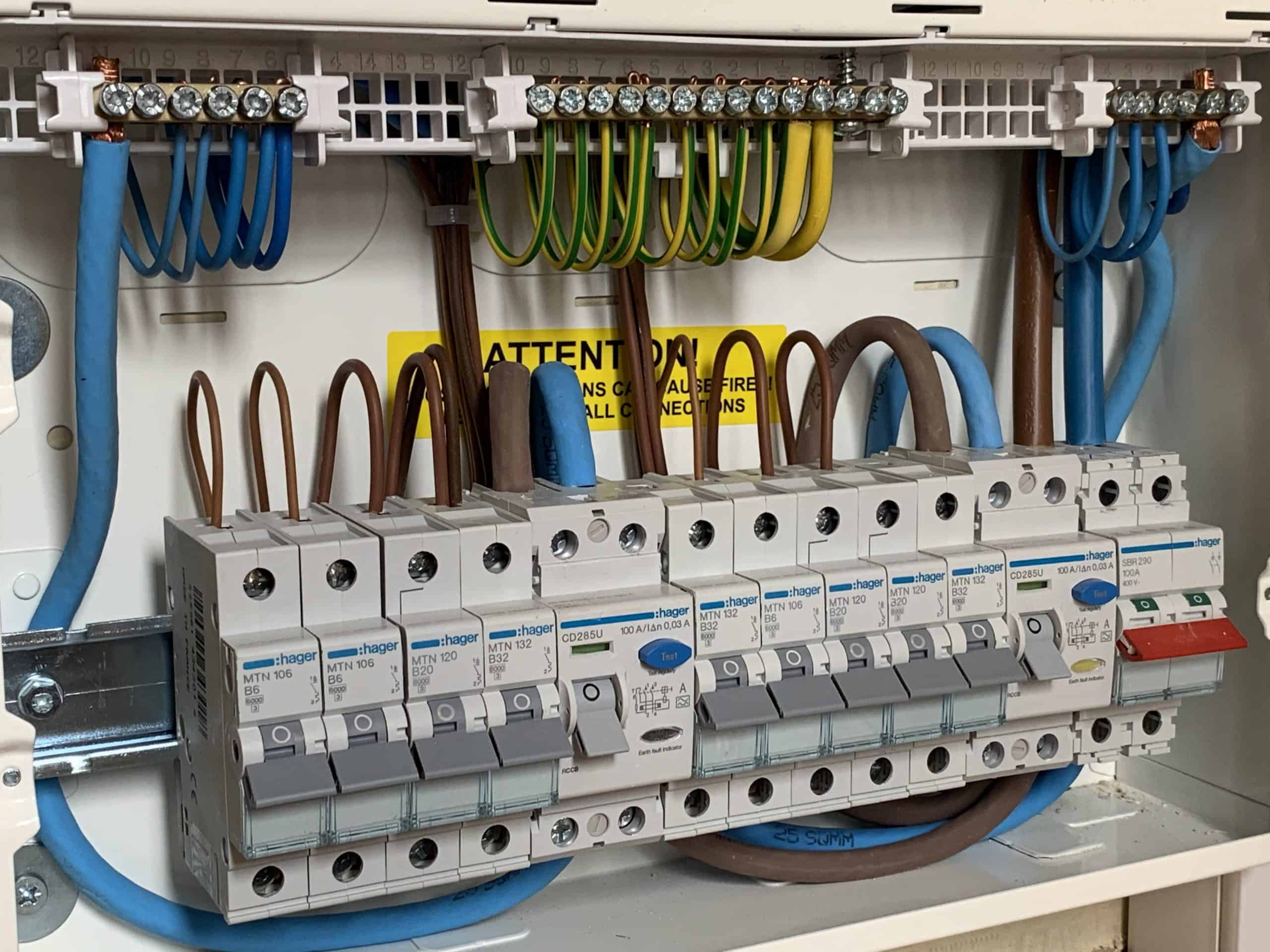
A comprehensive guide to the electrical safety requirements for HMO properties in London — EICR frequency, RCD and RCBO board requirements, PAT testing obligations, and emergency lighting.
Why HMO Electrical Compliance Is More Demanding
Houses in Multiple Occupation (HMOs) in London face more stringent electrical safety requirements than standard single-let properties. This reflects the higher occupancy density, shared facilities, and the greater risk that comes from multiple unrelated occupants using shared electrical infrastructure. Local authorities in London — from Tower Hamlets to Hackney to Southwark — have active HMO licensing teams that carry out inspections and can issue improvement notices or prohibit use of a property if electrical safety conditions are not met. Understanding what is required is essential for any London landlord operating an HMO.
EICR Requirements for HMOs
All HMOs in England must have a valid Electrical Installation Condition Report (EICR). The Housing (Tenancy Deposits) Act and the Electrical Safety Standards in the Private Rented Sector (England) Regulations 2020 require that the EICR is no more than five years old and that a copy is provided to each tenant. For HMOs, many local authorities impose a more frequent inspection requirement — three-year or even annual EICR cycles are required by some councils as a condition of HMO licensing. Check the specific conditions of your HMO licence, as they override the standard five-year national requirement where they impose a shorter interval.
An EICR carried out on an HMO will typically involve testing every circuit in the property, all accessible socket outlets and light fittings, the consumer unit, the earthing and bonding arrangements, and the condition of all accessible wiring. Any C1 (danger present, immediate action required) or C2 (potentially dangerous, urgent remedial action required) observations must be remedied within 28 days of the report being issued.
Consumer Unit Requirements for HMOs
For HMO properties, a full RCBO consumer unit is strongly recommended over a split-load dual RCD board. The reason is straightforward: in a property with multiple tenants sharing kitchen, bathroom, and communal circuits, a tripped RCD that cuts power to an entire half of the board affects multiple households simultaneously. An RCBO board ensures that a fault on one tenant circuit does not affect any other tenant. Local authority inspectors increasingly expect RCBO protection on HMO properties and some councils specify it explicitly in their licensing conditions.
The consumer unit enclosure itself must comply with BS EN 61439-3 and be of a type appropriate for the installation. Metal-clad consumer units are required in domestic properties under the 18th Edition of BS 7671 — plastic consumer units that were common before 2016 are no longer compliant for new installations or replacements.
PAT Testing in HMOs
HMO operators are required under the Management of HMOs Regulations 2006 to ensure that all electrical appliances in the HMO are maintained in safe condition and in good working order. In practice, this means annual PAT testing of all landlord-supplied appliances is the expected standard. This includes white goods in communal kitchens and individual kitchen units, shared laundry appliances, communal area lamps and heaters, and any appliances in individual tenanted rooms supplied by the landlord. Keep PAT certificates on file and provide copies to the local authority on request during an HMO inspection.
Emergency Lighting in HMOs
HMOs with three or more storeys, or with a floor area above 200 square metres, are generally required to have emergency lighting installed in escape routes and communal areas. Emergency lighting must be tested monthly (a short functional test) and annually (a full 3-hour duration test), with records kept in a log book. The local authority fire safety officer and the HMO licensing team may both inspect emergency lighting compliance. Failure to maintain emergency lighting is both an HMO licensing breach and a fire safety offence under the Regulatory Reform (Fire Safety) Order 2005.
Smoke and Carbon Monoxide Alarms
The Smoke and Carbon Monoxide Alarm (Amendment) Regulations 2022 require at least one smoke alarm on every storey of an HMO where there is a room used as living accommodation, and a carbon monoxide alarm in any room containing a fixed combustion appliance (boiler, gas fire). Smoke alarms in HMOs must be interlinked so that an alarm on any floor triggers all alarms throughout the property. These requirements are in addition to HMO licence conditions, which often specify alarm types and locations in more detail.