Leasehold flat ownership in London creates a layer of complexity around boiler and heating system responsibility. This guide clarifies who owns the boiler, who must repair it, and what leaseholders can do when things go wrong.
How Leasehold Ownership Affects Boiler Responsibility in London
The majority of flats in London are sold on a leasehold basis. The leaseholder owns the right to occupy the property for the duration of the lease, typically a long lease of 99 to 999 years, while the freeholder or a management company appointed by the freeholder retains ownership of the building structure and communal areas. The distinction between what falls within the leaseholder demise and what is part of the building structure is set out in the lease document, and it is this document that determines who is responsible for the boiler and heating system.
In the majority of London leasehold flats, a boiler that serves only that individual flat and is located within the flat is the responsibility of the leaseholder. This means the leaseholder is responsible for servicing it annually, repairing it when it develops a fault, and replacing it when it reaches the end of its service life. The pipework within the flat demise, the radiators, and the programmer and thermostat controls are also typically the leaseholder responsibility. This is the most common arrangement in London conversions and purpose-built blocks where each flat has its own individual boiler.
When the Freeholder or Management Company Is Responsible
Some London purpose-built blocks, particularly larger developments built in the 1960s and 1970s, operate a communal heating system rather than individual flat boilers. In this case, a central plant room contains boilers or heat exchangers that supply hot water and heating to all flats via communal pipework. In this arrangement, the communal heating plant is the responsibility of the freeholder or the management company. Leaseholders pay for their share of the running and maintenance costs through their service charge, but the responsibility for the plant itself lies with the building management.
Where a communal heating system exists, leaseholders in London have a right to request information about the maintenance of the communal boilers, the service history, and the costs incurred. Service charge legislation in England requires that major works to communal systems above a certain threshold are subject to a Section 20 consultation process, giving leaseholders the opportunity to comment before contracts are let. If you are purchasing a London leasehold flat with a communal heating system, reviewing recent service charge accounts and any major works notices is an important part of the purchase due diligence.
Practical Steps When the Boiler Fails in a London Leasehold Flat
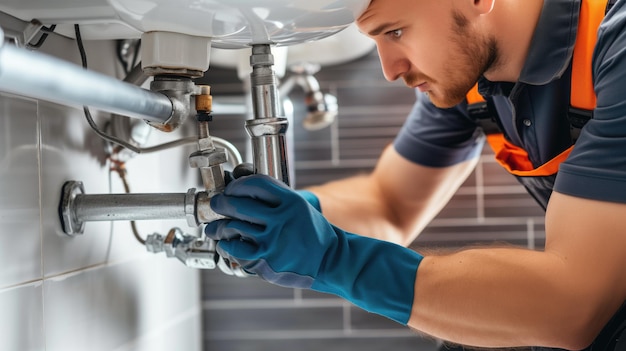
Where the boiler within your London leasehold flat is your responsibility, the practical process for dealing with a breakdown is the same as for any London homeowner: contact a Gas Safe registered engineer, arrange an inspection and repair, and budget for the cost. Where the flat is tenanted, the landlord who is the leaseholder takes on the same repair obligations as any other private landlord and must ensure the boiler and heating system are maintained and repaired promptly under the Landlord and Tenant Act 1985.
Where you believe the communal heating system is responsible for the lack of heating in your London flat and the management company is not responding, the remedy involves contacting the freeholder or managing agent formally in writing, escalating to the First-tier Tribunal (Property Chamber) if necessary, and in urgent cases where health is at risk, involving the local authority Environmental Health team. Prestige Engineers carry out boiler servicing, repairs, and replacements for London leaseholders and can advise on the responsibility questions that arise in leasehold situations based on the specific circumstances.