Tenants in London have rights regarding electrical safety in their rented flat. This guide explains what your landlord is required to provide, what to do if something seems unsafe, and how to get help.
Tenant Rights Regarding Electrical Safety in London Rentals
The Electrical Safety Standards in the Private Rented Sector (England) Regulations 2020 gave private tenants in England, including all London renters, the right to have the fixed wiring in their rented property inspected and tested at least every five years. Understanding what you are entitled to — and what to do if your landlord is not complying — is important for your safety and your rights as a tenant.
What Your Landlord Must Provide
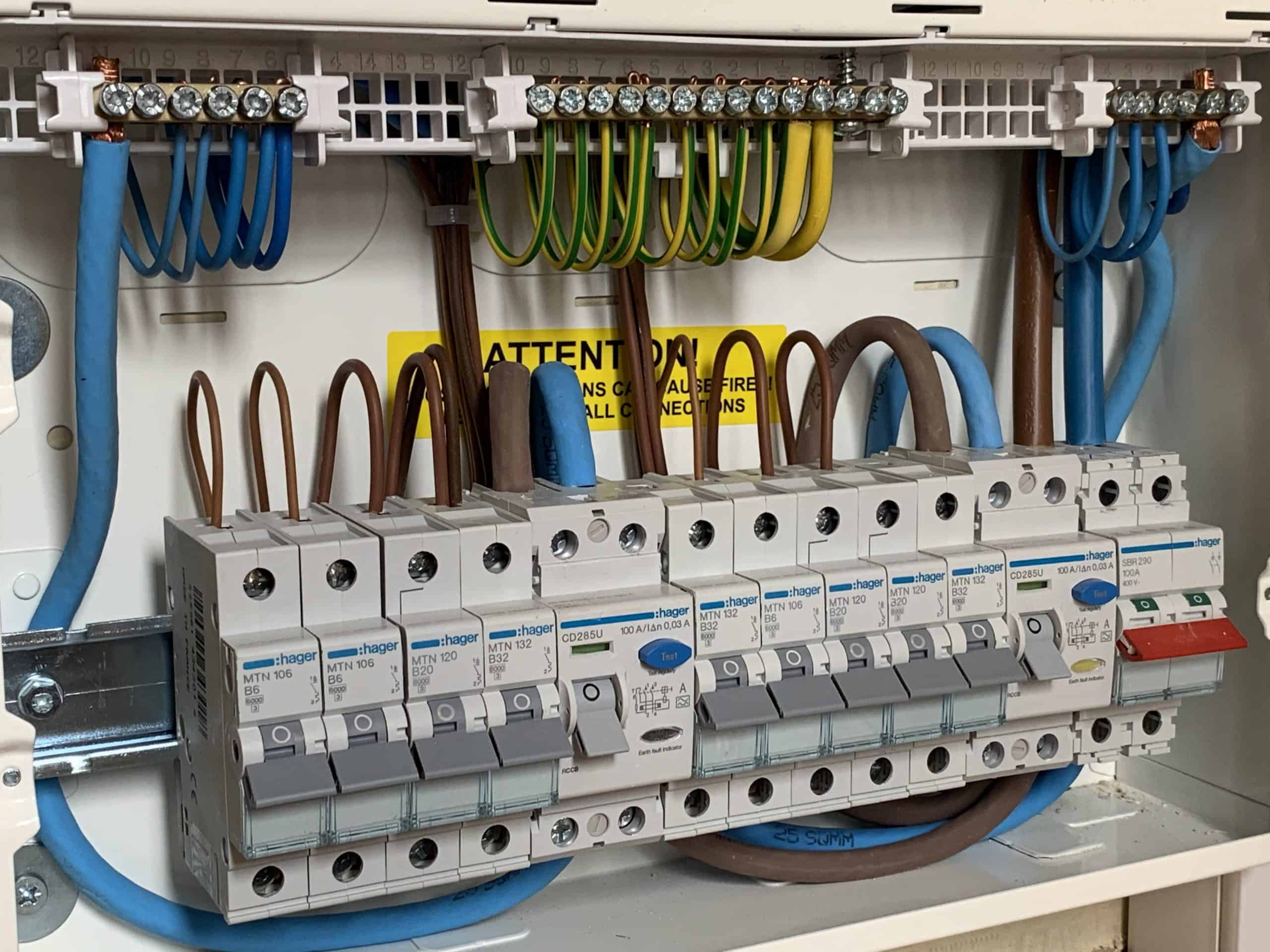
Your landlord is legally required to have the fixed electrical installation in your rented flat inspected and tested by a qualified electrician registered with a competent person scheme (NICEIC, NAPIT, or ELECSA). This inspection produces an EICR — Electrical Installation Condition Report — which assesses the condition of the consumer unit (fuse board), all fixed wiring circuits, earthing and bonding, socket outlets, light fittings, and fixed electrical appliances such as electric showers and cookers.
The landlord must provide you with a copy of a valid EICR before or at the start of your tenancy for new tenancies. For existing tenancies, the landlord must provide a copy within 28 days of each inspection. You are also entitled to a copy of the previous EICR on request. If you ask for a copy of the EICR and your landlord cannot produce one, or produces one that is more than five years old, they may be in breach of the regulations.
What the EICR Means for Your Safety
The EICR will be classified as either satisfactory or unsatisfactory. A satisfactory report means the fixed wiring has been assessed as safe and compliant with current standards. An unsatisfactory report means that one or more issues have been identified that require remedial action. Observation codes in the report tell you how serious the issue is: C1 means immediate danger present (should have been made safe before the report was issued); C2 means a potential danger that requires remediation within 28 days; C3 means an improvement is recommended but is not a safety concern; FI means further investigation is needed. If your EICR shows C1 or C2 observations, your landlord is required to carry out the remedial works within 28 days and provide you with evidence that the work has been completed.
What to Do If You Have Electrical Safety Concerns
If you notice anything in your rented flat that concerns you from an electrical safety perspective — sparking sockets, frequently tripping circuits, burning smells from outlets, flickering lights, or an obviously damaged consumer unit — you should report this to your landlord or managing agent in writing (email is fine) as soon as possible. Keep a copy of your correspondence. If the landlord does not respond or refuses to address the issue, you can contact your local council housing department. London borough councils have enforcement powers under the Housing Health and Safety Rating System (HHSRS) and can require landlords to carry out remedial works, including electrical repairs, where the property presents a Category 1 hazard.
Your Landlord Cannot Cut Off Your Electricity
Under Section 1 of the Protection from Eviction Act 1977 and Section 27 of the Landlord and Tenant Act 1985, your landlord cannot cut off or interfere with your electricity supply as a way of pressuring you to leave the property or to comply with any demand. Doing so constitutes unlawful harassment and eviction, for which the landlord can face criminal prosecution and civil liability. If your electricity is cut off by your landlord, contact your local council and Citizens Advice immediately.
Electrical Safety and Your Deposit
A landlord cannot legitimately charge you for pre-existing electrical safety defects through a deposit deduction. If an EICR carried out at the end of your tenancy finds faults that were present when you moved in — which a move-in EICR or the existing report will confirm — these cannot be attributed to you. Ensure you obtain and retain a copy of the EICR provided at the start of your tenancy, as this documents the condition of the installation when you took up residence.
PAT Testing and Landlord-Provided Appliances
If your landlord provides portable electrical appliances — kettles, toasters, washing machines, fridges, or any other portable electrical equipment — there is no specific statutory requirement for PAT (Portable Appliance Testing) in residential lets, though the Homes (Fitness for Human Habitation) Act 2018 requires that the property and all items within it that come with the tenancy are safe. In practice, most reputable London landlords do arrange PAT testing for their provided appliances. If you have concerns about the safety of a landlord-provided appliance, report it in writing and, if it appears dangerous, stop using it and request a replacement. An electrical appliance that sparks on connection, has a damaged cable, or shows signs of overheating is not safe to use.
Carbon Monoxide and Smoke Alarms: Your Rights
The Smoke and Carbon Monoxide Alarm (Amendment) Regulations 2022 require your landlord to install a working smoke alarm on every floor used as living accommodation and a carbon monoxide alarm in every room with a fixed combustion appliance — which includes any room with a gas boiler, gas fire, or gas cooker. Your landlord must test these at the start of the tenancy. If you find that alarms are missing or not working when you move in, report this immediately in writing. The regulations also require your landlord to replace any alarm that is reported as not working and that cannot be repaired by replacing the battery.
Getting Help If Your Landlord Is Not Complying
If your landlord is not providing the required electrical safety documentation or is not addressing electrical safety concerns you have raised, the following organisations can help: your local borough council housing team (enforcement powers under Housing Act 2004); Citizens Advice (free legal guidance on tenant rights in London); Shelter (housing charity with advisors across London); and the First-tier Tribunal (Property Chamber) for disputes about landlord obligations. In cases of immediate electrical danger, contact your local council for emergency housing enforcement action — councils can intervene quickly where there is a Category 1 hazard under the HHSRS.