Gas Safety Compliance in London Care Homes: Legal Duties and Practical Requirements
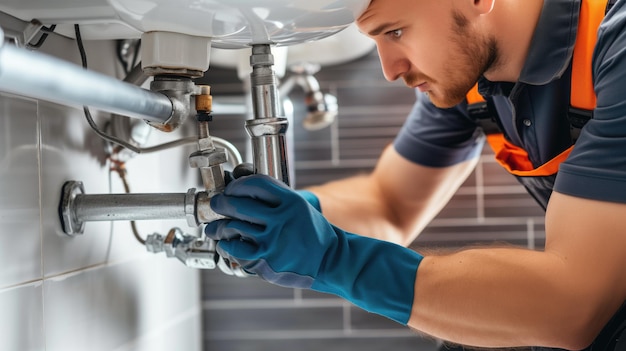
London care homes and residential care facilities have heightened gas safety obligations due to the vulnerability of their residents. This guide covers the legal duties, inspection frequencies, and documentation requirements.
Why Gas Safety Is a Heightened Priority in London Care Homes
London care homes and residential care facilities operate under an elevated duty of care relative to standard commercial premises because the people residing in them are frequently unable to protect themselves from gas-related hazards. Elderly residents, residents with dementia, and residents with significant physical disabilities may be unable to recognise the symptoms of carbon monoxide exposure, unable to evacuate in response to a gas smell, or unable to communicate a concern to staff. This heightened vulnerability means that gas safety failures in a care home carry a greater risk of serious injury or death than the same failure in premises occupied by able-bodied adults, and it means that the standard of gas safety management expected of a care home operator is correspondingly higher.
The Care Quality Commission, which regulates care homes in England, includes the safety of the physical environment as a component of its inspection framework. A CQC inspector who finds that a London care home has allowed its gas safety certificates to lapse, that a gas appliance has been identified as unsafe and not remediated, or that carbon monoxide detectors are absent or non-functional, will record these as regulatory failures that affect the rating of the service. A care home that receives a Poor rating from the CQC as a result of safety failures faces significant commercial and reputational consequences in addition to the direct regulatory action.
Gas Safety Inspection Frequency for London Care Homes
The minimum gas safety inspection frequency for a London care home is annual, consistent with the requirements of the Gas Safety (Installation and Use) Regulations 1998 for any premises with gas appliances. However, care homes typically operate gas plant at a significantly higher intensity than most commercial premises. A care home boiler or boiler plant system provides heating and hot water continuously, twenty-four hours a day, three hundred and sixty-five days a year, in order to maintain comfortable and safe temperatures for vulnerable residents. A boiler operating at this intensity accumulates running hours at many times the rate of a comparable boiler in an office or retail premises, and the servicing interval should reflect this.
Many care home operators in London adopt a six-monthly service and inspection programme for their primary heating plant. This provides an additional check on combustion performance, heat exchanger condition, and water treatment during the year, and allows emerging problems to be caught before they escalate into a breakdown that leaves residents without heating or hot water. The additional cost of a six-monthly service relative to annual servicing is modest compared to the cost of an emergency breakdown, the disruption to residents, and the potential CQC regulatory consequences of a prolonged loss of heating in a care home.
Gas Appliance Inventory and Documentation in London Care Homes
A London care home should maintain a comprehensive gas appliance inventory covering every gas appliance on the premises. This typically includes the main boiler or boiler plant room, domestic hot water calorifiers or water heaters, kitchen cooking equipment including commercial ranges and ovens, laundry equipment with gas-fired dryers, and any gas-fired back-up heating in specialist areas of the building. Each appliance should have its own service record, and the overall gas safety documentation should be accessible to the manager and to inspectors without requiring a search through multiple filing systems.
Carbon monoxide detectors should be installed in all rooms that contain fixed gas appliances, and in the corridors and resident rooms adjacent to plant rooms and kitchens. The Smoke and Carbon Monoxide Alarm (England) Regulations 2022 set a minimum standard for carbon monoxide alarm provision in rented residential premises, and a care home that accommodates residents should be treating this standard as a minimum, not a target. Regular testing and logging of carbon monoxide detector function should be part of the care home safety management routine. Prestige Engineers provide annual and six-monthly gas safety inspections for London care homes and can design and install comprehensive carbon monoxide detection systems for care facilities.
Emergency Gas Safety Procedures in London Care Homes
Every London care home should have a documented gas emergency procedure that all staff are trained to follow. The procedure should specify the action to take if a gas smell is detected, including isolating the supply at the emergency control valve, evacuating residents in accordance with the fire evacuation plan, ventilating the affected area by opening windows and doors, and calling the National Gas Emergency Service on 0800 111 999. The location of the emergency control valve should be clearly marked, and staff should be able to locate and operate it without delay. The emergency procedure should be reviewed at least annually and updated whenever there are changes to the gas installation or the building layout. Staff training records for gas emergency procedures should be retained as part of the care home safety management documentation.
Keep reading