Drainage Problems in London Basement Flats: Causes, Responsibilities & Solutions
Basement flats face unique drainage challenges. Learn about surcharging sewers, Thames Water's responsibilities, flood risk, and how to protect your property.
London has tens of thousands of basement flats, many converted from Victorian and Edwardian houses originally built without below-ground habitation in mind. Their drainage systems operate at the lowest point of the building — and often very close to, or below, the level of the public sewer in the street. This creates a specific set of problems that above-ground tenants and homeowners simply do not face.
Why Basement Flats Are More Vulnerable
Standard drainage relies on gravity: wastewater flows downhill from the property to the public sewer. In a basement flat, the drainage level may be at or below the invert (floor level) of the street sewer. When the public sewer is under pressure — during heavy rainfall, blockages, or peak usage — wastewater can back up through the basement flat's drain connections rather than draining away.
This is called surcharging, and in London's combined sewer network (which carries both surface water and foul water in the same pipe), it is a recognised flood risk for basement properties.
Common Drainage Problems in London Basements
- Drain surcharging: Sewage backs up through floor gullies, toilets, or shower trays — most common during and after heavy rainfall
- Slow drainage: Partial blockages in private drain runs, often compounded by the low-gradient pipework typical of basement conversions
- Root ingress: Older clay drainage below London's densely planted streets is frequently compromised by tree roots, particularly in leafy boroughs
- Collapsed or displaced pipes: Victorian-era pitch fibre and clayware drains in London have a high failure rate after 100+ years in service
- Inadequate venting: Basement conversions sometimes lack properly designed drain venting, leading to trap seal loss and foul odours entering the flat
Thames Water's Responsibilities vs. Your Responsibilities
Understanding the boundary of responsibility is critical before spending money on drainage works:
- Thames Water (or your water company) is responsible for: All public sewers — the pipes in the street and any lateral drain that serves more than one property, from the point where it connects to the public sewer
- You (or your landlord) are responsible for: The private drainage serving your property only — from the building to the point where it connects to a shared or public sewer
If a surcharging event is being caused by the public sewer operating over capacity, Thames Water is the responsible party and should be notified. They maintain a sewer flooding register — if your property floods from a sewer more than once, you can apply for free flood protection measures including non-return valves fitted at Thames Water's expense.
Anti-Flood Solutions for Basement Drainage
Where surcharging is a confirmed risk, several engineering solutions can protect the property:
- Anti-flood valves (non-return valves): Fitted in the drain run, these allow water to flow out but close automatically when back-pressure develops from the sewer. Essential for high-risk basements.
- Sewage pumping stations (sewage ejector systems): Where drainage is genuinely below sewer level, a macerator pump or packaged pumping station lifts waste to sewer level. These require electrical supply and annual maintenance.
- Flood barriers: Removable or permanent flood barriers at door thresholds and air bricks can mitigate surface water ingress during extreme rainfall events.
Insurance Implications
Standard home insurance policies vary significantly in their treatment of sewer flooding. Some exclude it entirely; others cover it as an optional extra. London basement flat owners should explicitly check their policy wording for "drain surcharging" and "sewer flooding" before assuming cover exists. Properties on the Thames Water sewer flooding register often attract higher premiums but may qualify for subsidised flood protection works.
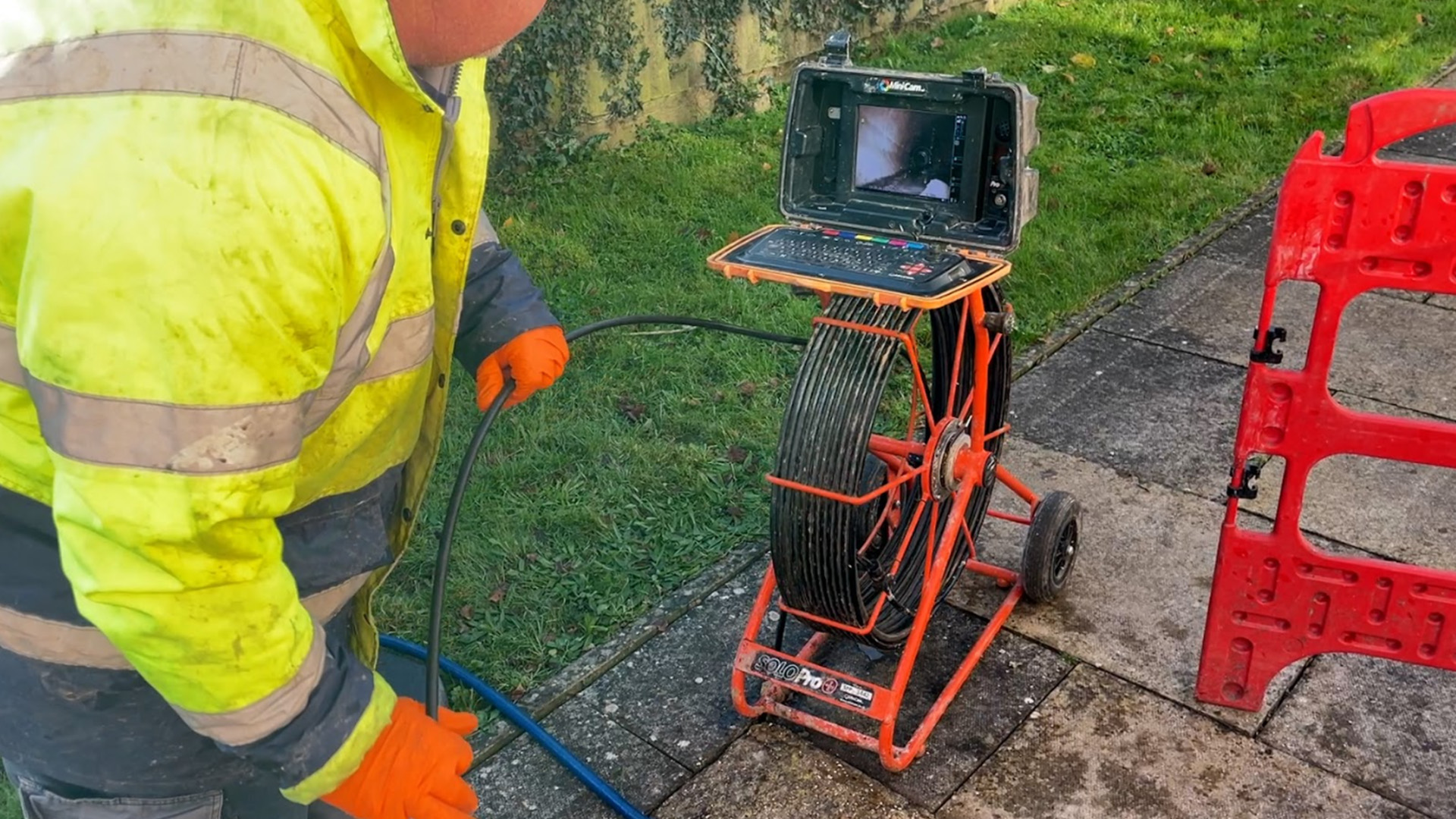
A CCTV drainage survey is the most cost-effective first step if you are experiencing recurring drainage problems in a London basement. It will definitively identify whether the issue is within your private drain run — and therefore your responsibility — or in the public sewer network.
Keep reading