Limescale Prevention in London — How to Protect Your Boiler, Taps and Appliances
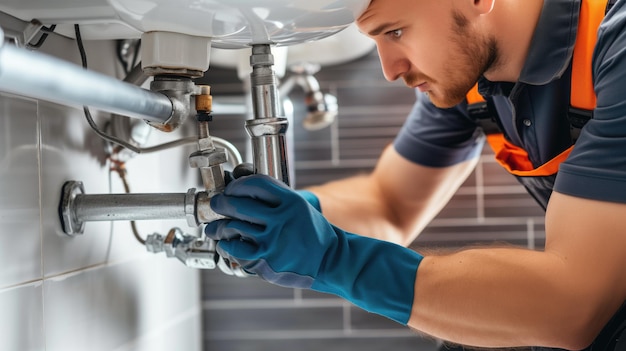
London has some of the hardest water in the UK. Without limescale protection, boilers, taps, showers, and appliances in London homes scale up within 12-18 months. This guide covers every practical prevention method with costs and effectiveness.
How Hard Is London Water?
London's water hardness ranges from 250-350mg/l calcium carbonate — classified as "hard" to "very hard." For context:
- Soft water: under 100mg/l
- Moderately hard: 100-200mg/l
- Hard: 200-300mg/l
- Very hard: over 300mg/l
The Thames Valley chalk geology that London's water supply comes from makes scale inevitable without treatment. The white deposits on your kettle, shower head, and taps are calcium carbonate — the same compound that blocks heat exchangers, restricts shower heads, and eventually causes combi boiler failure.
What Scale Does to Each Appliance
- Combi boiler heat exchanger: 1mm of scale reduces heat transfer efficiency by 10%; 3mm causes hot water temperature fluctuations and eventual blockage; 5mm causes complete failure. Average London combi: starts kettling at 3-5 years without treatment
- Shower head: Flow reduction of 30-50% within 12 months of installation in London postcodes with hardness over 300mg/l
- Kettle: Scale insulates the element — increases energy use by 8-12%
- Washing machine and dishwasher: Scale builds on heating elements — reduces efficiency and shortens appliance life
- Taps and mixers: Internal cartridges scale up, causing stiff operation and eventual cartridge failure
Scale Prevention Options
Option 1: Magnetic or Electronic Scale Inhibitor (£80-150 installed)
Magnetic units (fitted to the cold water supply) use magnetic fields to alter calcium carbonate crystal formation, making it less adhesive. Effectiveness is debated — independent studies show mixed results. They do not soften water or remove minerals. Best for low-cost protection on a budget.
Option 2: Scale Reducer / Polyphosphate Dosing Unit (£100-200 installed)
A polyphosphate dosing unit (such as Combimate or Fernox Copal) adds a small, food-grade dose of polyphosphate to the water. Polyphosphate sequesters calcium ions, preventing crystalline scale formation. These are required by Worcester Bosch and Vaillant to maintain boiler warranties in hard water areas.
Option 3: Water Softener (£1,000-2,500 installed)
A salt-regenerating water softener removes calcium and magnesium ions entirely, replacing them with sodium ions. The result is genuinely soft water throughout the property. Scale buildup on all appliances is eliminated. Requires a dedicated hard water supply for drinking water (softened water is high in sodium). Most effective long-term protection — significant ongoing salt cost (£100-200/year).
Option 4: Reverse Osmosis Under-Sink Unit (£300-600 installed)
Treats drinking water under the kitchen sink — not a whole-house solution, but eliminates limescale from kettles and drinking water appliances. Does not protect the boiler or showers.
Frequently asked questions
What is the best limescale protection for a London combi boiler?
A Combimate or Fernox Copal polyphosphate scale reducer fitted on the cold water inlet to the boiler is the standard and manufacturer-required solution in London hard water areas. It costs £100-200 fitted and protects the boiler heat exchanger. Worcester Bosch and Vaillant warranties require a scale reducer to remain valid in hard water areas. A full water softener gives better protection but at 5-10x the cost.
How often should I descale appliances in London?
Kettle: when visible scale is present (every 3-6 months in very hard London postcodes). Shower head: remove and soak in white vinegar every 3-6 months. Washing machine: run an empty hot wash with a citric acid descaler every 3-6 months. Boiler: full system descaling is required when kettling noise starts — typically every 5-7 years in hard water areas without a scale reducer.
Does a water softener affect the taste of water?
Softened water can taste slightly different — slightly less "crisp" — as calcium is removed and sodium replaces it. Most softener installations include a separate mains cold tap at the kitchen sink for unsoftened drinking water, which preserves the cold tap taste while softening all other supply. This is the standard installation and recommended by water softener manufacturers.
Can I use vinegar to descale my boiler?
No — never pour vinegar or any acid directly into a boiler or heating system. Acid can damage pump seals, radiator valves, and internal boiler components. Boiler descaling is done by a Gas Safe engineer using a purpose-formulated descaling agent (such as Fernox DS40 or Sentinel X800) circulated through the system via the filling loop — a controlled chemical flush, not a DIY task.