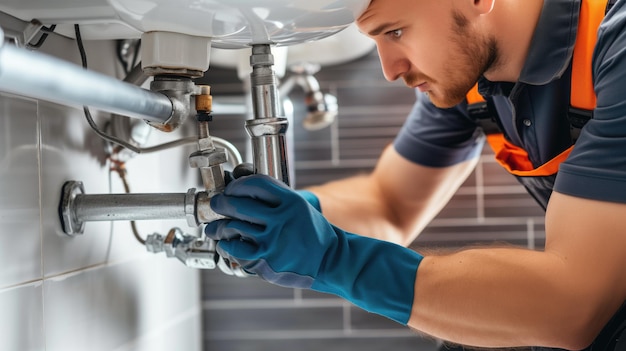
Kitchen plumbing is one of the elements most likely to be underplanned in a kitchen renovation. Understanding what the plumber does, in what sequence, and what Building Regulations requirements apply to gas hob connections helps you manage the project timeline, budget correctly, and avoid the expensive mistakes that come from getting the sequence wrong.
What Kitchen Plumbing Actually Involves
A kitchen renovation typically involves a broader range of plumbing connections than most homeowners anticipate at the planning stage. A complete kitchen plumbing scope typically includes:
- Hot and cold water supply to the sink: Isolation valves and flexible hoses connecting the sink mixer tap to the supply pipes, or direct connections for separate hot and cold taps.
- Sink waste connection: P-trap under the sink connecting to the waste pipe in the wall or floor. In London properties with solid floors, the waste pipe is typically run in the floor; in properties with suspended timber floors, through the floor void.
- Dishwasher supply and waste: Cold water supply to the dishwasher via an isolation valve and flexible hose; waste connection into the sink waste trap or a dedicated sparge pipe running to the drain.
- Washing machine supply and waste: Cold supply (and hot supply on older machines) via isolation valve; waste connection via a standpipe and trap to the drain. In kitchens where the washing machine is relocating as part of the renovation, new pipe runs to the new position are required.
- Boiling water tap: If specified, a boiling water tap (Quooker, Zip HydroTap) requires a dedicated cold supply, an electrical supply for the under-sink tank heater, and a waste connection. The under-sink tank and filter system requires space allocation in the kitchen design — confirm this with your kitchen designer before finalising the layout.
- Water softener: If a water softener is being installed as part of the renovation, it requires a connection to the incoming cold main before the branch points, a drain connection for regeneration discharge, and the mandatory bypass supply to the kitchen drinking tap (required under Water Supply Regulations).
- Gas hob connection: If the kitchen includes a gas hob — whether replacing an existing gas hob or converting from electric — this is a Gas Safe regulated connection and must be made by a Gas Safe registered engineer. This is not part of a standard plumber's scope unless they hold Gas Safe registration.
Sequencing: Why the Plumber Has Two Visits
The standard approach to kitchen plumbing involves two separate plumber visits — rough-in and fit-off — with the kitchen fitter's work between them. Getting this sequence right prevents expensive rework.
First Visit: Rough-In
The rough-in visit happens before the kitchen units are installed — in an empty room, or with only walls and floor in place. At this stage the plumber:
- Positions and terminates all supply pipes (hot and cold) at the correct locations for sink, dishwasher, washing machine, and any other appliances. Pipes are capped and the ends are positioned where they will be accessible behind the planned unit positions.
- Connects or positions waste pipework — connecting the new waste run to the soil stack or drain point, and terminating the waste at the correct position within the sink unit footprint.
- If the kitchen layout is changing (sink moving to a different position, waste relocating), all the pipework reconfiguration happens at rough-in stage, before units are fitted.
The rough-in visit is typically a half-day (three to four hours) for a standard kitchen where the layout is largely retained. A kitchen involving significant relocation of the sink or appliances takes longer.
Kitchen Fitter Stage
After the rough-in, the kitchen fitter installs the units, worktops, and appliances. The kitchen fitter works around the plumber's terminated pipe positions. This is why the rough-in must happen before the units go in — you cannot route supply pipes or waste connections after units are fitted and worktops are down without destructive removal.
Second Visit: Fit-Off
Once units and worktops are installed and the appliances are positioned, the plumber returns to complete the connections:
- Connect the sink mixer tap using flexible hoses and isolation valves to the capped supply pipes
- Fit the sink waste trap (P-trap) and connect to the waste pipe
- Connect the dishwasher supply valve and waste hose
- Connect the washing machine supply valve and waste standpipe
- Connect any boiling water tap or water softener plumbing
The fit-off visit is also typically a half-day for a standard kitchen, assuming the rough-in was done correctly and the appliances are in their planned positions.
Gas Hob: Building Regulations and Gas Safe Requirements
A gas hob installation or connection in a UK kitchen is notifiable work under both Building Regulations and the Gas Safety (Installation and Use) Regulations 1998. The gas connection must be made by a Gas Safe registered engineer — this is a legal requirement, not a professional recommendation. An unlicensed person making a gas connection is committing a criminal offence.
Practical implications:
- If your kitchen plumber is not Gas Safe registered, they cannot make the gas hob connection. You will need a separate Gas Safe engineer for that specific connection.
- Many plumbing and heating engineers hold Gas Safe registration — confirm this when booking if gas work is part of your scope.
- The Gas Safe engineer who makes the hob connection must issue a Gas Safety Certificate (or appropriate commissioning documentation) for the installation.
- If you are converting from an electric hob to a gas hob, a gas supply pipe must be extended to the hob position. This is also Gas Safe work — the pipe extension cannot be done by an unregistered operative.
Under-Sink Connections: What Is Fitted
The under-sink area in a completed kitchen typically contains:
- Isolation valves: Quarter-turn ball valves on both hot and cold supply pipes, allowing the tap to be isolated for maintenance without turning off the whole house supply.
- Flexible hoses: Braided stainless steel flexible connections from the isolation valves to the tap tails. These allow slight misalignment to be accommodated and are easier to replace than rigid pipe connections.
- P-trap: The bottle trap or P-trap under the sink, connecting the sink waste to the waste pipe. This contains the water seal that prevents sewer gases entering the kitchen.
- Dishwasher sparge: If the dishwasher drains into the sink waste, a sparge connection (a T-piece with a non-return valve) is fitted into the waste assembly above the P-trap. If the dishwasher has its own dedicated waste point, this may not be required.
Typical Timescales and Cost
For a standard London kitchen renovation with retained layout (sink in the same position, standard appliance connections):
- Rough-in: three to four hours
- Fit-off: three to four hours
- Total plumber time: approximately one day spread across two visits
For a kitchen with a relocated sink, new waste runs, or multiple appliance connection points (washing machine, dishwasher, boiling water tap, water softener):
- Rough-in: five to seven hours
- Fit-off: four to five hours
Cost: Kitchen plumbing for a standard London renovation (two visits, standard connections, no significant pipe rerouting) typically costs £400–£800. Kitchens with sink relocation, new waste runs through solid floors, or multiple appliance connections are at the upper end or above. Gas hob connection by a Gas Safe engineer adds £150–£250 to the cost if not included in the main plumber's quote.
Frequently asked questions
Why does the plumber need two visits for a kitchen renovation?
Kitchen plumbing requires a rough-in visit before units are installed and a fit-off visit after units and appliances are in place. At rough-in, the plumber positions and terminates all supply and waste pipes before the kitchen fitter works — this is the only time the pipes can be routed correctly without removing finished cabinetry. At fit-off, the plumber returns to make the final connections (tap, waste trap, appliance hoses) once everything is in its final position. Attempting to do all plumbing in one visit either before or after kitchen fitting invariably means unnecessary rework.
Does a gas hob need a Gas Safe engineer to install it?
Yes — connecting a gas hob to the gas supply is regulated work under the Gas Safety (Installation and Use) Regulations 1998 and must be carried out by a Gas Safe registered engineer. This applies whether the hob is being connected to an existing gas supply point or a new gas pipe run is needed. A gas connection made by an unregistered person is unlawful, uninsurable, and cannot be certified. Confirm that your kitchen plumber holds Gas Safe registration if gas work is in scope; if not, a separate Gas Safe engineer must be engaged for the hob connection.
How much does kitchen plumbing cost in a London renovation?
Kitchen plumbing for a standard London renovation — rough-in and fit-off for a sink, dishwasher, and washing machine in an existing layout — typically costs £400–£800 for both visits combined. A kitchen involving sink relocation, new waste runs through a solid floor, or additional connections (boiling water tap, water softener) is at the upper end or above this range. Gas hob connection adds £150–£250 if handled by a separate Gas Safe engineer. Always obtain a plumbing quote that clearly specifies whether it covers both rough-in and fit-off visits.
What does a plumber install under a kitchen sink?
Under a completed kitchen sink, the plumber typically fits: isolation valves (quarter-turn ball valves) on both hot and cold supply pipes; braided flexible hoses connecting the isolation valves to the tap tails; a P-trap or bottle trap connecting the sink waste to the waste pipe; and a sparge connection or T-piece if the dishwasher drains into the sink waste assembly. If a water softener or boiling water tap is installed, additional valves, filter housings, and connections are also located under the sink, so space allocation in the kitchen design must account for all of these components.