How to Read Your Boiler Pressure Gauge (And When to Call an Engineer in London)
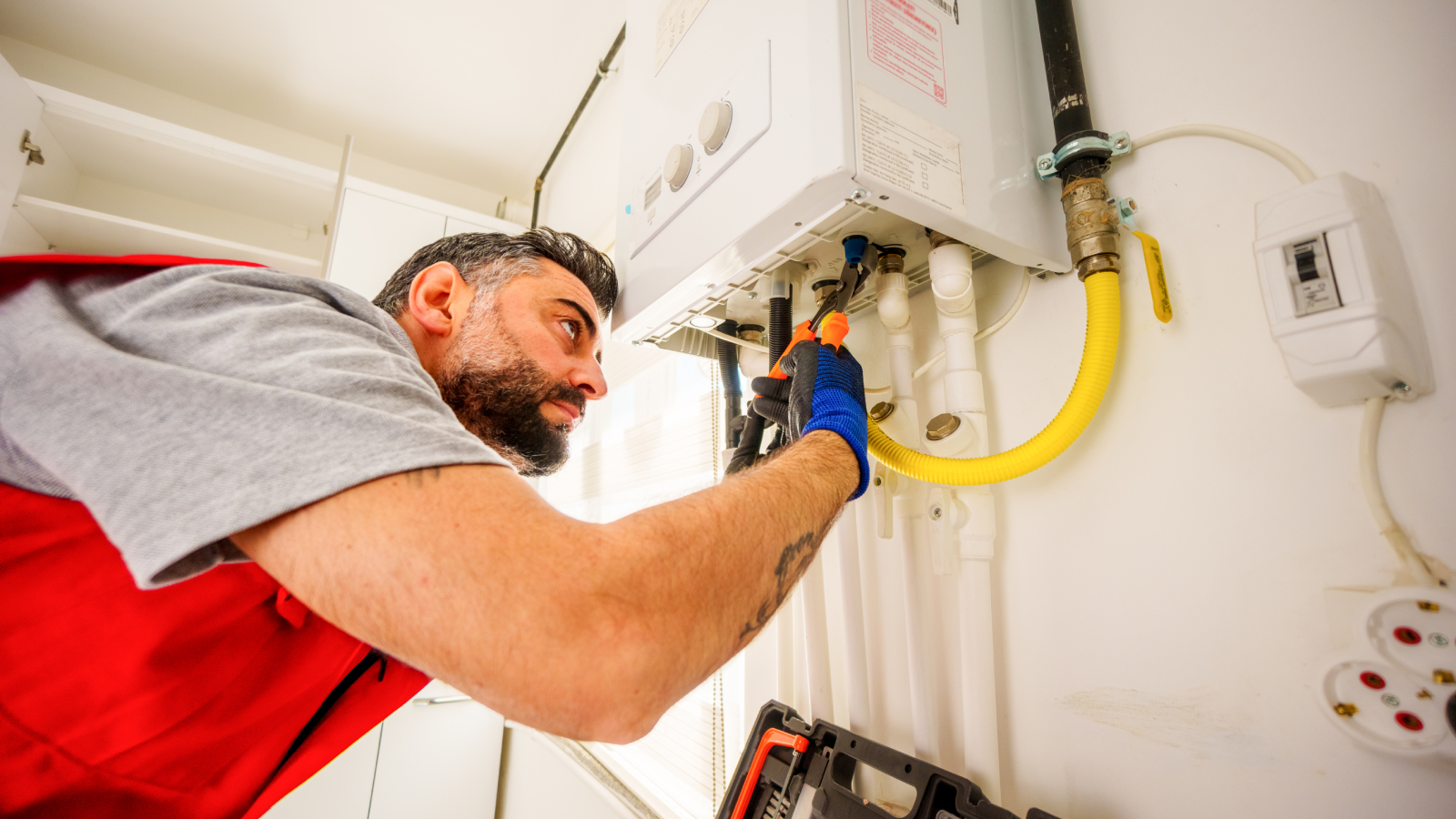
Learn what your boiler pressure gauge is telling you, the ideal 1–1.5 bar range, how to repressurise safely, and when a London engineer is needed.
Your boiler's pressure gauge is one of the most useful indicators of your central heating system's health — yet most London homeowners rarely glance at it until something goes wrong. Understanding what it shows can save you an emergency call-out fee and help you spot a developing problem before it becomes costly.
What Does the Pressure Gauge Show?
The gauge measures the water pressure inside your sealed central heating system, expressed in bar. Most modern combi and system boilers display this either via a traditional needle gauge or a digital readout on the control panel. The number tells you how much pressurised water is sitting in your pipework and radiators at rest.
What Is the Ideal Boiler Pressure?
For the vast majority of domestic boilers in London properties — whether a compact combi in a Hackney flat or a system boiler serving a Wimbledon townhouse — the correct cold pressure sits between 1.0 and 1.5 bar. When the heating is running and the water is hot, pressure will naturally rise slightly, typically to around 2 bar. This is normal and expected.
- Below 0.5 bar: Too low — the boiler may lock out and refuse to fire
- 1.0–1.5 bar: Ideal cold pressure
- 1.5–2.5 bar when hot: Normal operating range
- Above 3 bar: Overpressure — the pressure relief valve may discharge
How to Repressurise Your Boiler
If the gauge reads below 1 bar and your boiler has locked out or your radiators are cold, repressurising is often a straightforward DIY task. You will need to locate the filling loop — a flexible braided hose with one or two valves, usually found beneath the boiler or in the airing cupboard.
- Ensure the boiler is switched off and cool
- Attach the filling loop if it is a separate flexible type
- Slowly open both valves to allow mains water into the system
- Watch the gauge rise to 1.2–1.5 bar, then close both valves
- Switch the boiler back on and reset if necessary
If the pressure drops repeatedly within days, water is escaping somewhere — this requires a professional leak trace, not repeated refilling.
When to Call a London Heating Engineer
Repressurising once or twice a year is perfectly normal due to minor air release. However, call a Gas Safe registered engineer if:
- Pressure drops more than once a month
- You cannot locate the filling loop or valves
- Pressure exceeds 3 bar and the pressure relief valve is discharging (look for a pipe dripping outside)
- The boiler shows error codes alongside pressure loss
- There is visible dampness around the boiler, pipework, or radiator valves
London's older housing stock — particularly Victorian and Edwardian terraces with original pipe runs — is especially prone to pinhole leaks that cause gradual pressure loss. A Power Flush combined with a leak inspection can resolve persistent low-pressure issues in one visit.
A Note on Expansion Vessels
Chronic overpressure when the heating runs — where the gauge regularly exceeds 3 bar — often points to a failed expansion vessel or pressure relief valve rather than a user error. The expansion vessel absorbs the increase in water volume as it heats; if its internal membrane has failed, pressure spikes. This requires an engineer and is not a DIY fix.
Understanding your pressure gauge takes less than a minute but can prevent boiler lockouts, cold mornings, and unnecessary call-out charges. Check it monthly alongside your carbon monoxide alarm test and you will stay ahead of most common boiler issues.