How to Prepare Your London Property for an EICR: What to Clear, What to Expect, and How to Speed Up the Visit
A practical guide to preparing a London property for an Electrical Installation Condition Report — what access the engineer needs, what to clear, how long it takes, and what happens after.
What Access Does the EICR Engineer Need?
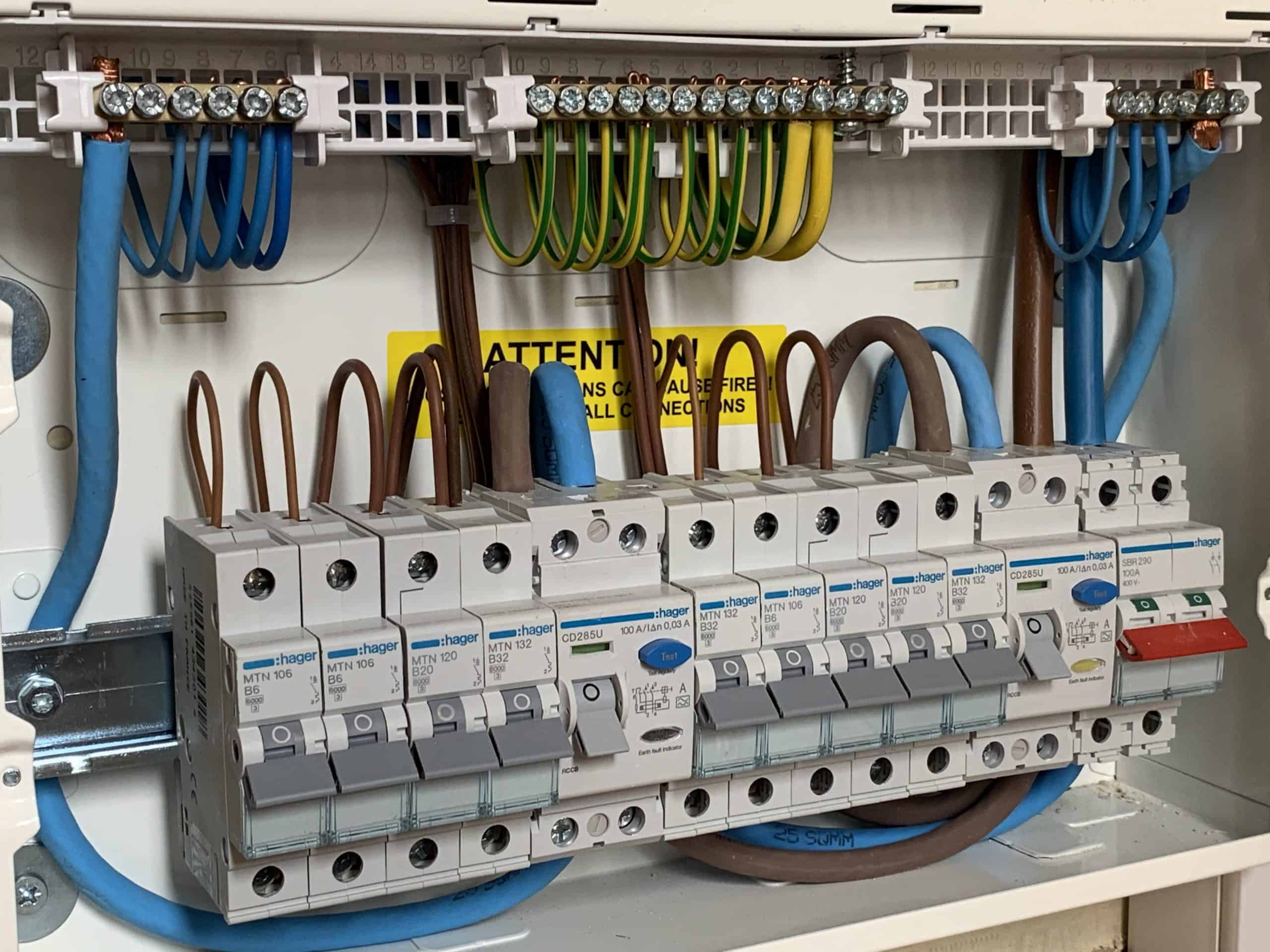
An EICR (Electrical Installation Condition Report) requires the engineer to access every part of the fixed electrical installation in the property. This means access to the consumer unit (fuse board), which must be reachable without furniture blocking the front panel. It means access to every socket outlet, light switch, ceiling rose and light fitting — including those behind furniture and inside fitted wardrobes. It means access to the loft if there is any electrical wiring there (loft lighting, aerial connections, immersion heater connections in some older properties). And it means access to any external circuits — garden sockets, garage sub-circuits, outdoor lighting.
The engineer will also need access to the earthing and bonding connections: the main earth terminal (typically at the consumer unit), and the main equipotential bonding conductors to the gas and water services (typically visible at the meters or at the point where the services enter the building). These are often tucked into cupboards and may be obscured by pipework insulation or storage. Clearing the area around the meters and the consumer unit before the engineer arrives saves time on the day.
How to Prepare the Property
Move furniture away from socket outlets on all walls to give the engineer clear access to test each one. This is particularly important in bedrooms where beds and wardrobes are typically pushed against walls. Move items stored on or around the consumer unit. Clear any items stored in the loft if the engineer needs to access wiring there. Ensure all light fittings are accessible — lampshades that are difficult to remove should be taken off in advance to give access to the ceiling rose connections. In properties with a purpose-built utility room or boiler cupboard, clear the shelf space around the consumer unit and any electrical connections in that area.
For tenanted properties, give tenants sufficient notice — at least 24 hours by law under the Landlord and Tenant Act 1985, though 48 hours is more considerate for a visit that requires moving furniture. A landlord EICR is not an inspection of the tenant belongings or the tenant responsibilities; it is an inspection of the electrical installation. Explain this clearly to tenants who may be concerned about access.
How Long Does an EICR Take?
A standard EICR on a one or two-bedroom London flat with a single consumer unit typically takes two to four hours. A three or four-bedroom house with more circuits, more socket outlets, and potentially a garage or outbuilding sub-circuit will take four to six hours. Larger Victorian terraces converted into multiple flats, or properties with complex wiring histories (multiple additions, changes of use), may take a full day. The engineer should give a time estimate when booking — if the actual inspection reveals more complexity than expected, a good engineer will communicate this during the visit rather than rushing the test to fit a schedule.
What Happens After the EICR?
After the inspection, the engineer completes the EICR report, which classifies any defects found as C1 (danger present — immediate action required), C2 (potentially dangerous — urgent remedial action), C3 (improvement recommended — not immediately dangerous), or FI (further investigation required). An EICR with only C3 observations is classified as satisfactory for the purposes of the Electrical Safety Standards Regulations. An EICR with C1 or C2 observations is unsatisfactory and remedial work must be completed within 28 days, after which a new EICR is issued confirming the work is done.
For landlords, provide a copy of the EICR to each tenant within 28 days of the inspection date. Retain the original for your records. The next EICR is due within five years, or earlier if the report specifies a shorter interval or if there is evidence of damage to the installation in the interim.