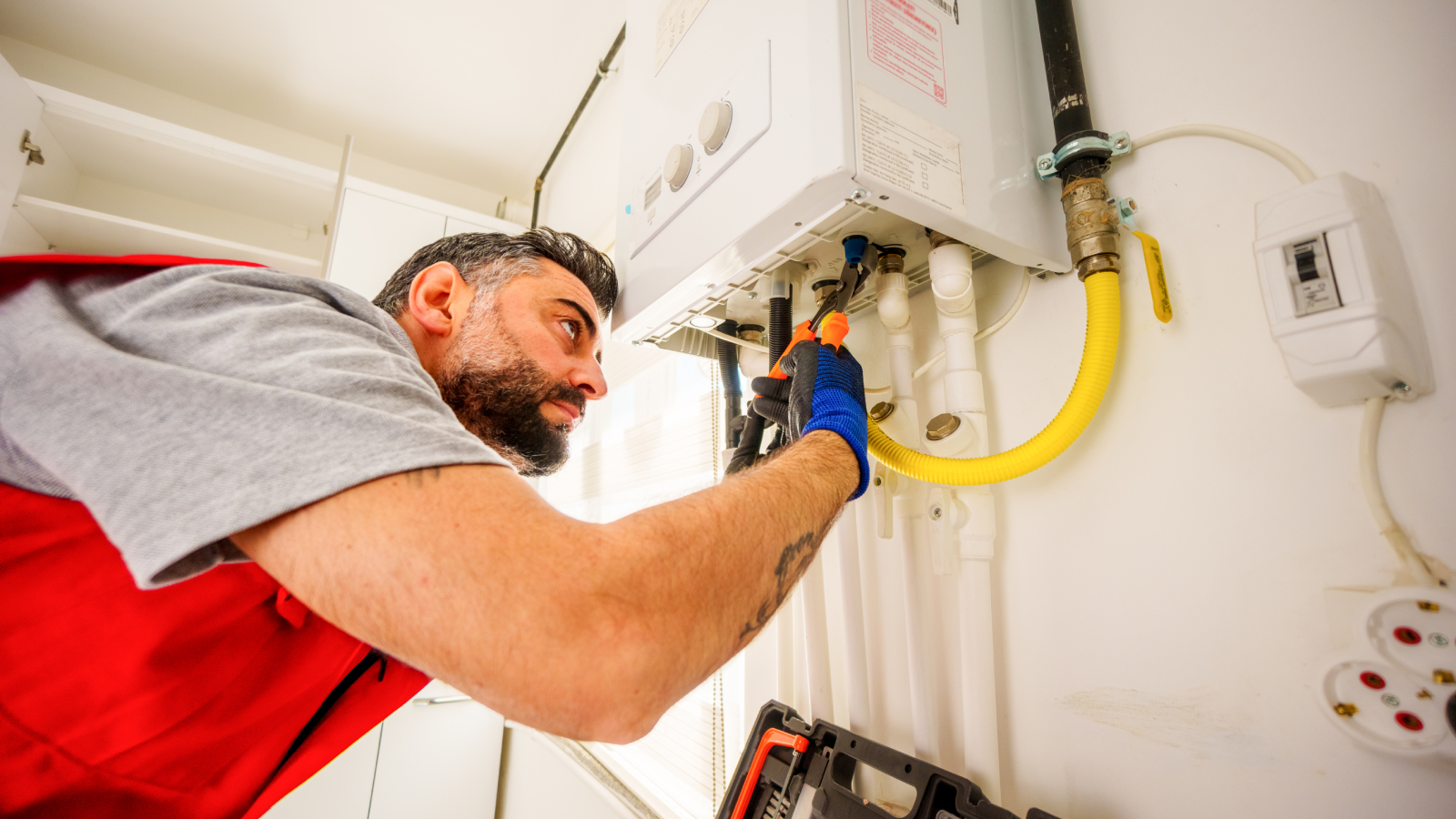
Glow-worm boiler showing an error? This guide covers all common Glow-worm fault codes including F1, F5, F22, F28, F29 and the d1/d5 diagnostic codes, with causes and next steps.
Glow-worm Boiler Fault Codes Explained
Glow-worm boilers are manufactured by the same parent company as Vaillant, so many fault codes are similar or identical. Glow-worm boilers use both F-codes (faults) and d-codes (diagnostics/status). Here are the most common ones.
F.22 — Low Water Pressure
F.22 is the most common Glow-worm fault code, indicating the system pressure has dropped too low. Standard minimum pressure is 0.8 bar; the boiler will lockout to prevent running dry.
Fix: Repressurise via the filling loop (usually under the boiler) until the gauge reads 1.5 bar. If pressure drops below 1 bar within a week, there is a system leak.
F.28 — Ignition Failure at Startup
F.28 means the boiler failed to ignite. This is identical in meaning to F1 on Ideal boilers and E168 on Baxi models — all refer to ignition lockout.
Common causes: Gas supply issue, failed ignition electrode, dirty burner, or PCB fault. Check gas supply first, then attempt one reset.
F.29 — Flame Failure During Operation
F.29 means the flame was established but then lost. This occurs during a heating or hot water call, causing the boiler to lockout mid-cycle.
Common causes: Gas valve fault, flame sensor (ionisation probe) contamination, or gas pressure fluctuation. More common in properties with older gas supply infrastructure.
F.5 — Overtemperature Safety Thermostat
F.5 indicates the safety thermostat has tripped due to excessive temperature in the heat exchanger. This is a serious condition — continued operation at these temperatures causes permanent heat exchanger damage.
Common causes: Blocked heat exchanger (from scale in hard water areas), seized pump, or closed lockshield valves on radiators.
F.1 — Burner Control Fault
F.1 on Glow-worm relates to the burner control board or PCB. This requires diagnostic equipment and usually board replacement.
d.1 and d.5 Status Codes
d-codes on Glow-worm boilers are status/diagnostic codes rather than faults:
- d.1: Boiler is in standby mode, no heating demand
- d.5: Boiler is running in anti-cycle mode (recently fired, waiting before firing again)
d-codes do not indicate a fault and the boiler is functioning normally when displaying these.
Glow-worm Boiler Reset Procedure
To reset a Glow-worm boiler: press the reset button (typically a flame symbol on the fascia) and hold for 3 seconds. The boiler will attempt to restart. If the fault code returns immediately, do not repeat — call a Gas Safe engineer.
For F.5 overheat conditions, allow the boiler to cool for 30 minutes before resetting. Resetting a hot boiler causes repeated thermal stress on the heat exchanger.
Frequently asked questions
What does F22 mean on a Glow-worm boiler?
F.22 means low system pressure. Check the pressure gauge — if it shows below 1 bar, repressurise using the filling loop to 1.5 bar. If pressure keeps dropping, call a Gas Safe engineer to find and fix the leak.
How do I reset a Glow-worm boiler?
Press and hold the reset button (flame symbol) on the boiler for 3 seconds. The boiler will attempt to restart. Only try resetting once or twice — repeated resets on a faulty boiler can cause additional damage.
Are Glow-worm fault codes the same as Vaillant?
Many are similar because both brands are owned by the Vaillant Group. F.28, F.29, and F.22 appear on both brands with the same meanings. However, older Glow-worm models may use different codes — check your boiler manual or call a Gas Safe engineer.
What does F5 mean on a Glow-worm boiler?
F.5 means the safety overheat thermostat has tripped. This is serious — let the boiler cool for 30 minutes before resetting. If it recurs, call a Gas Safe engineer urgently; repeated overheating causes heat exchanger failure, which is expensive to repair.