When a London property is left empty for a significant period, whether between tenancies, during renovation works, or following a bereavement, capping the gas supply at the meter is the standard safety measure recommended by Gas Safe registered engineers and insurers. Understanding the process, cost, and requirements for capping and uncapping helps property owners and executors manage empty London properties safely.
What Does Gas Capping Involve and When Is It Recommended?
Gas capping is the process of isolating the internal gas installation at the point where the gas supply enters the property from the meter, using a gas cap or plug that physically blocks the gas supply pipe and prevents gas from flowing into the property. Capping can be carried out at the emergency control valve adjacent to the meter, or a Gas Safe registered engineer can fit a cap at the gas entry point within the property. A properly capped gas installation means that even if the meter is left on or the emergency control valve is accidentally opened, no gas can flow into the property pipework.
Gas capping is recommended in several situations for London properties. Between tenancies, particularly where a property will be empty for more than a few weeks, capping the internal gas installation removes the risk of a gas escape from a defective appliance or fitting being discovered by no one. During major renovation works in London properties where gas appliances are being removed or replaced, the installation should be capped to prevent gas escapes from open pipe ends. Where a property is inherited and the executor or administrator does not know the condition of the internal gas installation, capping the supply until a full gas safety inspection can be carried out is prudent practice.
How a Gas Safe Engineer Carries Out a Cap in London
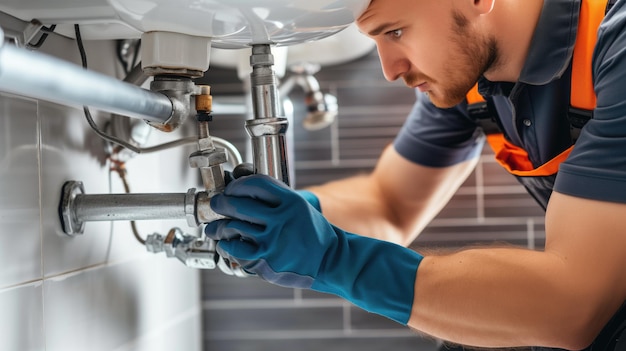
A Gas Safe registered engineer carries out a gas capping by first turning off the gas supply at the emergency control valve and confirming that all gas appliances in the property are off. The engineer will then purge any residual gas from the installation pipework, fit approved gas caps or plugs at the relevant isolation points, and test the installation with a gas pressure test to confirm that the caps are secure and that no residual gas is escaping. The engineer will provide a written record of the capping work carried out, including the location of each cap fitted and the pressure test result. This record is important for insurance purposes and for the Gas Safe engineer who subsequently carries out the uncapping and reinstatement of the installation.
The cost of gas capping for a standard London property where all appliances need to be isolated and the installation capped at the meter entry point is typically between 100 and 300 pounds depending on the number of appliances and the complexity of the installation. Prestige Engineers carry out gas capping and uncapping services across all London boroughs at short notice, providing the written documentation required by insurers and managing agents.
Insurance Requirements for Empty London Properties
Most standard buildings insurance policies for London properties contain conditions that apply when a property is unoccupied for a continuous period, typically 30 to 60 days or more. These conditions commonly require that the gas supply be turned off at the meter and, in some policies, that the internal gas installation be properly capped by a Gas Safe registered engineer. Failure to comply with the unoccupied property conditions of a buildings insurance policy may invalidate a claim if a gas-related incident occurs during the period of unoccupancy. London property owners and executors who are responsible for empty properties should review their insurance policy conditions and take the steps required to maintain cover.
Uncapping and Recommissioning an Empty London Property
When an empty London property is ready to be reoccupied, the gas installation must be uncapped and recommissioned by a Gas Safe registered engineer before any gas appliances are used. The recommissioning process involves removing the caps fitted during the capping procedure, pressure testing the installation to confirm there are no leaks in the pipework, purging the installation to remove air from the pipes, lighting pilot lights and checking the operation of all gas appliances, and issuing a Gas Safety Record if the property is to be let to tenants. The recommissioning visit also provides an opportunity for the engineer to identify any gas appliances that have deteriorated during the period of vacancy and may require servicing or repair before being put back into service.