Fuse Board Upgrade Cost London 2025: Consumer Unit Replacement Pricing Guide
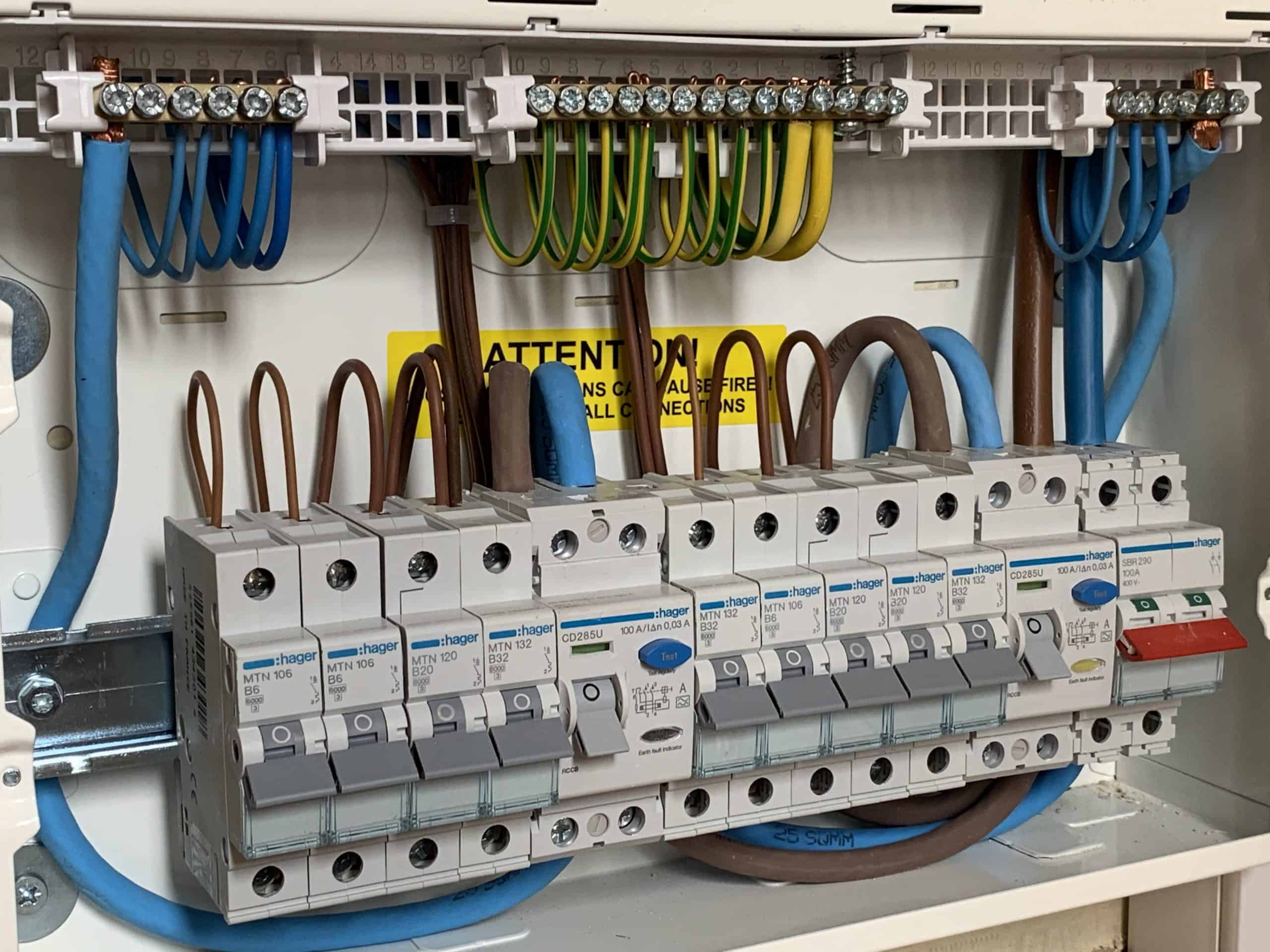
A transparent pricing guide to consumer unit (fuse board) replacement in London in 2025 — what affects cost, split-load versus RCBO boards, and what the job includes.
What Does a Fuse Board Upgrade Cost in London?
A fuse board upgrade — replacing the consumer unit in a London property — typically costs between £400 and £800 fully fitted and certified in 2025. The exact price depends on the type of board specified, the number of circuits being moved across, ease of access to the existing board, and whether any remedial wiring work is required at the same time. These are all-inclusive prices covering labour, materials, the new consumer unit, and the Electrical Installation Certificate (EIC) issued on completion.
A split-load dual RCD board is the more economical option, typically costing £400 to £600 fully installed. This type divides circuits between two RCDs — one protecting each half of the board. It is cheaper to supply and install than a full RCBO board but has a practical disadvantage: a fault on any circuit protected by one RCD will trip that RCD and cut power to all circuits on that half, not just the faulty one. For owner-occupied properties where cost is the primary consideration, a split-load board is usually acceptable. For HMO or multi-tenancy properties, an RCBO board is strongly recommended.
A full RCBO (Residual Current Breaker with Overcurrent) board typically costs £550 to £800 fully installed. Each circuit has its own RCBO combining both MCB and RCD protection in a single device. A fault on one circuit trips only that circuit — the rest of the property retains power. This is particularly valuable in HMO properties where a single tripped circuit affecting multiple tenants creates immediate complaints and potential harassment of tenants liability. RCBO boards are also preferred by landlords managing properties remotely, as a single circuit fault does not require an emergency visit to reset half the board.
What Factors Affect the Price?
Number of circuits is the primary cost driver. A standard one or two-bedroom London flat may have 6 to 10 circuits; a larger terraced house may have 12 to 18 or more. More circuits mean more RCBO devices (if fitting an RCBO board), more time to move circuits across, and a larger consumer unit enclosure. Most quotes specify the board size in ways (an 18-way board accommodates up to 18 circuit breakers); specify the board size that matches your circuit count with some spare capacity for future additions.
Access to the existing board also affects price. A consumer unit in an accessible utility room or understairs cupboard is straightforward to work on. A board inside a kitchen unit, behind built-in furniture, or in an awkward location takes more time. Older properties with the board mounted on timber battens with Victorian wiring require careful handling and sometimes additional remedial work to bring the cable terminations up to standard before the new board is connected.
Additional works discovered during the job — damaged tails between the meter and the board, undersized earthing conductors, or meter tails that need extending — add to the final cost. A good electrician will identify these during the survey and quote visit rather than presenting them as surprises on the day.
What the Job Includes
A properly priced fuse board upgrade in London should include: initial survey and quotation; supply of the new consumer unit (RCBO or split-load as specified); moving all circuits from the old board to the new one; testing each circuit after connection; completing the Electrical Installation Certificate (EIC) as required by Building Regulations Part P; and notifying Building Control via the Competent Person Scheme. The EIC is an important document — keep it with the property records and provide a copy to the next occupant or to a solicitor when selling. A consumer unit replacement without an EIC is non-compliant and the certificate cannot be backdated.
Part P and Building Regulations
All consumer unit replacements in domestic properties in England must comply with Building Regulations Part P (Electrical Safety in Dwellings). An NICEIC or NAPIT registered electrician who carries out the work under the Competent Person Scheme can self-certify and notify Building Control on your behalf, removing the need for a separate Building Control application. Always confirm that the electrician is registered under the scheme before booking — if they are not, you as the homeowner must make a Building Control application before work begins, which adds time and cost.