Frozen Pipes in London: Prevention, Thawing Safely, and What to Do When a Pipe Bursts
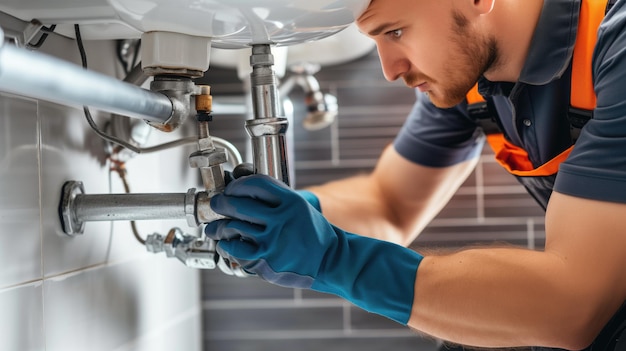
Frozen and burst pipes are one of the most common and costly plumbing emergencies in London homes during cold spells. This guide explains how to prevent pipes from freezing, how to thaw them safely if they do, and the immediate steps to take if a frozen pipe bursts.
Why Pipes Freeze in London Properties
Water expands by approximately nine percent when it freezes. A pipe full of water that freezes cannot expand, so the pressure inside the pipe increases dramatically until the pipe splits or a joint fails. The burst typically does not cause flooding while the pipe is frozen — it floods when the temperature rises and the ice melts, allowing water to flow freely from the split. This is why burst pipe flooding in London often occurs on the morning after a very cold night, or when a home is returned to after a period of absence during cold weather.
Pipes freeze when the temperature of the water in the pipe drops to zero degrees Celsius and remains there long enough for the full bore to freeze. This most commonly occurs in pipes in unheated loft spaces, pipes running along uninsulated external walls, pipes in garages or outbuildings, and pipes serving outdoor taps. In London, temperatures below minus five Celsius for more than 12 to 18 hours are typically sufficient to freeze unlagged pipes in exposed locations.
Prevention: The Most Effective Steps
Preventing pipes from freezing is substantially cheaper and less disruptive than repairing a burst. The most effective preventive measures are insulating all pipe runs in unheated spaces with foam pipe lagging, maintaining a minimum heating level in the property even when away (setting the thermostat to a minimum of 13 degrees Celsius is the commonly recommended frost protection setting), and draining down outdoor tap fittings before winter by isolating the internal supply and opening the external tap to drain the external section.
For properties left unoccupied over winter — inherited properties awaiting probate, rental properties between tenancies, or holiday homes — the responsible approach is either to maintain a minimum heating level throughout the cold season or to drain down the plumbing system entirely so there is no water in the pipes to freeze. A complete drain-down should be carried out by a plumber and involves opening all taps, draining the system at the lowest point, and blowing the supply lines clear. This is particularly important for London properties above the fourth floor where water pressure is high and a burst would cause significant damage.
How to Tell if a Pipe Is Frozen
If you turn on a tap and nothing comes out, or only a trickle appears, during or after a period of cold weather, the supply pipe to that outlet is likely frozen. Check whether the stopcock turns freely and whether water flows when it is opened — if the stopcock itself is frozen, you will not be able to isolate the system if the pipe later bursts. If you suspect a frozen pipe, do not leave the property. Stay present to monitor for leaks as temperatures rise, and have the emergency stopcock location confirmed before attempting to thaw the pipe.
Thawing Frozen Pipes Safely
Frozen pipes should be thawed gradually and gently. The correct tools are a warm-air hair dryer applied along the length of the pipe starting from the tap end and working towards the stop valve, or warm towels wrapped around accessible pipe sections. Never use a blowtorch, heat gun on high setting, or any open flame near pipes — the rapid localised heating can cause steam explosions within the pipe, and the risk of fire to surrounding timber and insulation is significant.
While thawing, open the nearest tap so that water can flow as the ice melts. This relieves pressure build-up and allows you to see when the thaw is progressing. If you cannot locate or access the frozen section — for example, it is concealed within a wall or floor — call a plumber rather than attempting to thaw it yourself. A plumber has thermal imaging equipment that can locate the frozen section without opening walls unnecessarily.
What to Do When a Pipe Bursts
If a pipe has already burst and water is flowing, the immediate priority is to stop the flow. Turn the stopcock off fully. If the burst is on the cold water supply, turning the stopcock shuts off all cold water to the property. If the burst is on the hot water circuit or heating system, you may also need to switch off the boiler and turn off the water supply to the boiler cylinder or expansion vessel. Switch off electricity in any areas where water is running near electrical fittings — water and electricity in combination create an immediate electrocution risk. Then call an emergency plumber. Prestige Engineers provide 24-hour emergency pipe burst response across all London boroughs, with rapid attendance to isolate, repair, and restore supply.