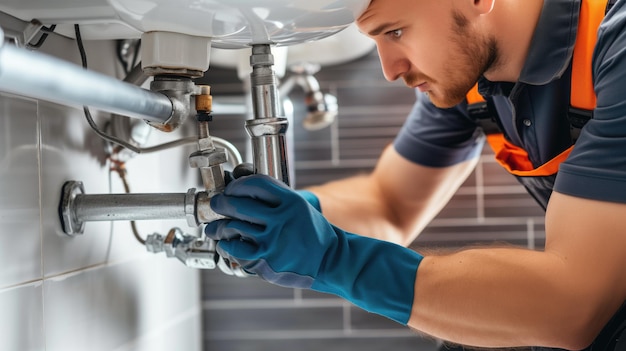
Temperatures below -3°C in London can freeze exposed pipes overnight. This guide covers how to safely thaw a frozen pipe, which pipes are most at risk, and the cheap prevention steps every London homeowner and landlord should take.
Frozen Pipes in London — Risk Higher Than You Think
London averages 5-10 nights per year below freezing, with -3°C to -6°C common in January and February. While less severe than northern England, London's housing stock is particularly vulnerable because: most pipes run through unheated spaces (loft voids, underfloor voids, external walls), Victorian and Edwardian properties have minimal insulation, and condensate pipes on modern boilers are specifically designed to fail in these conditions.
Which Pipes Are Most at Risk
- Boiler condensate pipe: The most commonly frozen pipe in London in any given winter. The condensate pipe runs outside through an external wall to drain away acidic condensate water. It is thin (typically 21-28mm) and exposed to outdoor temperatures. When it freezes, the boiler locks out (EA 227 on Worcester Bosch, F.28/F.29 on Vaillant) and stops working entirely.
- Pipes in the loft: Cold water storage cisterns and their associated pipework in uninsulated loft spaces are extremely vulnerable. If the loft hatch is poorly sealed, the loft can reach -5°C or lower on cold London nights.
- Pipes in external walls: Victorian properties often have pipes running inside external brick walls — very little thermal protection and direct cold bridge to outside temperatures.
- Pipes under ground-floor suspended timber floors: Draughty underfloor voids in terraced houses can become extremely cold. Cold water supply pipes running under the floor to the kitchen are a common freeze point.
How to Thaw a Frozen Condensate Pipe (Boiler Locked Out)
This is the fix for 80% of winter boiler lockouts in London:
- Locate the condensate pipe — it exits the boiler through the wall low down, usually a 21-28mm white or grey plastic pipe
- Trace it to where it runs outside. The freeze point is usually where it exits the building or at the lowest external bend
- Pour warm (NOT boiling) water over the frozen section, working from the thawed end toward the frozen section
- Continue until the pipe is clear — you may hear gurgling as water starts to flow
- Reset the boiler (hold the reset button 3-5 seconds)
- The boiler should fire and run normally within a few minutes
Do not use boiling water — thermal shock can crack plastic pipes. Warm tap water or a hot water bottle works well.
How to Thaw a Frozen Water Pipe
If a water pipe elsewhere in the property has frozen (cold tap not running, toilet cistern not refilling):
- Turn off the main stopcock immediately (usually under the kitchen sink or where the supply enters the property)
- Open the affected tap to relieve pressure as the pipe thaws
- Apply gentle heat using a hairdryer on a low setting, starting at the tap end and working back toward the cold section — never use a naked flame
- Once thawed, check all joints and connections carefully for signs of splitting before turning water back on
If you cannot locate or access the frozen pipe, call a plumber. Do not attempt to force water through or apply high heat.
After Thawing — Check for Bursts
A pipe that froze has been under extreme pressure. Once thawed, the weakest point may release — typically at a joint or at a corrosion point. Before fully restoring water pressure:
- Walk through all areas where pipes run and look for drips or wet patches
- Check under floors, in the loft, and behind appliances
- Let water run for 30-60 seconds before declaring the pipe intact
Preventing Frozen Pipes in London Rental Properties
For landlords with properties left vacant between tenancies during winter:
- Set the heating to maintain a minimum 7°C — even just 1-2 hours of heating per day prevents pipe freezing at UK winter temperatures
- Insulate the condensate pipe with lagging foam from any DIY store (£5-10 for a 2-metre section — one of the best value maintenance investments available)
- Lag any visible pipes in the loft and under ground-floor suspended floors
- Leave loft hatch slightly ajar on cold nights to allow some warm air circulation
- Know where the main stopcock is and ensure it turns easily — in a burst pipe emergency, the first 2 minutes of water damage depend entirely on how quickly you can turn off the supply
Frequently asked questions
What do I do if my boiler stops working in cold weather?
Check for a frozen condensate pipe first — this is the most common cause of boiler lockouts in London winters. The condensate pipe exits the building through an external wall low down. Pour warm water over any frozen sections until it thaws, then reset the boiler. If the boiler still does not fire, call a Gas Safe engineer.
How do I prevent frozen pipes in a London rental property?
Set heating to maintain minimum 7°C during cold periods even if the property is vacant. Insulate the condensate pipe with foam lagging (£5-10). Lag pipes in the loft and under suspended floors. Ensure the stopcock is accessible and turns freely.
Can a frozen pipe burst?
Yes — as water freezes it expands and can split the pipe or its joints. The burst often does not appear until the pipe thaws and pressure restores. After thawing any pipe, inspect all accessible sections for splits or drips before turning water back on at full pressure.
Who is responsible for frozen pipes in a rental property?
The landlord is responsible for maintaining the property's heating and water systems. If pipes freeze because the property had no working heating or inadequate insulation, that is the landlord's responsibility. If pipes freeze because a tenant turned the heating off during their absence, liability is less clear — landlord tenancy agreements often require tenants to maintain minimum heating in cold weather.