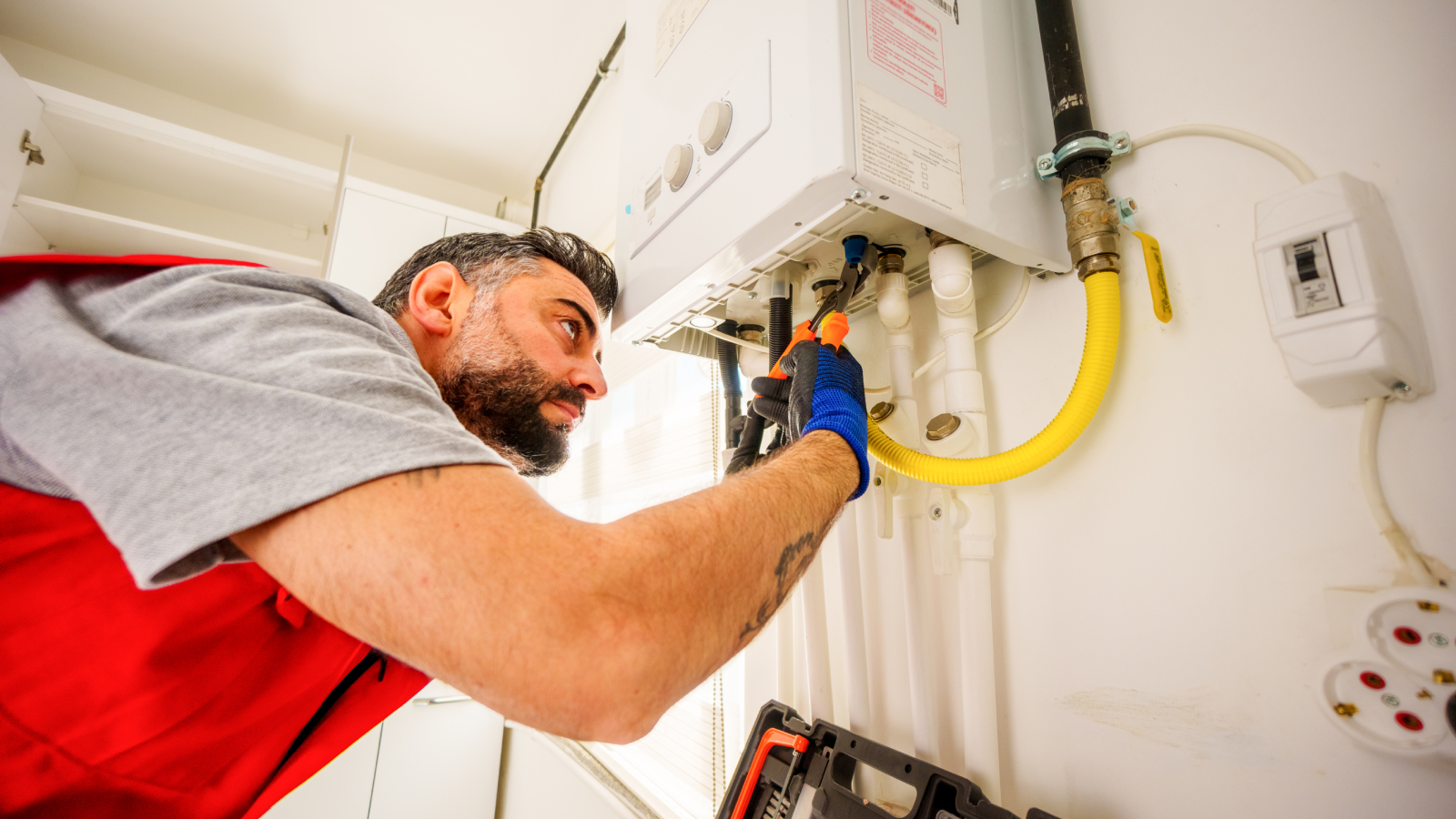
A frozen condensate pipe is one of the most common reasons a boiler stops working during cold weather in London. This guide explains how to identify the fault, safely thaw the pipe yourself, and take practical steps to prevent it happening again — particularly relevant for older properties across the capital.
What Is a Condensate Pipe and Why Does It Freeze?
Modern condensing boilers — now the standard in UK homes following building regulation changes in 2005 — produce a small amount of acidic condensate water as a byproduct of combustion. This liquid drains away through a plastic condensate pipe, typically routed outside the property or into an internal waste pipe.
During cold snaps, the section of pipe that runs outdoors is vulnerable to freezing. When it does, condensate backs up inside the boiler and triggers a lockout fault. The boiler stops working and displays an error code — commonly F1, EA, or a similar fault depending on the manufacturer. This is the single most frequent cause of boiler breakdowns reported across London boroughs during January and February.
In older London properties — Victorian and Edwardian terraces are particularly common in boroughs such as Hackney, Islington, Lewisham and Wandsworth — condensate pipes are often routed through uninsulated external walls or down exposed rear walls, making them especially susceptible.
How to Identify a Frozen Condensate Pipe
Before calling an engineer, check for these indicators:
- The boiler has stopped working during or after a period of sub-zero temperatures.
- You can hear a gurgling sound from the boiler, indicating blocked condensate drainage.
- The boiler displays a fault code — consult your manufacturer's manual for the specific lockout error related to condensate.
- The condensate pipe (usually a white or grey plastic pipe, 21.5 mm or 32 mm diameter) exits the property and shows visible ice or frost along its length.
If the fault code matches and temperatures have been at or below freezing, a frozen condensate pipe is the most probable cause. You can resolve this yourself without needing a Gas Safe registered engineer — though the boiler reset that follows must be done correctly.
How to Safely Thaw a Frozen Condensate Pipe
This is a straightforward DIY fix provided you follow the correct method. Do not use a naked flame, heat gun, or boiling water, as these can crack or deform the plastic pipe and cause further damage.
- Locate the frozen section. Trace the condensate pipe from where it exits the boiler to where it discharges outside. The blockage is almost always at the most exposed point — typically the lowest section or the discharge point.
- Apply warm water. Pour warm (not boiling) water along the frozen section of pipe. A watering can or jug works well. Repeat as needed until you hear the condensate draining freely.
- Use a hot water bottle. Holding a hot water bottle against the frozen section is an effective and gentle method for stubborn blockages.
- Reset the boiler. Once the pipe is clear, reset the boiler following the manufacturer's instructions — usually by pressing the reset button for three seconds. The boiler should fire and return to normal operation within a few minutes.
If the boiler fails to restart after two reset attempts, or if the fault code changes, contact a Gas Safe registered engineer. Repeated attempts to force-start a faulty boiler can cause further component damage.
Preventing the Problem in Future
A frozen condensate pipe is almost entirely preventable. The following measures are worth implementing before cold weather arrives:
- Insulate the external pipe run. Fit foam lagging (minimum 25 mm wall thickness) along any section of condensate pipe exposed to outside temperatures. Pre-slit foam pipe lagging is inexpensive and available from most plumbers' merchants.
- Reroute internal discharge. Where possible, a Gas Safe engineer can reroute the condensate pipe to discharge into an internal soil stack or waste pipe, eliminating external exposure entirely. This is the most reliable long-term solution.
- Increase pipe diameter. Current guidance from the Heating and Hotwater Industry Council (HHIC) recommends a minimum 32 mm pipe diameter for external runs, rather than the 21.5 mm pipe fitted in older installations. A larger bore is less prone to blockage.
- Keep the property heated. Maintaining a minimum background temperature of 14–16°C in unoccupied properties during winter prevents pipes from reaching freezing point — relevant advice for landlords managing empty rental stock.
Responsibilities for Landlords
Landlords in London have a legal obligation under the Landlord and Tenant Act 1985 to maintain the property's heating system in working order. If a condensate pipe freezes and the tenant is left without heat, this constitutes a failure of that obligation. Preventive lagging is low-cost and directly reduces the likelihood of emergency call-outs and associated repair costs.
Annual boiler servicing — which landlords are required to carry out under Gas Safety (Installation and Use) Regulations 1998 — gives a Gas Safe engineer the opportunity to identify poorly routed or uninsulated condensate pipes and address them before winter. Ensure your Gas Safe engineer checks the condensate run as part of the annual service, particularly if the boiler is installed in a rear extension or has the pipe routed across a north-facing wall.
When to Call an Engineer
Contact a Gas Safe registered engineer if: the boiler will not restart after the condensate has been cleared; you are unable to locate or safely access the frozen section; the condensate pipe is cracked or damaged; or you suspect the fault is unrelated to the condensate pipe. Never attempt to work on the gas components of the boiler yourself — all gas work must be carried out by a Gas Safe registered engineer, as required by law.
Frequently asked questions
What error code does a frozen condensate pipe cause on a boiler?
The fault code varies by manufacturer. Common codes include EA on Ideal boilers, F1 on Vaillant, and E133 on Baxi. Check your boiler's manual against the displayed code — most manufacturers label the condensate lockout fault specifically in their troubleshooting section.
Can I thaw a frozen condensate pipe myself, or do I need a Gas Safe engineer?
You can thaw the pipe yourself using warm water or a hot water bottle — no gas work is involved. However, once the pipe is clear, if the boiler fails to restart after two reset attempts, you should call a Gas Safe registered engineer rather than continuing to attempt resets.
How long does it take for a condensate pipe to freeze?
An uninsulated external condensate pipe can freeze within a few hours once air temperatures drop below -1°C, particularly if the pipe is narrow (21.5 mm bore) or exposed to wind chill. Pipes on north-facing walls or running across unheated outbuildings are at greatest risk.
Is a landlord responsible for fixing a frozen condensate pipe in a rental property?
Yes. Under the Landlord and Tenant Act 1985, landlords are responsible for keeping the heating system in working order. A frozen condensate pipe that renders the boiler inoperable must be remedied promptly. Preventive insulation of the pipe is also the landlord's responsibility, not the tenant's.