Home EV Charger Installation in London: Costs, Grants and What the Work Involves
Installing a home EV charger in London requires an OZEV-authorised installer and may qualify for the OZEV grant. This guide covers the types of charger, what installation involves, and the specific challenges of London flats and terraces.
Home EV Charger Installation in London
Electric vehicle ownership in London has grown rapidly, and the majority of EV owners do the bulk of their charging at home overnight. A home EV charger — more accurately called an Electric Vehicle Supply Equipment (EVSE) unit — provides a faster and more convenient charging solution than using a standard 3-pin socket. Understanding the types of charger available, what installation involves, and how the OZEV grant works is essential for any London homeowner considering the switch to electric.
Charger Types: 3kW, 7kW and 22kW
Standard domestic EV chargers in the UK operate at 7kW (single phase, 32 amp). A 7kW charger adds approximately 30 to 40 miles of range per hour of charging for most electric vehicles, which means an overnight charge of eight hours adds 240 to 320 miles — more than sufficient for most daily use cases. A 3kW trickle charger using a standard socket adds only 10 to 15 miles per hour, which is rarely adequate as a primary charging solution for a full EV (though it is acceptable for plug-in hybrids with small battery packs).
22kW three-phase chargers are available for properties with a three-phase electrical supply, but the vast majority of London homes have single-phase supply, making 7kW the practical maximum for domestic installation. Three-phase supplies are more common in commercial properties and some larger detached houses.
The OZEV Grant: OZEV Funding in 2025
The Office for Zero Emission Vehicles (OZEV) administers the EV Chargepoint Grant, which provides a 75 percent discount on the cost of purchase and installation of a home EV charger, up to a maximum grant of £350 per installation. The grant is available to homeowners who own or have ordered a qualifying electric or plug-in hybrid vehicle, and the charger must be installed by an OZEV-authorised installer. Only smart chargers — those capable of remote monitoring, scheduling and load management — qualify for the grant. A standard 7kW smart charger from a reputable brand such as Ohme, Easee, Zappi or Pod Point qualifies.
The grant cannot be claimed by landlords installing chargers for use by tenants, with one exception: the separate EV Chargepoint Grant for landlords provides up to £350 per installation for a maximum of 200 chargepoints across a property portfolio. This grant is managed by the same OZEV scheme and applications are submitted by the OZEV-authorised installer on the customer behalf.
What Installation Involves
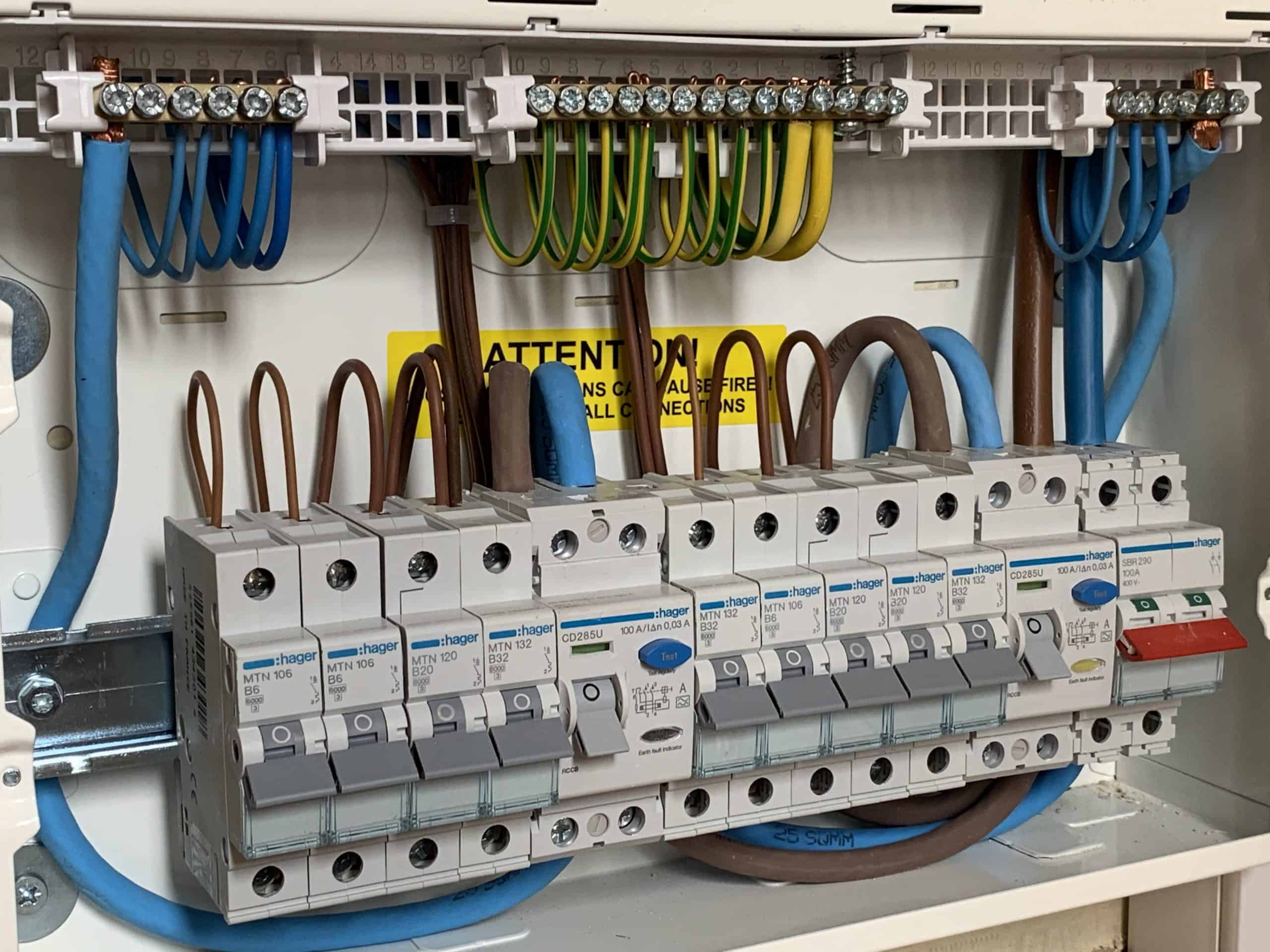
A standard home EV charger installation in London involves: mounting the charger unit on an external wall adjacent to the parking space; running a dedicated circuit from the consumer unit to the charger (typically 6mm twin and earth, protected by a 32 amp RCBO); installing the charger and commissioning it on the app. In a typical London house with a garage or off-street parking adjacent to the property, the total installation time is three to five hours.
All EV charger installations are Part P notifiable electrical work. An OZEV-authorised installer is typically also NICEIC or NAPIT registered, which allows them to self-certify the electrical work and issue a Minor Works or Electrical Installation Certificate. Building control notification is handled by the installer and no additional local authority visit is required.
London Flat Specific Challenges
Approximately 60 percent of London residents live in flats, and flat residents face specific barriers to home EV charging. A flat with no dedicated parking space has no viable location for a home charger. For flats with underground or external dedicated parking, a charger installation requires freeholder or management company consent and must typically be served from the flat meter rather than a communal supply. Running a cable from an upper-floor flat to a basement car park can involve significant cable runs and conduit work, pushing installation costs above the standard £600 to £800 range to £1,000 to £1,800 or more depending on the route.
Where dedicated parking is genuinely impossible, the EV charging infrastructure at London public rapid chargers — now increasingly common in TfL car parks, supermarket sites and on-street locations — provides a practical alternative for residents without home charging options.
Installation Cost Without the Grant
A standard 7kW smart charger installation in London without the OZEV grant costs £800 to £1,200 including the charger unit, cable, consumer unit RCBO and commissioning. With the OZEV grant of up to £350, the net cost to the homeowner is typically £450 to £850 depending on the charger model selected and the cable run length.