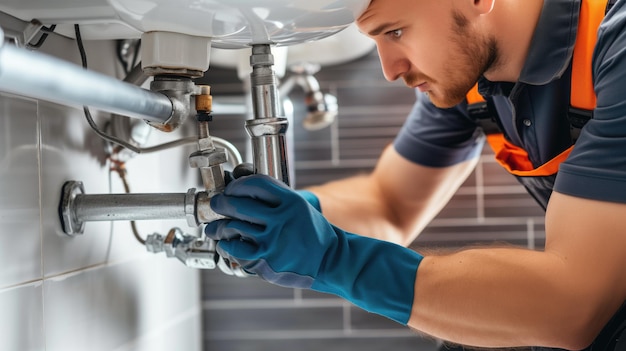
A transparent pricing guide to the most common plumbing repair jobs in London, from dripping taps and running toilets to leaking pipes and radiator valves.
Plumbing Repair Call-Out Rates in London
The first cost you encounter when booking a plumbing repair in London is the call-out or attendance fee. Most qualified London plumbers charge between £60 and £80 for a standard daytime call-out, which covers travel to the property and the first assessment of the fault. Labour is then charged on top at £50 to £80 per hour. Emergency or out-of-hours attendance — for burst pipes, major leaks, or plumbing failures outside working hours — carries a premium rate of 50 to 75 percent above the standard daytime rate. The total cost of a small repair is therefore typically £100 to £180 for a job completed within the first hour, and £150 to £250 for a two-hour repair including parts. Getting a clear breakdown — call-out fee, hourly rate, and estimated duration — before the plumber attends is the most effective way to avoid surprise invoices.
Dripping Tap Repair: £60 to £100
A dripping tap is one of the most common plumbing repair requests in London. The fix depends entirely on the tap type. Traditional pillar taps use a rubber washer pressed against a brass seat to seal the water flow; when the washer deteriorates, the tap drips. Replacement washers cost less than £1, and a competent plumber can replace a washer on a standard pillar tap in 15 to 20 minutes. Ceramic disc taps use a pair of ceramic discs that slide against each other; when a disc chips or scales up, the tap drips. Ceramic cartridge replacement costs £10 to £30 for the part, and the job takes 20 to 30 minutes. The total cost for either type is typically £60 to £100 in London, including the call-out. London hard water — 300 to 350 mg/L hardness — accelerates both rubber washer deterioration and ceramic disc scaling, so dripping taps are more common in London than in softer water areas. A dripping tap that drips once per second wastes approximately 10,000 litres of water per year, so prompt repair is worthwhile both financially and environmentally.
Leaking Pipe Repair: £80 to £250
Leaking pipes vary enormously in complexity and therefore cost. A compression joint that has loosened over time can often be tightened with a spanner in five minutes — a call-out plus a short repair time puts this at £60 to £80. Replacing a failed olive within a compression fitting takes 20 to 30 minutes and costs £80 to £120 including parts. A push-fit joint that has lost its grip on the pipe requires cutting out the fitting and replacing it — 30 minutes of work at £80 to £120. A soldered copper joint with a pinhole leak — common in older London properties — requires draining the section of pipework, cutting out the damaged section, fitting a new piece of pipe, and making two soldered joints. This takes one to two hours and costs £120 to £200. If the leak has required lifting floorboards to access the pipe, add £50 to £100 for the additional access time. The single most important action before the plumber arrives is to locate and close the nearest isolation valve, or the main stopcock if no isolation valve is accessible. This prevents further water damage while you wait.
Running Toilet Repair: £80 to £150
A toilet that continues to run after flushing is wasting 200 to 400 litres of water per day, which adds approximately £200 to an annual metered water bill. The two most common causes are a failed flush mechanism (the siphon diaphragm washer in older toilets, or the flapper valve in modern syphonless cisterns) and a faulty fill valve (ballcock or float valve) that allows the cistern to overfill until water runs into the bowl via the overflow. A flush mechanism replacement costs £15 to £30 for parts, and the job takes 30 to 45 minutes — total cost £80 to £130. A fill valve replacement similarly costs £15 to £40 for parts, with 20 to 40 minutes of labour — total cost £80 to £140. In some cases both require replacement simultaneously, bringing the total to £120 to £150. London hard water causes scale to deposit on fill valve seats and siphon washers to degrade faster than in other regions, making running toilets more frequent here.
Radiator Valve Replacement: £80 to £150
Radiator valves fail in two ways: they seize completely (preventing a radiator from heating, or preventing it from being turned off), or they develop a weep leak at the spindle or tail connection. A thermostatic radiator valve (TRV) replacement costs £15 to £35 for the valve body plus 30 to 45 minutes of labour — typically £80 to £130 total. A manual lockshield valve replacement is similar in cost and time. Both jobs require draining down the individual radiator, which involves closing both valves, disconnecting the radiator, draining it, and refilling with inhibitor after fitting the new valve. This process typically takes 45 to 60 minutes in total. Replacing a valve on a gravity-fed system sometimes requires draining the entire circuit; on a sealed pressurised system, an individual radiator can usually be isolated. Properties in London built before 1985 often still have original radiator valves and should consider replacing them during any heating system servicing.
Stopcock Replacement: £80 to £150
A main stopcock that has seized through years of disuse is a common discovery during emergency callouts — the homeowner reaches for the stopcock to isolate a leak and finds it will not turn. Preventive replacement of a seized stopcock costs £80 to £150 and takes 30 to 60 minutes. However, replacing the main stopcock requires turning off the water at the external boundary stop valve (usually in the pavement) — in many London properties this requires a square key and can involve the water company if the valve is inaccessible. Replacement of an internal isolation valve, such as those on the supply to a toilet or washing machine, is simpler and typically costs £60 to £100.
Washing Machine and Dishwasher Connections: £60 to £120
Flexible hose connections on washing machines and dishwashers are a common source of slow leaks that go undetected for months behind the appliance. Replacing the inlet hose or the waste connection typically takes 20 to 30 minutes and costs £60 to £90 including parts. Fitting a new isolation valve on the supply to an appliance adds £20 to £30 to the job. If the leak has been running long enough to cause water damage to the cabinet beneath the appliance or the floor, the repair cost of the plumbing element remains modest but subsequent drying and remediation work may be significant. Checking behind washing machines and dishwashers once a year is good preventive practice.
When to Repair vs Replace
For most plumbing fittings — taps, valves, toilet internals — repair is the economical choice unless the fitting is very old or the fault has recurred multiple times. For pipework, the calculus is different: if a pipe has developed one pinhole leak from internal corrosion or scale pitting, adjacent sections of the same pipe are likely to develop similar faults. A plumber who patches a single leak on an obviously corroded old pipe is doing you a disservice if they do not advise on the condition of the surrounding pipework. In properties with Victorian or Edwardian lead supply pipework, a single leak is a good trigger to discuss phased replacement of the lead sections, both for safety and for long-term reliability.