Boiling water taps have become increasingly common in London kitchen renovations. This guide explains how they work, what installation involves, running costs, and whether the investment makes sense for your London home.
What Is a Boiling Water Tap
A boiling water tap (also called a 3-in-1 tap, 4-in-1 tap, or instant hot water tap) delivers instant boiling water from the tap in addition to normal hot and cold water. The boiling water is stored in a small insulated tank unit installed under the sink, which keeps the water at 100 degrees Celsius under pressure. A safety mechanism on the tap handle — typically a push-and-turn action or a child safety lock — prevents accidental activation of the boiling function. The major brands in the UK market are Quooker, Zip HydroTap, and InSinkErator.
A 3-in-1 tap provides cold, standard hot, and boiling water. A 4-in-1 tap adds filtered cold water. Some models also dispense chilled sparkling water, making them 5-in-1 systems. These taps are installed as the primary kitchen mixer tap, replacing the existing tap entirely — they do not require a second tap or a separate dispenser unit on the worktop.
What Installation Involves
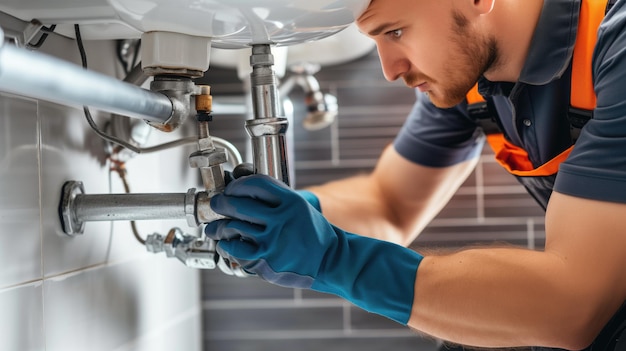
Installing a boiling water tap in a London kitchen requires three things: a cold water supply connection to the under-sink tank unit, a 13A electrical socket inside the under-sink cupboard, and the standard hot and cold supply connections to the tap body. The tank unit connects to the incoming cold supply. In most London kitchens, the cold supply is already present under the sink. The electrical socket is the element most often missing in older kitchens — if no socket exists inside the base unit, an electrician must run a spur from the ring main. This is typically included in a full supply and installation quote.
The tap body passes through the existing tap hole in the worktop or sink — standard 35mm hole for most monobloc positions. Where replacing separate hot and cold pillar taps, the second tap hole is blanked with a cover plate. Installation of the tap and tank unit typically takes 2 to 4 hours, including connecting the cold supply, fitting the tank, connecting the electrical supply, and commissioning. Filter cartridge replacement is recommended every 12 months.
Running Costs and Energy Use
Boiling water tap manufacturers publish energy consumption figures based on the tank thermostat maintaining the water at 100 degrees Celsius. A Quooker tank uses approximately 10 watts in standby mode to maintain temperature — equivalent to approximately £14 per year at current electricity rates. This compares favourably with a kettle boiled four to five times per day, which uses approximately 800 watt-hours per day — or approximately £117 per year at the same electricity rate. The boiling water tap uses less energy overall if the household boils a kettle frequently and the tap is used consistently rather than left idle for long periods.
Tanks can be switched to a sleep mode (typically 70 degrees Celsius) overnight or during holiday periods, reducing energy consumption further. Some models include app-based controls that set schedules automatically. The energy saving argument for boiling water taps is strongest in households that boil a kettle multiple times per day — offices, households with children who drink hot drinks, and households that cook frequently with boiling water.
London Hard Water and Filtration
London hard water is the primary maintenance concern for boiling water taps. The in-line filter cartridge in the supply line to the tank unit removes limescale-forming calcium and magnesium ions before the water enters the tank. Without filtration, the tank interior would scale up rapidly at London hard water hardness levels, reducing the life of the heating element and eventually blocking the filter element. Annual cartridge replacement is essential in London — in very hard water areas (hardness above 350 milligrams per litre), six-monthly replacement may be needed. We include filter cartridge replacement in our annual service visits for boiling water tap installations across London.
Is a Boiling Water Tap Worth It for a London Home
The financial case depends on usage. A household that boils a kettle 4 to 6 times per day will see energy savings that, over 10 to 15 years, offset a portion of the installation cost. The convenience case is stronger — instant boiling water for tea, coffee, pasta, and blanching vegetables is a genuine quality-of-life improvement in a busy London household. For a kitchen renovation where the tap is being replaced anyway, the additional cost of upgrading to a boiling water tap is modest relative to the total renovation spend. Contact Prestige Engineers for boiling water tap supply, installation, and servicing across all London boroughs.