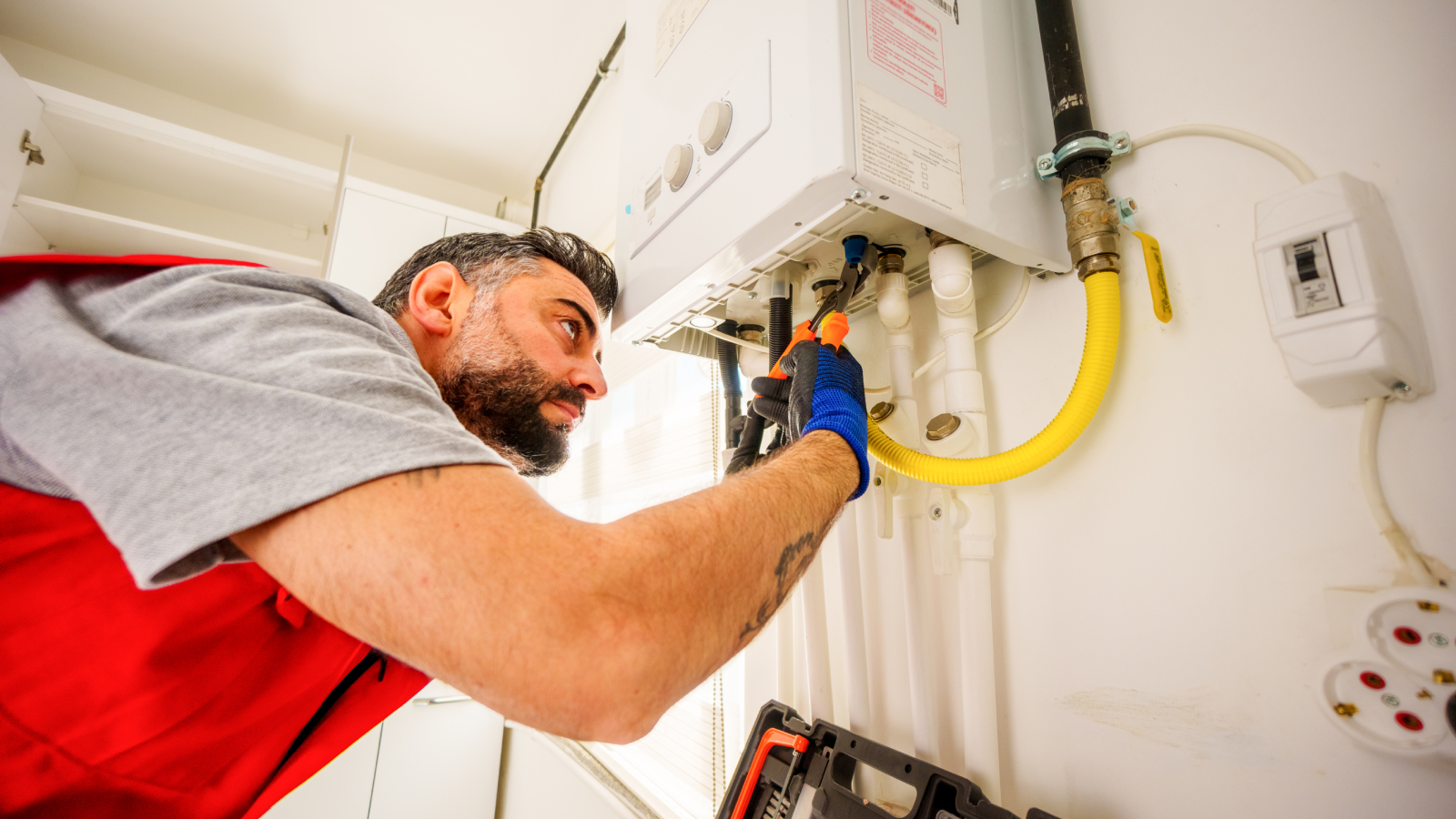
A new boiler installation is a significant event in any home — and being prepared makes a real difference to how smoothly the day goes. Whether you are having a like-for-like replacement or a more complex installation, knowing what the engineer will do and in what order helps you plan the day and ask the right questions before they leave.
Preparation: What to Do Before the Engineer Arrives
A small amount of preparation before installation day reduces delays and ensures the engineer can work efficiently. The following checklist covers the practical steps that make the most difference:
Access and Clearance
- Clear access to the boiler location. Remove everything stored immediately around or below the current boiler — boxes, cleaning products, coat hooks loaded with jackets. The engineer needs at least a metre of clear working space around the boiler.
- Clear access to the hot water cylinder and airing cupboard if applicable. On system boiler or back boiler conversions, the cylinder and airing cupboard are key work areas throughout the day.
- Clear access to the loft if the flue exits through the roof or if header tanks are being disconnected. A clear path to the loft hatch saves significant time.
- Protect flooring on the engineer's route. Lay dust sheets or old towels from the front door to the boiler location. Engineers carry tools, old boilers, and pipework through the property — dust and marks are unavoidable without floor protection. Most engineers bring their own dust sheets, but providing additional covering on carpeted areas is worthwhile.
Settings and Documentation
- Note your current thermostat settings and programmer schedule. When the new boiler is commissioned, you will need to reprogram heating and hot water times. Having your existing schedule written down saves the frustration of trying to recall it later.
- Locate your current boiler documentation. The existing Gas Safety Certificate, boiler manual, and any warranty documents should be available — particularly if the engineer needs to reference the existing system configuration or if there are questions about previous work done.
- Confirm where the gas meter and gas isolation valve are located. The engineer will need to confirm the gas supply and isolate it — knowing where the meter is saves time and prevents the engineer having to search.
- Ensure the new boiler's warranty documentation is ready to locate. Many warranties require registration within 30–60 days of installation. The serial number will be on the boiler itself once installed, but noting the process and timeline on installation day is useful.
Household Planning
There will be no hot water and no central heating for the duration of the installation — typically six to eight hours for a standard combi swap, potentially a full day or more for a more complex installation. Plan accordingly:
- Shower or bathe the morning before the installation if it is scheduled for early morning
- Arrange alternative heating in cold weather if the installation will extend into the evening
- Keep children and pets away from the work area throughout the day
What the Engineer Does: Step by Step
Understanding the sequence of work helps you track progress through the day and understand why a particular stage is taking longer than expected.
1. Isolate Gas and Water
The first task is to isolate the gas supply to the existing boiler at the gas isolation valve (typically adjacent to the boiler or at the gas meter) and to isolate the water supply. This makes the system safe to work on. The engineer will also drain down the heating system at this stage — a process that involves opening drain valves on the pipework and connecting a hose to drain the system water to a suitable point. Depending on the system size, draining can take twenty to forty minutes.
2. Remove the Old Boiler
With gas and water isolated and the system drained, the old boiler is disconnected from its gas, water, and electrical connections and physically removed. Depending on the age and type of the old boiler, this involves disconnecting flue sections, unbolting wall brackets, and removing pipework. Old boilers are heavy — up to 50–80kg for some cast-iron models or back boilers. The engineer will have assistance or appropriate lifting equipment for heavy units. Removal and any associated pipework disconnection typically takes one to two hours.
3. Prepare the Installation Position
For a like-for-like replacement on the same wall in the same position, this stage is brief — confirming the wall bracket position, making any necessary pipe adjustments. For a repositioned boiler or a conversion (back boiler to combi, for example), this stage involves routing new gas and water pipework to the new position and can take two to four hours depending on complexity.
4. Fit the New Boiler
The new boiler is wall-hung on its bracket, and the gas, flow, return, and condensate connections are made. Modern combi boilers have standardised connection positions, but adapting the existing pipework to match typically requires some short pipe runs and bends. This stage also includes fitting the condensate discharge pipe — modern condensing boilers produce acidic condensate that must drain to a suitable waste point — which may require a new connection to the nearest drain or an internal syphon.
5. Connect and Fit the Flue
The flue (the sealed balanced flue that exhausts combustion gases and draws in fresh air) is fitted at this stage. For a standard horizontal flue through the same wall as the existing flue, this is relatively quick. For a new flue route or a longer run, it requires more time. The engineer will seal the flue wall penetration from inside and outside, and fit the external flue terminal.
6. Fill and Pressurise the System
With the boiler and pipework connected, the system is refilled with water. The engineer adds corrosion inhibitor to the system at this stage (or confirms its presence if the system was pre-treated). The system is filled to the correct pressure (typically 1.0–1.5 bar for a combi system) and all radiators are checked for air locks and bled if needed.
7. Commission and Test
Commissioning is the critical final stage — the sequence of checks that confirms the installation is safe and performing correctly. The engineer will:
- Check gas supply pressure at the boiler (inlet pressure and working pressure)
- Ignite the boiler and confirm clean ignition and stable flame
- Check gas rate (the volume of gas the boiler is consuming) against the manufacturer's specification
- Carry out a flue gas analysis — measuring the combustion products at the flue to confirm efficient combustion and the absence of carbon monoxide in the flue gas
- Test the hot water function and confirm correct flow temperature
- Test the heating circuit and confirm all radiators heat
- Programme the thermostat and controls
- Set the boiler's domestic hot water temperature to a safe level (typically 60°C to prevent Legionella risk)
Timing: How Long Does Installation Take?
- Standard like-for-like combi boiler replacement (same position, existing pipework usable): Four to six hours for an experienced engineer.
- Combi replacement with power flush: Six to eight hours — the power flush adds two to three hours to the process.
- Back boiler or system boiler conversion to combi: Six to ten hours, sometimes requiring two engineers and potentially a second day if pipework alterations are extensive.
- Complex installation (boiler repositioned, new flue route, major pipework changes): Full day or more — confirm the expected duration with your engineer before booking.
What You Should Receive at the End of the Day
Before the engineer leaves, they should provide you with the following documentation:
- Gas Safety Certificate (Building Regulations Compliance Certificate): Confirming the installation meets Gas Safety Regulations. This must be provided for any gas installation work — it is a legal requirement.
- Boiler commissioning sheet: A completed form showing the engineer's Gas Safe registration number, the installation date, the boiler model and serial number, the gas pressure readings, the flue gas analysis results, and the engineer's signature. This is part of the boiler's warranty documentation.
- Boiler manufacturer's installation manual and user guide.
- Warranty registration details: Confirmation of how and when to register the warranty with the manufacturer, or confirmation that the engineer has done it on your behalf.
What to Check Before the Engineer Leaves
Before signing off the job, confirm the following:
- All radiators are heating — walk through the property and confirm each one is getting warm
- Hot water is flowing correctly from kitchen and bathroom taps
- The boiler pressure gauge reads correctly (typically 1.0–1.5 bar cold)
- The thermostat and programmer are set to your schedule
- You understand how to repressurise the boiler if pressure drops (the engineer should demonstrate this)
- You know where the boiler's emergency isolation valve is and how to use it
- All documentation has been handed over
Frequently asked questions
How long does a boiler installation take in London?
A standard like-for-like combi boiler replacement in the same position takes four to six hours with an experienced engineer. Adding a power flush extends this to six to eight hours. A back boiler or system boiler conversion to combi typically takes six to ten hours and may require a second day if pipework work is extensive. Confirm the expected duration with your engineer when booking, particularly if you need to arrange alternative heating for a winter installation.
What documents should a gas engineer leave after fitting a new boiler?
After a new boiler installation, your engineer must provide a Gas Safety Certificate (Building Regulations Compliance Certificate) — this is a legal requirement for any notifiable gas installation work. They should also provide a completed boiler commissioning sheet showing gas pressure readings and flue gas analysis results, the boiler manufacturer's installation manual and user guide, and warranty registration details. Without these documents, the manufacturer's warranty may not be valid and you have no evidence the installation was carried out to the required standard.
Will I have hot water and heating during a boiler installation?
No — the gas and water supply to the boiler is isolated at the start of the installation and the system is drained down. You will have no central heating or hot water for the duration of the installation, which is typically four to eight hours for a standard replacement. Plan accordingly: shower or bathe before the installation starts, arrange alternative heating in cold weather if the job extends into the evening, and have kettle water available for the day.
What should I do to prepare for a new boiler installation?
Clear at least a metre of working space around the boiler and lay dust sheets or floor coverings from the front door to the work area. Note down your existing heating and hot water programme schedule so you can reprogramme the new controls. Locate existing boiler documentation, particularly the Gas Safety Certificate. Confirm where your gas meter and isolation valve are. For system boiler conversions, clear access to the hot water cylinder and airing cupboard as well. These preparations help the engineer work efficiently and reduce the chance of the job running beyond its planned duration.