Boiler Error Codes Explained: Vaillant, Worcester Bosch, and Ideal Common Fault Codes
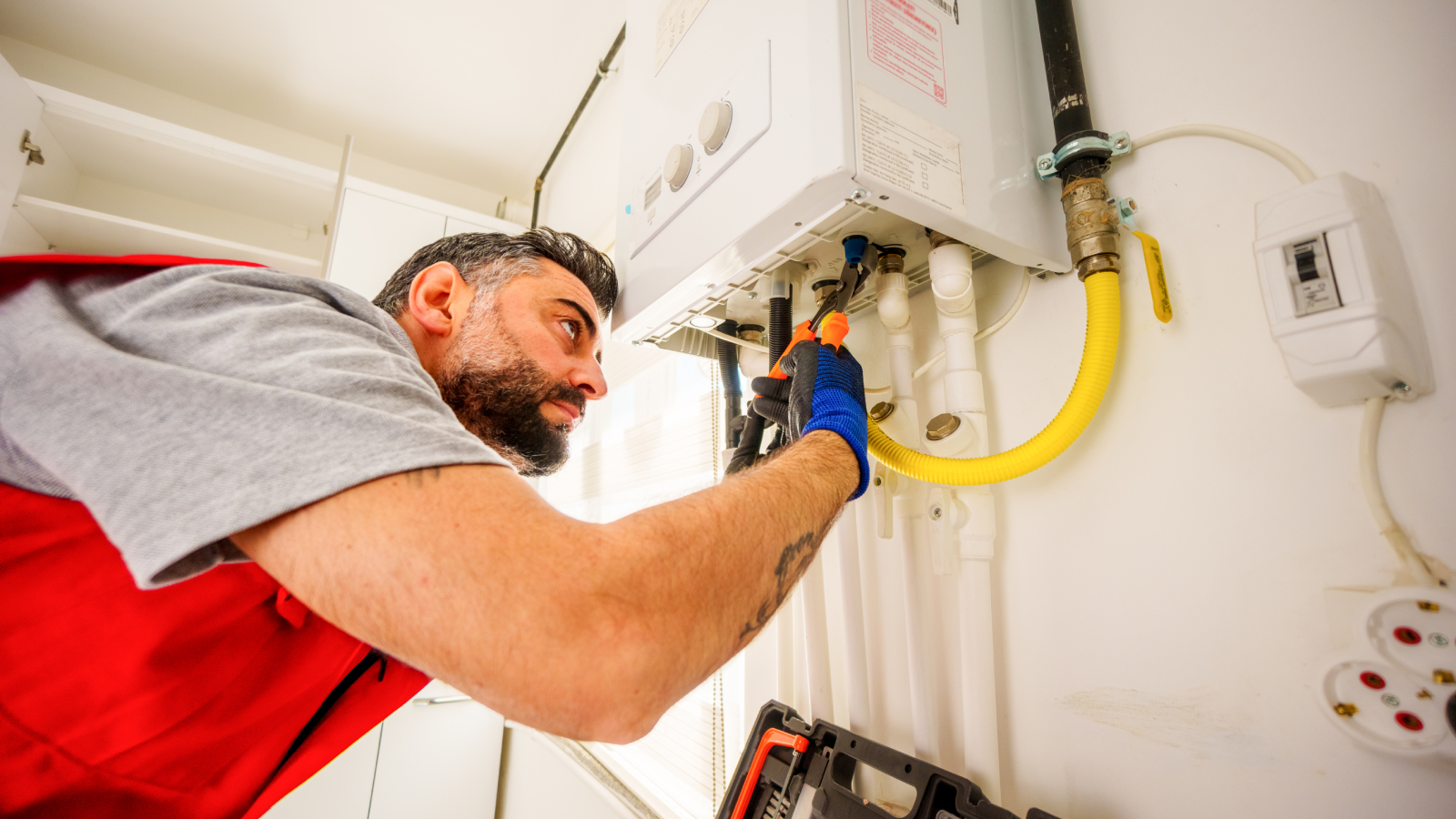
A practical guide to the most common boiler error codes from Vaillant, Worcester Bosch, and Ideal — what each code means, what causes it, and whether it requires a Gas Safe engineer.
How to Read a Boiler Error Code
When a modern boiler detects a fault, it locks out (stops firing) and displays a fault code on its display panel. The code format varies by manufacturer — Vaillant uses an F prefix followed by a number (F22, F75), Worcester Bosch uses a combination of letters and numbers (EA, 227), and Ideal uses a numeric code (F1, L1, F2). The code does not always pinpoint the exact failed component — it identifies the symptom detected by the boiler control board, which a Gas Safe engineer then uses as the starting point for diagnosis. Some codes can be reset by the user; others indicate a fault that requires engineer attendance before the boiler will operate safely.
Common Vaillant Error Codes
F22 is one of the most common Vaillant fault codes and indicates that the boiler has detected low water pressure. The boiler requires a minimum system pressure — typically 1.0 to 1.5 bar — to operate. If the pressure gauge reads below 0.8 bar, the boiler will lock out. The fix is to repressurise the system via the filling loop (usually a silver or grey flexible hose with a valve at each end, located beneath the boiler). Open both valves slowly until the pressure gauge reads 1.5 bar, then close both valves. If the boiler loses pressure repeatedly, there is a leak in the system — a Gas Safe engineer should locate and repair it before further repressurisation.
F75 on a Vaillant boiler indicates that the pressure sensor has not detected a pressure change when the pump starts. This typically means either the pressure sensor itself has failed, the expansion vessel is waterlogged and has lost its air charge, or there is an issue with the pump. F75 is not a user-fixable fault — a Gas Safe engineer is required to diagnose and repair. It is one of the most common repair calls on Vaillant ecoTEC boilers and the pressure sensor or expansion vessel are the usual culprits.
F28 indicates an ignition fault — the boiler attempted to ignite but failed to detect a flame. This can be caused by a faulty ignition electrode, a failed gas valve, low gas pressure at the meter, or a spark generator fault. Before calling an engineer, check that the gas meter has not run out (for prepayment meters) and that the gas supply has not been interrupted. If the gas supply is confirmed, reset the boiler once and check if it fires. Repeated F28 faults require engineer attendance.
Common Worcester Bosch Error Codes
EA 227 on a Worcester Bosch boiler indicates a flame detection fault — the boiler could not establish or maintain a flame. Similar to Vaillant F28, causes include ignition electrode failure, gas valve issues, or flue gas recirculation (where exhaust gases re-enter the air intake, preventing ignition). Flue gas recirculation is common in boilers where the flue terminal has been installed too close to a wall corner or where a condensate plume is recirculating in still air conditions. EA 227 always requires engineer attendance.
Code 1012 on Worcester Bosch boilers (displayed as "1012" or shown alongside an "E" indicator on older models) indicates a low pressure fault — the same root cause as Vaillant F22. Repressurise the system to 1.5 bar using the filling loop. If the pressure was correct at the last service, investigate for leaks before repressurising.
Common Ideal Boiler Error Codes
F1 on an Ideal boiler typically indicates low gas pressure or a gas supply fault — no gas is reaching the boiler. Check that other gas appliances (cooker, gas fire) are working. If they are not, contact your gas network operator. If the cooker works but the boiler shows F1, the issue may be specific to the boiler gas valve or the gas supply to the boiler.
L1 on an Ideal boiler indicates a lockout due to a primary circuit fault — often low pressure, a pump fault, or a thermistor issue. Check system pressure first. If pressure is correct (1.0 to 1.5 bar on the gauge), reset the boiler. A persistent L1 lockout requires engineer diagnosis. On Ideal Logic boilers, L9 indicates a condensate blockage — the condensate pipe has frozen or is blocked, preventing the boiler from condensing safely. Thaw the condensate pipe with warm water and reset the boiler. To prevent recurrence, insulate the pipe thoroughly, particularly the external section.
Keep reading